
Trees
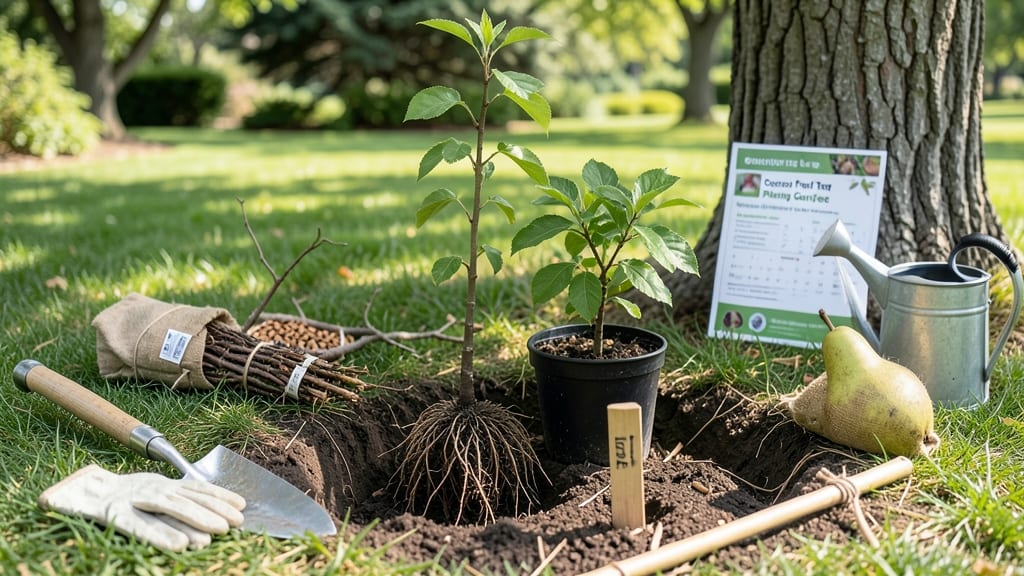
Planting fruit trees in Oregon between late winter and early spring 🍎 is your best shot at strong roots before summer heat arrives.
But here’s the catch: Oregon’s climate zones—from the Willamette Valley’s damp chill to the High Desert’s dry warmth—mean one wrong move can leave your tree struggling or worse, dead by frost. Get this timing right, and you’ll be picking apples, cherries, and peaches for years.
This guide breaks down the exact planting windows for your zone, whether you’re in coastal fog or inland heat, plus how to prep soil and avoid common mistakes that kill young trees.
You’ll learn when to dig in bare-root saplings (hint: before buds swell) and how container trees handle Oregon’s unpredictable springs, so your investment pays off with a harvest, not heartache.
Oregon’s best planting months for fruit trees by climate Zone
Oregon’s microclimates create unique challenges for fruit tree planting. The Willamette Valley enjoys mild winters, while the high desert faces extreme temperature swings. Coastal areas stay cooler longer, and elevation changes shift frost dates dramatically.
Understanding your USDA zone and local frost patterns is key to avoiding winterkill or delayed fruiting.
For bare-root trees, the sweet spot is late winter to early spring (February through April). This window lets roots establish before summer heat arrives. Container-grown trees offer more flexibility—you can plant them year-round, but early spring still gives them the best start.
Always check your last frost date (Portland: ~March 15, Medford: ~March 1) to time planting perfectly.
Coastal Oregon (Zones 7b-8a) like the Columbia River Gorge has milder winters, allowing slightly later planting (March-April). In contrast, high-desert areas (Zones 6b-7a), such as Bend or La Pine, need earlier planting (February-March) to avoid summer drought stress. The Willamette Valley (Zones 7b-8b) sits in the middle, with ideal planting from late February to early April.
| Climate Zone | Last Frost Date | Best Planting Window | Key Considerations |
|---|---|---|---|
| Coastal (7b-8a) | March 15 - April 1 | March - April | Milder winters; watch for late spring frosts. |
| Willamette Valley (7b-8b) | March 1 - March 15 | Late February - Early April | Moderate winters; soil prep critical for apples. |
| High Desert (6b-7a) | February 15 - March 1 | February - Early March | Early planting avoids summer drought stress. |
| Eastern Oregon (5-6a) | January 15 - February 15 | January - February | Coldest zone; hardy varieties like Antonovka apples recommended. |
| Southern Oregon (8a-9a) | March 1 - March 15 | March - Early April | Warmer winters; peaches and plums thrive here. |
In Zone 5-6a (eastern Oregon), where winters are harsh, prioritize cold-hardy varieties like Siberian crabapples or Montmorency cherries.
Plant these in January-February to give roots time to harden before freeze-thaw cycles. Zone 8a-9a (southern Oregon) can plant later (March-April), but avoid late spring frosts that can damage blossoms on peaches and apricots.
Always amend soil with compost before planting—Oregon’s clay-heavy soils (common in the Willamette Valley) drain poorly. For container trees, remove the pot and loosen roots before planting. Water deeply after planting to eliminate air pockets, and mulch heavily (3-4 inches) to retain moisture and regulate soil temperature.
If you miss the ideal window, fall planting (September-October) is a backup for container trees, but avoid planting in late summer—the heat stresses young roots. For bare-root trees, never plant when the ground is frozen or waterlogged.
Check Oregon State University Extension resources for your specific county’s frost data to fine-tune timing.
Pro tip: Use frost cloth or row covers for newly planted trees in Zone 6 and below during the first two winters. This extra protection gives young trees a fighting chance against late spring frosts or early winter freezes.
With the right timing, your fruit trees will thrive and reward you with decades of harvests.
🌱
Top fruit tree varieties for Oregon and their ideal planting times
Oregon’s microclimates demand careful selection of fruit tree varieties and precise planting timing. Coastal areas like Astoria (Zone 8) thrive with cold-hardy apples, while Bend’s high desert (Zone 6) favors heat-tolerant peaches.
Each variety has a critical window—plant too early, and frost will damage roots; too late, and roots won’t establish before winter.
For bare-root trees, the ideal window is late winter to early spring (February–April), before buds swell. Container-grown trees offer more flexibility but still benefit from spring planting. Below, I’ve broken down the best varieties for Oregon’s zones and their planting deadlines to avoid winter stress.
- Apples (e.g., 'Gala', 'Fuji'): Plant bare-root in February–March (before buds swell). Coastal zones (7b–8a) can extend to April 1; high-desert zones (6a–7a) must finish by March 15 to avoid late frosts.
- Cherries (e.g., 'Stella', 'Rainier'): Late March–April planting is critical. Cherries are frost-sensitive—delaying past April 15 risks winter damage in Zone 7+.
- Peaches/Nectarines (e.g., 'Redhaven', 'Sanguine'): April is the last chance for high-desert zones (6a–7a). Coastal areas can plant until May 1, but avoid summer heat stress.
- Pears (e.g., 'Bartlett', 'Anjou'): February–March for bare-root; container trees can go until May. Zone 6 areas must finish by March 31 to prevent root freeze.
- Berries (e.g., 'Raspberry', 'Blueberry'): Spring (March–April) for bare-root; fall planting (September–October) works for container-grown bushes in Zone 7+.
Cold-hardy varieties like 'Encore' apple or 'Montmorency' cherry are perfect for Zone 6 (e.g., Bend), while 'Honeycrisp' apple or 'Santee' peach thrive in Zone 8 (e.g., Eugene). Always check your last frost date—Portland’s March 15 cutoff is stricter than Medford’s March 1.
Soil prep matters just as much as timing. Amend clay-heavy soils (common in Willamette Valley) with compost and sand to improve drainage. For acid-loving blueberries, aim for a pH of 4.5–5.5—test your soil before planting. Mulch with wood chips to retain moisture and regulate soil temperature.
Miss the spring window? Fall planting (September–October) is possible for container-grown trees in Zone 7+, but avoid it in Zone 6 where winters are harsher. Water deeply before the first frost to help roots establish.
If you’re in coastal Oregon, where mild winters linger, you might squeeze in a May planting—but prioritize shade cloth to protect young trees from summer sunburn.
Pro tip: Label your trees with variety names and planting dates to track growth. In 5–7 years, a well-timed apple tree can yield 200+ pounds of fruit—worth the patience! For localized advice, check Oregon State University’s Extension Service or your county’s USDA zone map.