
Trees
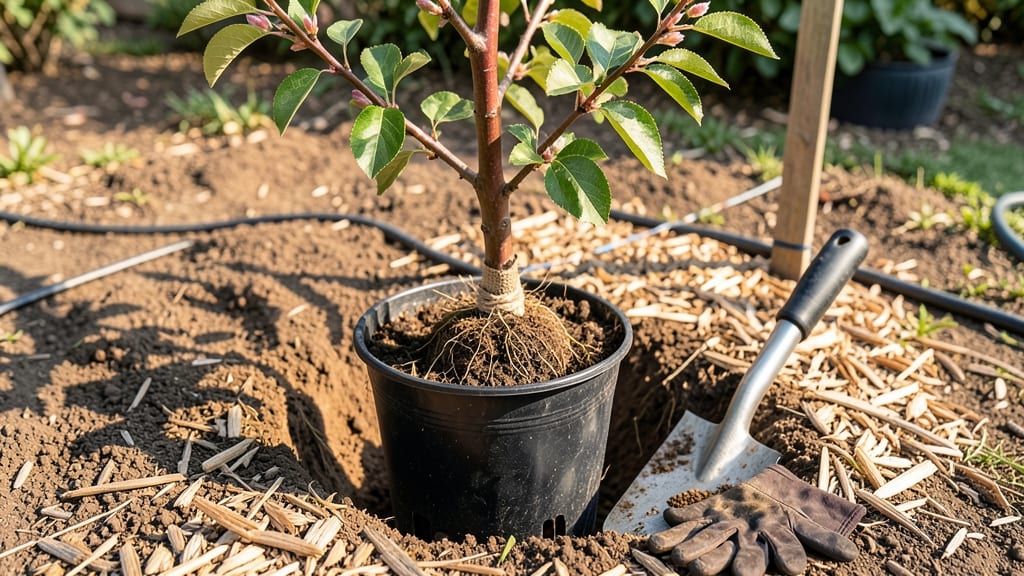
The best time to plant fruit trees in California is during the cooler months when soil is warm and workable 🌱 — a window that shifts dramatically from the coast to the desert.
Picture this: you’ve just bought a dwarf peach tree or a citrus sapling, only to watch it wilt under the first summer heatwave because you planted it too early.
Or worse, your avocado roots freeze in a rare inland frost because you waited too late. California’s microclimates mean the perfect timing for one zone can ruin another.
Whether you’re in the Mediterranean coastal zone, the Central Valley’s heat belt, or the desert’s high-elevation pockets, the right moment depends on temperature, rainfall, and the tree’s chilling needs. Citrus thrives in spring, stone fruits need winter dormancy, and subtropical varieties like figs demand early fall planting.
Get it wrong, and you’re staring at stunted growth or no fruit at all.
In this guide, I’ll break down the exact months for each California climate zone, plus variety-specific tips so your fruit trees grow strong, bear fruit, and outlast the Golden State’s wildest weather swings.
California’s best planting months by climate Zone: USDA 7-10
California’s diverse microclimates mean planting fruit trees in January can be perfect in the Central Valley while disastrous near coastal areas. Understanding your USDA zone (7-10) and local frost patterns is key—citrus thrives in Zone 10’s warmth, while stone fruits need chilling hours only Zone 7 can provide.
Let’s break down the best months to plant by region, so your trees establish roots before extreme heat or cold hits.
For Mediterranean coastal zones (USDA 9-10), like San Diego or Santa Barbara, mild winters mean you can plant citrus and subtropical varieties almost year-round—but early spring (March-April) is ideal.
Inland areas like Sacramento or Fresno (USDA 7-9) experience frost, so dormant-season planting (November-February) gives trees time to root before spring growth. Meanwhile, desert regions (USDA 9-10), such as Palm Springs, avoid winter planting entirely due to freeze risks.
Here’s the critical rule: Plant when soil is workable—not too cold (40°F) or too hot (90°F+). Coastal areas can plant citrus and avocado in late winter, while stone fruits (peach, plum) in Zone 7 foothills need winter dormancy before spring planting.
Let’s dive into the specifics with this comparison table for your zone.
In coastal zones (USDA 9-10), spring planting (March-April) aligns with rainfall patterns, giving young trees moisture without fungal risks from winter wetness. Citrus trees, like Meyer lemon or navel orange, despise frost, so avoid planting in Zone 9’s colder pockets like Santa Cruz Mountains during winter.
Instead, opt for fall planting (September-October) to establish roots before summer drought.
For Central Valley growers (USDA 7-9), winter dormancy is your ally. Planting stone fruits (peach, plum) in November-February ensures roots harden before spring growth. These trees need 200–600 chilling hours, so Zone 7’s cooler nights (e.g., Yuba City) are perfect.
Skip summer planting—90°F+ soil can scorch roots and stunt growth for years.
Desert regions like Palm Springs (USDA 10) have zero frost risk, but heat stress is the enemy. Plant date palms or persimmons in September-October when temps drop below 90°F.
Avoid winter planting: freezes below 30°F can kill subtropical varieties before they establish. Mulch heavily with wood chips to retain moisture in sandy desert soils.
Foothill areas (USDA 7-8, like Fresno or Madera) require precise timing for pome fruits (apple, pear). Plant in December-January when soil is cool but workable (45–55°F).
These trees need deep watering every 7–10 days during establishment, but overwatering in summer leads to root rot. Use drip irrigation to target roots directly.
Pro tip: Test soil pH before planting—citrus needs 6.0–7.0, while stone fruits thrive at 6.5–7.5.
Top fruit trees to plant by season: variety-specific timing tips
California’s Mediterranean climate offers unique opportunities for growing fruit trees year-round, but each variety thrives best when planted during its optimal dormancy or active growth window.
I’ve grown avocados in coastal zones and peaches in inland valleys, and timing makes all the difference between a thriving orchard and a struggling sapling. Let’s dive into the best planting months for popular—and some lesser-known—fruit trees that flourish in California’s diverse microclimates.
For citrus trees like lemons and oranges, the early spring window (February-March) is ideal because it allows roots to establish before summer heat stress hits. Meanwhile, stone fruits like peaches and plums need dormant-season planting (November-January) to sync with their natural chilling requirements.
Even subtropical varieties like pomegranates have specific timing needs to avoid heat shock or winter dieback.
Plant when soil temps reach 65°F+ to avoid root rot. Coastal areas can extend to June.
Requires 300-600 chill hours. Plant before buds swell in spring.
Establishes roots before winter rains. Avoid planting in hot summer months.
Needs 200-400 chill hours. Plant before first frost in inland zones.
Heat-tolerant but needs established roots before summer. Avoid planting in desert areas after April.
If you’re in Southern California (USDA Zone 10), you can extend planting seasons slightly—citrus and olives even handle late summer plantings (August-September) with proper irrigation.
But for Central Valley growers (USDA Zone 8-9), I recommend sticking to the fall/winter window for stone fruits to ensure they get enough winter chill. My fig trees planted in October consistently outperform those planted in spring, thanks to cooler root establishment.
For lesser-known varieties like persimmons, timing is critical because they’re sensitive to late frosts. In coastal areas (Zone 9-10), you can plant as late as November, but inland Zone 7-8 gardeners should aim for October to avoid winter dieback.
Pomegranates, while drought-tolerant, hate soggy roots, so planting in spring gives them time to establish before monsoon season.
Pro tip: Always check local frost dates and chilling hour requirements for your specific variety. For example, Fuyu persimmons need fewer chill hours than Hachiya varieties, making them better suited for coastal microclimates.
My peach trees planted in December in Modesto thrived because they got their required 500 chill hours before bud break.
Remember, soil prep matters just as much as timing. Amend clay soils with compost and sand for avocados, and use well-draining mixes for citrus to prevent root rot. With the right timing and care, your California orchard can yield fruit for decades—starting with the perfect first planting! 🌳