
Picking
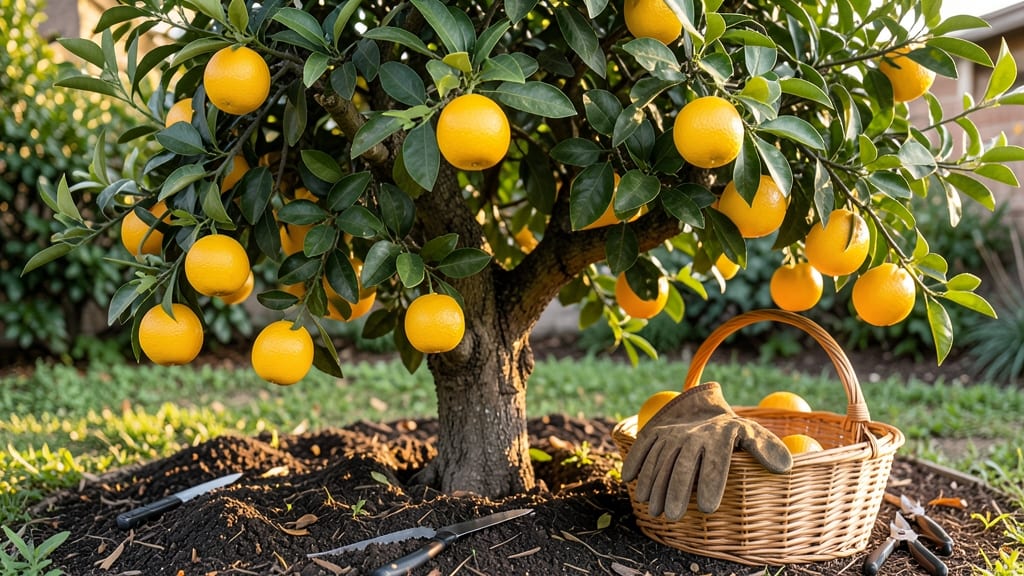
Grapefruit season in California runs from October through March, with the sweetest, juiciest fruit hitting markets between December and February—when the citrus trees in the Central Valley and Southern California are at their peak.
If you love the tangy-sweet flavor of fresh grapefruit, timing your purchase couldn’t be more important—California’s harvest seasons vary dramatically by region, and missing the peak can mean settling for imported fruit with less vibrant taste.
In the Central Valley, where most commercial grapefruits grow, harvests start as early as October but really shine from December to February. Meanwhile, Southern California’s warmer microclimates can stretch the season slightly later, sometimes into early spring.
Below, I’ll break down the best months to enjoy California’s finest grapefruits, how to spot perfectly ripe ones at the market, and why climate plays such a big role in when your favorite citrus hits the shelves.
California grapefruit season by region: when to expect peak harvests
California's grapefruit harvest is a seasonal delight, but the timing varies dramatically depending on where you look. With three major production regions, each offering slightly different peak months, knowing when to expect the freshest fruit can save you money and ensure the best flavor.
The Central Valley, Riverside/San Bernardino counties, and Imperial Valley all contribute to California's reputation as the nation's top grapefruit producer.
If you're planning to visit farmers markets or stock up on fresh grapefruits, understanding these regional differences is key. The peak harvest window typically spans from December through February, but specific regions may extend their seasons slightly earlier or later.
For home gardeners, this also means knowing when to expect fruit from your own trees if you're growing them in these climates.
Here's a detailed breakdown of when to expect peak grapefruit harvests in California's top-producing regions, including the best months for flavor and availability.
The Central Valley produces some of California's most beloved Ruby Red grapefruits, with peaks in December through February. This region's mild winters create perfect conditions for sweet, juicy fruit that's ideal for fresh eating or juicing.
If you're visiting farmers markets in Fresno or Bakersfield during these months, you'll find the freshest selections.
For those in Southern California, the Riverside and San Bernardino counties offer an earlier harvest window, typically starting in November and peaking through January. The warmer inland climate allows for slightly earlier ripening, making this region perfect for early holiday grapefruit needs.
Look for Pink and Red varieties that thrive in this microclimate.
The Imperial Valley, known for its desert growing conditions, extends the grapefruit season even earlier, with harvests beginning as early as October and continuing through December. The intense desert sun creates uniquely flavorful fruit, though these grapefruits may have slightly thicker skins.
This region is particularly important for early market supply before other areas come online.
If you're growing grapefruits at home in California, timing your harvest depends entirely on your region. Trees in the Imperial Valley may produce fruit as early as late October, while those in cooler coastal areas like Ventura might not peak until February or March.
Pay attention to the skin color and slight softness when determining ripeness—these are your best indicators regardless of region.
One important note for all California grapefruit regions: the peak flavor window typically extends for about one month after harvest. This means grapefruits picked in December will often taste best through January if stored properly.
For home gardeners, this means timing your purchases or harvests carefully to enjoy the most vibrant flavor possible.
For those who love grapefruit juice or fresh segments, the January through March window offers the best balance of sweetness and acidity across most regions. If you're planning to make preserves or other products, this is the ideal time to stock up on California-grown grapefruits for the best results.
Remember that California's frost-free climate allows grapefruit trees to produce fruit year-round in ideal conditions, but the peak commercial harvest remains concentrated in these winter months.
Whether you're a home gardener or a market shopper, timing your grapefruit enjoyment to these regional peaks ensures you'll experience California's finest citrus at its absolute best. 🍊
How to identify perfectly ripe California grapefruits at farmers markets
At California farmers markets, spotting the perfectly ripe grapefruit can feel like finding a hidden treasure. The difference between a juicy, flavorful grapefruit and one that’s either underripe or overripe often comes down to a few simple but critical clues.
I’ve learned that paying attention to color, weight, and texture can save you from bringing home fruit that’s either too tart or past its prime.
First, let’s talk about color cues. California grapefruits come in varieties like Ruby Red, Pink, and White, each with its own ideal hue. A ripe grapefruit should have a deep, vibrant color—think rich pink, deep red, or golden yellow—without any green patches or dullness.
These colors indicate the fruit has fully matured on the tree and developed its signature sweet-tart balance.
- 🍊 Color: Deep pink, red, or yellow (no green)
- ⚖️ Weight: Heavy for its size (indicates juiciness)
- 🤏 Firmness: Slightly soft but not mushy when gently squeezed
- 🌡️ Aroma: Sweet citrus scent near the stem
- 🌱 Stem Check: Pulls away cleanly from the fruit
Next, grab the grapefruit and give it a weight test. A ripe grapefruit should feel heavy for its size, almost like it’s packed with juice. If it feels light, it’s likely dehydrated or underripe.
This trick works especially well when comparing two grapefruits—pick the heavier one every time. I’ve found that Imperial Valley grapefruits, harvested from December to March, tend to be the juiciest during this weight test.
Don’t skip the firmness check. Press gently near the stem—your grapefruit should yield slightly (like a ripe avocado) but not feel mushy. If it’s rock-hard, it’s underripe; if it’s squishy, it’s overripe.
Pro tip: Avoid grapefruits with soft spots or wrinkled skin, as these are signs of spoilage or overripeness. At markets, I often see vendors offering "seconds" that look perfect but have minor blemishes—these can still be great if they pass the firmness test.
Finally, trust your nose. A ripe grapefruit should have a sweet, citrusy aroma near the stem. If it smells flat or sour, it’s not ready. This scent is your final confirmation that the fruit has reached peak ripeness.
I once bought a grapefruit that smelled wonderful but turned out to be mealy inside—always double-check with the firmness test if the aroma is questionable.
By mastering these four simple checks—color, weight, firmness, and aroma—you’ll consistently pick California grapefruits at their best. Next time you’re at the market, bring these tips along and enjoy that perfectly balanced tangy-sweet flavor straight from the tree. Happy grapefruit hunting! 🌱