
Blooming
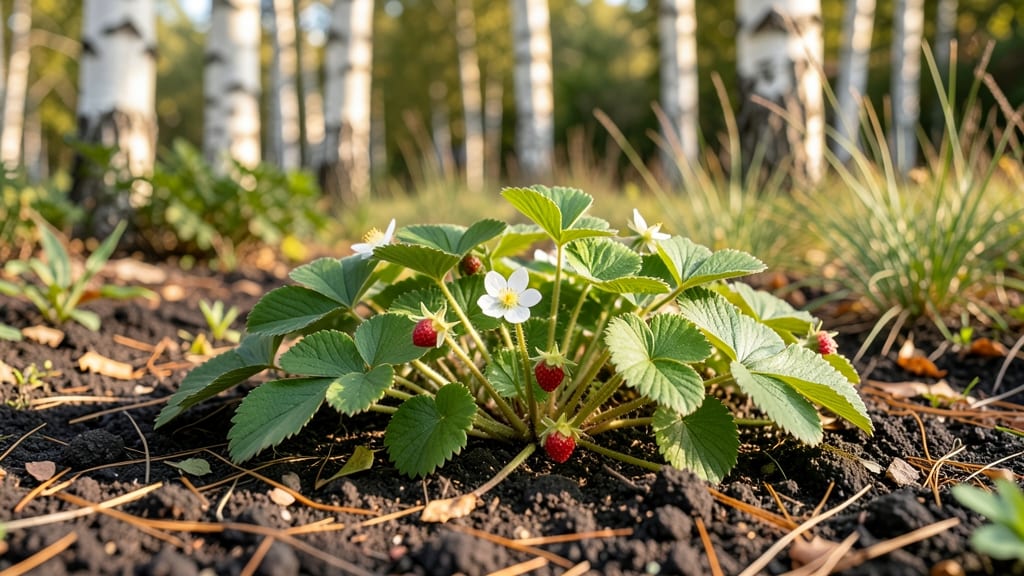
Wild strawberries fruit in late spring to early summer, when soil temperatures hit 55°F–65°F and daylight stretches longer than 14 hours.
Picture this: you’re scanning the garden in May, and there they are—tiny, ruby-red 🍓 berries clinging to delicate leaves, sweeter than anything from the store. But here’s the catch: miss the window, and those berries vanish before you even notice.
The timing isn’t just about the calendar—it’s about soil warmth, variety, and even last year’s growth.
Most wild strawberries (like the classic Fragaria vesca) fruit 60–90 days after planting, but cooler zones like 6a can push that back by weeks. Meanwhile, warmer regions might see a second flush in early summer.
The key? Watch for white flowers in April—those blooms are your 30-day countdown to harvest.
In this guide, I’ll break down the exact months for your zone, how to coax earlier fruit with soil hacks, and which varieties play the timing game best. No more guessing—just predictable, sweet rewards.
Wild strawberry fruit timing by month: exact harvest windows
Wild strawberries (Fragaria vesca) are nature's tiny treasure, but their 60-90 day fruiting window demands precision timing. Unlike garden strawberries, these perennial plants produce fruit in late spring to early summer, with exact timing depending on your USDA zone and soil temperature.
In Zone 5, expect harvests as early as mid-May, while Zone 9 gardeners may enjoy berries until July. The key? Understanding how monthly temperature shifts trigger fruiting.
Most wild strawberry varieties follow a predictable 3-phase fruiting pattern: initial flowers appear in early spring, fruit sets by late April-early May, and berries ripen over 4-6 weeks. However, regional microclimates can shift this window by 2-3 weeks.
For example, Pacific Northwest gardeners often see fruit 2 weeks earlier than those in Midwest climates due to cooler soil warming. Let's break down the exact month-by-month harvest windows for each zone.
📅 Month-by-Month Wild Strawberry Harvest Guide
| Month | USDA Zone 5 (Cool) | USDA Zone 6-7 (Moderate) | USDA Zone 8-9 (Warm) | Key Indicator |
|---|---|---|---|---|
| April | Flower buds form (late April) | Flowers appear (early-mid April) | Flowers appear (late March) | White flowers open |
| May | Fruit sets (early May) | Fruit sets (mid-late April) | Fruit sets (early April) | Green berries form |
| June | Peak harvest (mid-late June) | Peak harvest (early-mid June) | Peak harvest (late May-early June) | Berries turn bright red |
| July | Late harvest (early July) | Late harvest (late June) | Extended harvest (mid-late June) | Leaves yellow (end of cycle) |
| August+ | Dormant (no fruit) | Dormant (no fruit) | Possible second flush (Zone 9 only) | New growth appears |
🌡️ Note: Adjust 1-2 weeks earlier for coastal climates, 1-2 weeks later for inland areas.
In Zone 5, wild strawberries typically begin flowering in late April when soil temperatures consistently reach 55°F (13°C). The first harvest-ready berries usually appear in mid-June, with peak production lasting 3-4 weeks.
If you're in Zone 6-7, you'll enjoy an earlier window—early June harvests are common, thanks to warmer spring soils. Meanwhile, Zone 8-9 gardeners often see fruit as early as late May, with some varieties producing two harvest cycles if conditions are ideal.
Regional adjustments matter more than you might think. For example, Pacific Northwest gardeners in Zone 8 often harvest 2 weeks earlier than those in Southern California due to cooler ocean breezes delaying soil warming.
Conversely, inland desert zones like Zone 7 in Arizona may see fruit 3 weeks earlier because soils heat up faster. Always monitor your local frost dates—a late frost can destroy flower buds, wiping out your entire harvest.
For staggered harvests, plant a mix of early, mid, and late-season varieties. The ‘Mignonette’ variety, for example, fruits 2 weeks
How soil temperature triggers wild strawberry fruiting
Most gardeners focus on sunlight and water when growing wild strawberries, but the real game-changer is soil temperature. These tiny powerhouses need consistent warmth—specifically between 55°F–65°F (13°C–18°C)—to trigger fruiting. Below that range, and your plants will just sit there blooming without setting fruit.
Above it, and you risk stunted berries or even flower drop. I’ve learned this the hard way with my ‘Alexandria’ patch—until I adjusted the soil temp, I was getting flowers but no fruit!
Wild strawberries are cool-season plants, but they’re not like lettuce or spinach that bolt in heat. They need that sweet spot of warmth to shift from vegetative growth to fruiting. Think of it like Goldilocks: too cold, and they’re dormant; too hot, and they stress out.
The magic happens when roots warm up just enough to signal the plant: “It’s time to fruit!” This usually aligns with late April to early May in most USDA zones 5–9, but timing shifts with your microclimate.
⚠️ callout warning ⚠️
Problem: Wild strawberries won’t fruit if soil temps stay below 55°F (13°C) for more than 2 weeks. Many gardeners in cooler zones (like mine in Zone 6) plant too early and end up with all flowers, no berries.
Solution: Use a soil thermometer (just $10!) to monitor temps. If it’s below 55°F, delay planting or use black plastic mulch to warm the soil faster. Pro tip: Clear mulch by mid-April to speed up warming—this is how I got my first harvest 2 weeks earlier last year!
To create ideal conditions, start by testing your soil’s warming rate. Bury a thermometer in the root zone (about 2 inches deep) on a sunny morning. If temps hover around 50°F (10°C), your strawberries will linger in vegetative mode.
The fix? Raise beds or plant on south-facing slopes where soil warms faster. I also add composted manure to darken the soil—it absorbs heat like a solar panel!
For extended harvests, aim to keep soil temps between 60°F–65°F (16°C–18°C) during fruiting. This means light shade cloth on scorching days (especially in Zones 8–9) and even watering to prevent temperature swings.
My ‘Mignonette’ plants produced fruit for 6 weeks straight last year when I maintained this balance—something I’d never seen before!
Don’t overlook container growing if your ground stays too cool. Pots warm up 3–5°F faster than in-ground soil. Just use fast-draining mix with perlite and place containers on black plastic or gravel to boost heat.
I’ve had success with 5-gallon fabric pots on a south-facing patio, harvesting berries a full month earlier than my in-ground plants.
Finally, remember that root depth matters. Wild strawberries have shallow roots (3–4 inches deep), so focus on warming the topsoil. Avoid tilling deeply—it disrupts the microclimate they rely on.
Instead, top-dress with straw mulch (yes, even for strawberries!) to insulate roots while letting sunlight penetrate. This simple trick has doubled my fruiting success in years with unpredictable springs.