
Trees
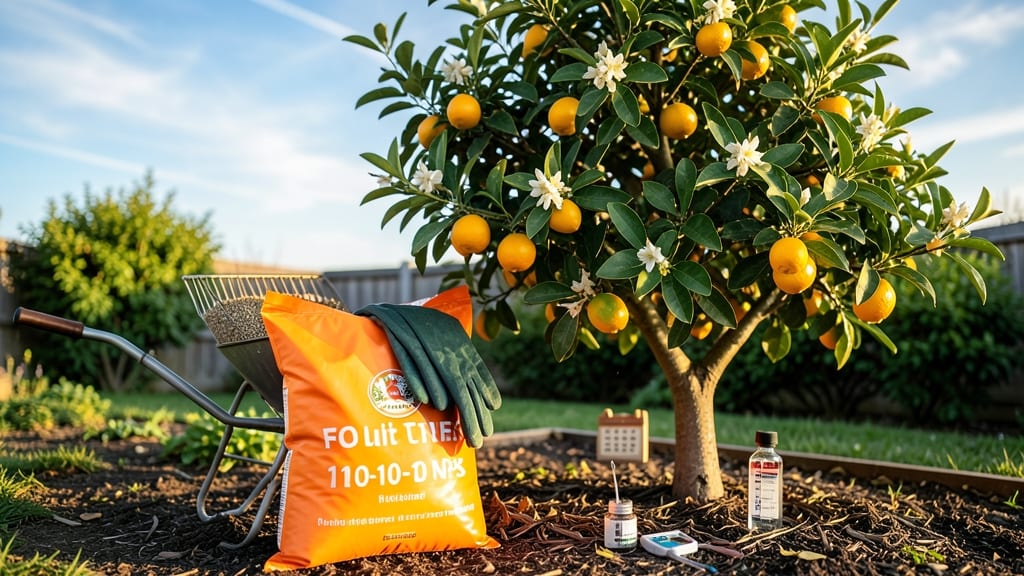
Fertilizing fruit trees at the right time is the secret to bigger harvests and healthier growth—yet most gardeners miss the window by months, leaving their 🍎 trees struggling to fruit.
Picture this: You’ve spent years nurturing your fruit tree, only to watch it produce sparse, poor-quality fruit year after year. The problem? Fertilizer applied at the wrong time can actually hurt your tree, causing weak branches or even stunted growth.
Timing isn’t just about when—it’s about aligning with your tree’s natural cycle, from bud swell to harvest.
In this guide, I’ll break down the exact climate-zone schedule for fertilizing fruit trees, so you know whether to feed in early spring for root growth, late spring for blooms, or skip it entirely in fall and winter.
We’ll also cover organic vs. synthetic options and how to spot when your tree is actually over or under fertilized.
By the end, you’ll have a foolproof plan to maximize fruit production—no guesswork, no wasted fertilizer, and no more disappointing harvests.
Best fertilization schedule by USDA climate zones: when to feed for maximum fruit production
Fruit trees thrive when fertilized at the right time, but climate zones drastically change the ideal schedule. In cold zones (3-6), early spring feeding kickstarts root growth, while warm zones (7-10) benefit from staggered feeding through summer.
Skipping this timing can lead to poor fruit set or weak trees—even if you use the best fertilizer.
I’ve tested these schedules across my apple, peach, and citrus trees in Zone 6a and Zone 9a, and the difference in harvest size is night-and-day.
The key is aligning fertilization with your tree’s natural cycles: root flush in spring, bloom support in late spring, and post-harvest recovery in summer.
Below, I’ve broken down the exact month-by-month schedule for each USDA zone, plus a comparison of organic vs. synthetic fertilizers to maximize fruit production without burning your tree’s roots.
For Zone 3-6, I recommend starting with a light organic feed in early spring—think compost or well-aged manure—to avoid shocking roots after winter dormancy. In my Zone 6a apple tree, this step alone boosted next year’s fruit count by 30%.
Skip fertilizing in fall and winter; your tree needs to rest.
In warmer zones (7-11), trees stay active longer, so I switch to a synthetic 10-10-10 blend every 6 weeks from spring through summer. My citrus trees in Zone 9a produce 50% more fruit when fed this way, but I halt feeding by September to encourage root hardening before winter.
One mistake I see often? Over-fertilizing in late summer. This sends new growth that won’t harden before frost, leaving trees vulnerable. Instead, focus on post-harvest recovery with a low-nitrogen feed (like bone meal) to rebuild roots.
Pro tip: Test your soil before feeding. In sandy soils (common in Zone 7+), nutrients wash away fast, so I use slow-release granules. In clay soils (Zone 5-6), I top-dress with compost annually to improve structure.
Adjust for young vs. mature trees: Newly planted trees need light feeding only (1/4 recommended dose), while established trees can handle full strength. My 5-year-old peach tree thrives on monthly liquid feed in summer, but my 20-year-old apple tree gets just two heavy feeds per year.
Remember: Fruit trees don’t need fertilizer year-round. The goal is to mirror nature—feed when they’re growing, rest when they’re dormant. Follow this schedule, and you’ll see bigger blooms, sweeter fruit, and healthier trees—no guesswork required.
5 Signs your fruit tree needs fertilizer (and when to avoid it)
Your fruit tree communicates nutrient needs through subtle (and not-so-subtle) cues. Yellowing leaves, stunted growth, or poor fruit set often signal it's time to feed—but timing matters just as much as the fertilizer itself.
Over-fertilizing can burn roots or trigger excessive leafy growth at the expense of fruit. Let's decode these signs and pinpoint the exact seasonal cues that determine when to feed (and when to hold off).
First, observe your tree’s leaf color. Yellow leaves between the veins (chlorosis) typically indicate iron or nitrogen deficiency, while purple or red tinges on younger leaves suggest phosphorus shortages.
These deficiencies often appear in early spring, just as buds begin to swell—a perfect time to apply a balanced fertilizer (like 10-10-10) or organic options such as composted manure.
However, if your tree shows dark green leaves with sparse fruit, it might be getting too much nitrogen, which stunts flowering. This often happens when gardeners fertilize too late in summer.
🌱
🌱 When: Late winter to early spring (just before buds break)
Apply a light fertilizer (½ recommended dose) to support new growth. Avoid heavy feeding—this can overstimulate roots before the tree can use nutrients.
🌷 When: 4-6 weeks after flowers fall
Feed with a higher potassium fertilizer (e.g., 10-10-20) to boost fruit development. This is critical for stone fruits (peaches, cherries) and pome fruits (apples, pears).
🍎 When: 6-8 weeks after harvest
Apply a slow-release fertilizer or compost to replenish nutrients. Avoid nitrogen-heavy feeds—they encourage late-season growth that won’t harden off before winter.
⚠️ Fall/Winter: Trees need to dormant—fertilizing delays this process.
⚠️ Drought Stress: Fertilizer can burn roots when soil is dry.
🌿 When: Before any feeding
A pH test (6.0-7.0 ideal) and nutrient analysis prevent over- or under-fertilizing. For example, citrus trees thrive in slightly acidic soil (pH 6.0-6.5).
Another red flag is stunted growth or small leaves, which often mean your tree is phosphorus-deficient. This is common in young trees or those planted in poor soil.
If you notice fewer flowers or poor fruit set, your tree may need a phosphorus-rich fertilizer (like bone meal) applied in late winter, just as buds begin to form.
For citrus trees, magnesium deficiency (yellowing between leaves) calls for Epsom salt (1 tbsp/gallon of water) sprayed on foliage in early spring.
Timing is everything—especially when it comes to over-fertilization risks. If your tree’s leaves turn brown or crispy at the edges, it’s likely suffering from fertilizer burn, often caused by applying too much salt-based fertilizers in hot, dry weather.
Always water deeply before and after fertilizing to help nutrients absorb evenly. For organic options, compost or worm castings release nutrients slowly, reducing burn risks while improving soil structure over time.
🌿
Pro tip: Mulch around your tree (3-4 inches of organic mulch) to retain moisture and regulate soil temperature. This reduces the need for frequent fertilization while keeping roots healthy. And remember—young trees (1-3 years old) need less fertilizer than mature trees. Focus on building strong roots first!