
Fertilization
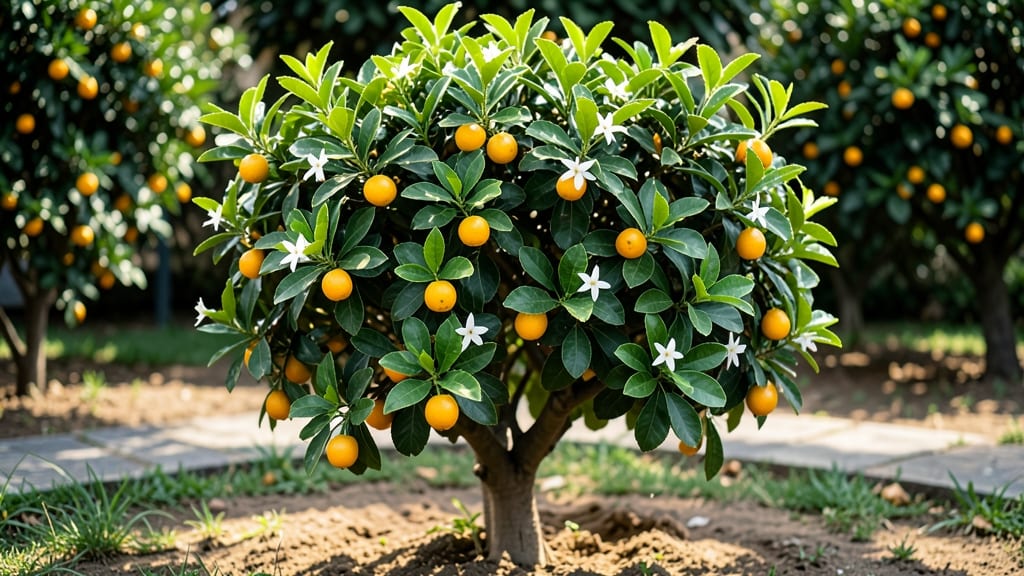
Calamansi fruit is a small, tart citrus hybrid—crossing mandarin and kumquat—known for its intense sour flavor and bright yellow-green skin. Filipinos use it fresh, in sauces, or as a marinade for its zesty punch and health benefits like vitamin C and antioxidants.
Calamansi stands out because its genetic mix creates a unique citrus profile that's more complex than regular lime or lemon. 💫 The fruit's small size—about the size of a large grape—might fool you, but its flavor packs a serious punch, making it a staple in Filipino cuisine.
Unlike other citrus fruits, calamansi's sourness is balanced with subtle sweetness, which is why it's often used to brighten dishes without overpowering them. Many home cooks and chefs swear by it for its ability to elevate everything from marinades to desserts.
What's fascinating is how its growing conditions mirror those of its parent plants—it thrives in tropical climates with well-draining soil and plenty of sunlight.
While it's commonly found in Southeast Asia, growing calamansi trees at home is entirely possible with the right care, making it a rewarding addition to any kitchen garden.
💡 In This Article
- Calamansi Fruit Origins and Botanical Breakdown
- Growing Calamansi Trees at Home: Tips and Care Guide
Calamansi fruit origins and botanical breakdown
Calamansi belongs to the Citrus microcarpa species, a natural hybrid between mandarin oranges and kumquats that likely originated in Southeast Asia. Botanists believe it emerged through spontaneous cross-pollination in tropical regions where these parent plants grew in close proximity.
The fruit's scientific name reflects its tiny size—"microcarpa" literally means "small fruit"—with mature specimens rarely exceeding 1.5 inches in diameter.
The fruit's unique flavor chemistry comes from its high citric acid content (about 5-7% by weight, compared to 3-5% in lemons) combined with moderate sugar levels. This creates a 3:1 sour-to-sweet ratio, far more intense than limes or lemons.
The bright yellow-green skin contains volatile oils like limonene and citral, which give calamansi its signature aromatic punch when you peel or cut it. 💫 Unlike kumquats (its parent), calamansi's peel is typically discarded due to its bitterness, though some varieties like the "calamondin" (a close relative) have sweeter rinds.
Calamansi trees thrive in tropical to subtropical climates with temperatures between 70-90°F year-round. They prefer well-draining, slightly acidic soil (pH 5.5-6.5) and require 6-8 hours of direct sunlight daily. The trees are surprisingly cold-sensitive—temperatures below 32°F can cause leaf drop or even kill the plant.
This explains why commercial production remains concentrated in the Philippines, Indonesia, and southern China, where the climate perfectly matches their needs.
What makes calamansi distinct from other citrus is its dual-purpose fruit structure. The flesh contains 10-12 segments packed with juice sacs, while the central core holds 5-8 seeds (though seedless varieties exist).
The seeds are edible when cooked but contain small amounts of coumarin, which gives them a slightly bitter taste. This seed-to-flesh ratio is higher than in limes, making calamansi a more "efficient" souring agent when you're working with limited fruit.
In culinary terms, calamansi's acidity behaves differently than lime or lemon when used in cooking. Its higher citric acid content means it brightens flavors more aggressively—just 1 tablespoon of juice can replace 2 tablespoons of lime juice in most recipes.
This is why Filipino chefs often use calamansi to "cut" the richness of fatty dishes like adobo or crispy pork, where the acidity helps break down proteins and create a silky texture. 🔥
The fruit's compact size and concentrated flavor also make it ideal for preservation. Filipinos traditionally ferment calamansi into calamansi vinegar or dry the fruit into powdered form, which retains its sour punch for months.
This preservation technique explains why calamansi remains accessible even in regions where fresh fruit is seasonal—its concentrated form delivers the same zesty impact without bulk.