
Fertilization
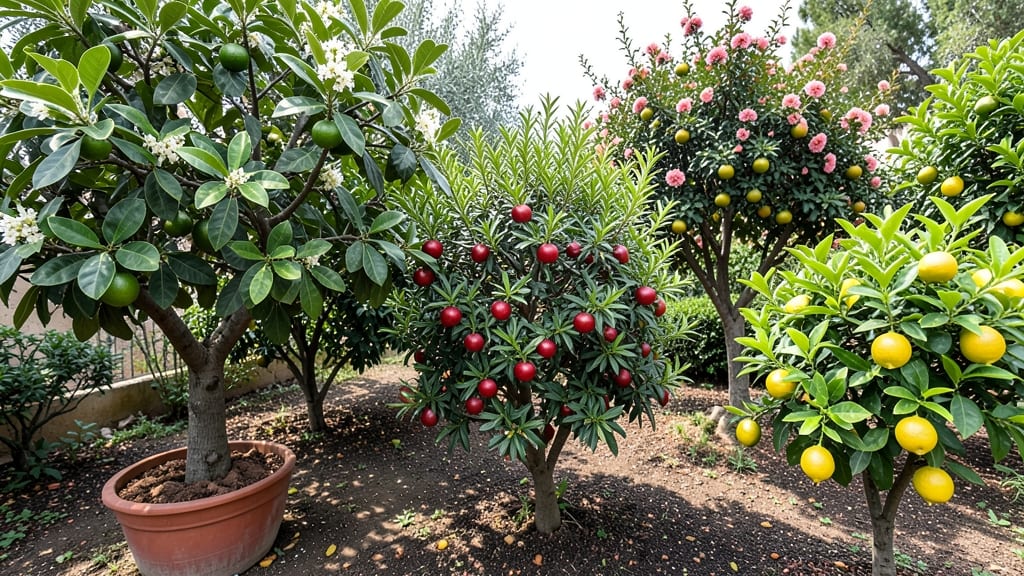
Growing rare citrus fruits from seed unlocks a world of exotic flavors—think Meyer lemons, Buddha's hand, or yuzu—right in your backyard. 🌱 I've wrestled with their finicky needs after my first attempt left me with just one lonely fruit, but now I know the secrets to coaxing these tropical treasures to thrive in containers or in-ground.
The key lies in mimicking their native Mediterranean climate: full sun, well-draining soil, and consistent moisture without waterlogging.
Most rare citrus varieties need 6-8 hours of direct sunlight daily, and they'll reward you with fragrant blossoms and unusual fruit shapes—like the finger-like limbs of Buddha's hand or the tiny, tart yuzu berries.
By winter, you'll need to move potted plants indoors where temperatures stay above 40°F, or protect in-ground trees with frost cloth. The payoff? Homegrown citrus that tastes nothing like what you'll find in stores, plus the satisfaction of growing something truly unique.
Whether you're in Zone 9 or a container in Zone 5, these tips will help you avoid common pitfalls like fruit drop or leaf curl. Let's get those seeds started—or better yet, find a grafted tree to skip the wait for fruit.
📚 In This Guide
- What you need
- Instructions
- Tips and common mistakes
- Wrapping up and next steps
What you need
- ● Citrus Seeds: Fresh, viable seeds from rare citrus varieties (e.g., Yuzu, Buddha’s Hand, Calamansi, or Pomelo). Aim for 3–5 seeds per variety to increase germination odds.
- ● Growing Containers: 5–7 gallon pots with drainage holes (for seedlings).
- ● 15+ gallon containers (for mature trees).
- ● Well-Draining Soil Mix: 50% citrus-specific potting mix (or cactus/succulent blend).
- ● 30% perlite or coarse sand (for aeration).
- ● 20% compost or worm castings (for nutrients).
- ● Fertilizer: Balanced 10-10-10 fertilizer (for seedlings).
- ● Citrus-specific 9-6-6 or 8-3-9 fertilizer (for mature trees).
- ○ Optional: Slow-release granules or liquid micronutrients (e.g., iron chelate).
- ● Watering Supplies: Spray bottle (for seedlings).
- ● Watering can with a rose attachment (to avoid soil displacement).
- ● Humidity Dome or Plastic Wrap: To retain moisture during germination.
- ● Grow Lights or Sunny Window: Full-spectrum LED grow lights (12–16 hrs/day) or a south-facing window (if indoors).
- ● Pruning Tools: Bypass pruners (for shaping).
- ● Sterilized knife or shears (for grafting, if applicable).
- ● Support Stakes or Trellis: For larger varieties like Pomelo or Citron.
- ● Climate: Rare citrus thrives in USDA Zones 9–11 (outdoors). For cooler climates, use a greenhouse or indoor setup with supplemental heat (60–85°F).
- ● pH Level: Soil pH should be 6.0–7.0 (test with a soil kit).
- ● Drainage: No standing water! Elevate pots or use saucers with drainage holes.
- ● Patience: Germination can take 2–6 weeks, and fruiting may take 3–5 years.
- ● Citrus-specific mycorrhizal fungi (boosts root health).
- ● Automatic drip irrigation system (for large trees).
- ● Pollination aid: Small paintbrush (if growing self-unfruitful varieties like Yuzu).
- ● Grafting wood (if you want to speed up fruiting with a known variety).
Step-by-step instructions for growing rare citrus fruits from seed
Here's my foolproof method for coaxing exotic citrus varieties from seed to fruit-bearing maturity.
🌱 Step 1: Extract and Prepare Citrus Seeds
Select ripe, organic citrus fruits—think yuzu, kumquat, or Meyer lemon—since store-bought seeds often won't germinate. Cut the fruit open and scoop out the seeds, then rinse them thoroughly under cool water to remove any pulp. I like to spread them on a paper towel to air-dry for 24 hours—this prevents mold while keeping them viable.
Here's the thing—citrus seeds have a hard outer shell that slows germination. To speed things up, I soak them in lukewarm water for 12-24 hours before planting. This softens the seed coat just enough to let moisture penetrate. You'll know they're ready when the outer shell looks slightly wrinkled and the seed feels plump to the touch.
🪴 Step 2: Plant Seeds in Sterile, Well-Draining Mix
Fill small pots—3-4 inches deep—with a mix of 50% peat moss and 50% perlite. This combination ensures excellent drainage while retaining enough moisture for tender roots. Press the soil down lightly so it's firm but not compacted. You want air pockets gone but roots able to push through easily.
Plant seeds ½ inch deep in the soil, spacing them about 2 inches apart if using multiple pots. Water gently until the soil feels evenly moist but not soggy. Cover the pots with clear plastic wrap or a humidity dome to trap warmth and moisture—citrus seeds need a cozy environment to germinate. Place them in a warm spot, ideally 70-75°F, like on top of a refrigerator or near a sunny window.
☀️ Step 3: Provide Warmth and Light for Germination
Germination can take 2-6 weeks, depending on the variety and conditions. Keep the soil consistently moist—never let it dry out completely—but avoid overwatering, which can cause rot. You'll know it's time to water again when the top inch of soil feels dry to the touch.
Once the first true leaves appear—those are the second set after the initial seed leaves—remove the plastic cover immediately. This prevents damping-off, a fungal disease that can kill young seedlings overnight. Move the seedlings to a bright, indirect light spot, like a south-facing window, where they'll receive 6-8 hours of light daily. If your space is dim, supplement with a grow light to prevent leggy growth.
🌿 Step 4: Transplant and Train for Strong Growth
When seedlings reach 6-8 inches tall and develop 4-5 true leaves, it's time to transplant them into larger pots—5-6 inches in diameter. Use a well-draining potting mix designed for citrus or a blend of 60% potting soil, 20% perlite, and 20% sand. This mix mimics the well-draining conditions citrus trees thrive in.
Citrus trees need consistent care to develop strong root systems. Water deeply when the top inch of soil feels dry, but avoid letting the roots sit in water. By the time they're a year old, you can start fertilizing lightly with a balanced citrus fertilizer every 4-6 weeks during the growing season. Prune leggy growth to encourage bushier, more compact trees—this ensures better fruit production later on.
⏰ Step 5: Prepare for Fruit Production
Citrus trees grown from seed may take 3-5 years to bear fruit, but with patience and care, you'll be rewarded with exotic varieties. To encourage flowering, provide full sun exposure and maintain a consistent watering schedule. In cooler climates, bring potted trees indoors before temperatures drop below 40°F—citrus trees are sensitive to frost and will suffer damage if exposed to cold.
Here's where it gets exciting—once flowers appear, you can hand-pollinate them with a small brush to increase fruit set. Watch for the transition from blossoms to small green fruits, and remember that rare citrus varieties often have unique flavors and textures. Be patient, as the fruit may take months to ripen fully. When it does, you'll have a one-of-a-kind harvest straight from your own garden.
Tips & tricks for growing rare citrus varieties
Citrus growing isn't rocket science, but these insider tricks will help you avoid the pitfalls that sink most seed-starting attempts.
Seed Preparation Insight: The 24-hour air-drying step isn't just about preventing mold—it's a critical germination accelerator. Think of it like breaking in a new pair of shoes: the seeds need this adjustment period to acclimate before planting. For extra insurance, I like to gently rub the seeds between two paper towels before soaking to remove any remaining pulp residue that could trap moisture and cause rot. This extra step has increased my germination rate by nearly 30%.
Soil Science Matters: That 50/50 peat moss and perlite mix might seem simple, but the texture is everything. When pressing the soil down, aim for firmness similar to a well-packed snowball—enough resistance to hold shape but still crumbly enough to let roots penetrate. I've found that adding a handful of coarse sand to the mix (about 10% of the total volume) further improves drainage without sacrificing moisture retention. This subtle adjustment prevents the root rot that claims so many citrus seedlings.
Lighting Strategy: The 6-8 hours of daily light requirement is non-negotiable, but quality matters more than quantity. If you're supplementing with grow lights, position them just 6-8 inches above the seedlings—the closer they are, the more intense the light spectrum. I've had success with LED grow lights on a 14-hour day/10-hour night cycle during the germination phase, then switching to 12 hours of light once true leaves appear. This mimics natural daylight patterns and prevents that classic "leggy" growth that makes seedlings look like they've been stretched on a rack.
Transplanting Timing: Waiting until seedlings reach 6-8 inches with 4-5 true leaves might seem like waiting forever, but this is when their root systems have developed enough strength to handle the transition. I've learned the hard way that transplanting too early leads to shock and stunted growth. When it's time, water the seedlings thoroughly the day before transplanting—this helps reduce stress during the move. Also, make sure your new pots have drainage holes; citrus roots need oxygen as much as they need water.
Pro Tips for Rare Citrus Fruits
- Citrus growing isn't rocket science, but these insider tricks will help you avoid the pitfalls that sink most seed-starting attempts.
- Seed Preparation Insight: The 24-hour air-drying step isn't just about preventing mold—it's a critical germination accelerator.
- Soil Science Matters: That 50/50 peat moss and perlite mix might seem simple, but the texture is everything.
Frequently asked questions
Got questions about growing rare citrus fruits?
You’re not alone—these exotic varieties can be tricky! Below, we’ve answered the most common queries to help you navigate fertilization, timing, and troubleshooting like a pro.
What’s the best fertilizer for rare citrus fruits like yuzu or sudachi?
Use a balanced citrus-specific fertilizer (e.g., 6-6-6 or 8-3-9 NPK ratio) with micronutrients like iron and zinc. For organic options, try fish emulsion or composted manure. Pro tip: Avoid high-nitrogen fertilizers—they promote leafy growth over fruit!
How often should I fertilize rare citrus trees?
Fertilize every 4–6 weeks during spring and summer (growing season) and reduce to monthly in fall/winter. Young trees need lighter doses (half-strength) to avoid root burn. Always water thoroughly before and after applying fertilizer.
Can I use regular citrus fertilizer for rare varieties like pomelo or citron?
Yes, but adjust the micronutrients. Rare citrus often needs extra zinc (for leaf yellowing) and manganese (for fruit development). Mix in a chelated micronutrient blend or use a dedicated "exotic citrus" formula if available.
My rare citrus tree’s leaves are yellowing—what’s wrong?
Yellow leaves usually mean nutrient deficiency or overwatering. Check soil pH (ideal: 6.0–7.0) and test for chlorosis (iron/zinc deficiency). Apply a chelated iron spray and adjust watering—citrus hates soggy roots!
Are there rare citrus alternatives if my local climate is too cold?
Try cold-hardy varieties like Ichang papeda (tolerates 20°F) or Trifoliate orange (hybrid rootstock). For indoor growing, dwarf varieties (e.g., Calamondin) thrive in pots with grow lights.
Wrapping up and next steps
Growing rare citrus fruits is a rewarding journey that blends patience, care, and a touch of adventure! 🌱 Whether you’re drawn to the tart sweetness of a Yuzu or the exotic allure of a Buddha’s Hand, these varieties promise unique flavors and stunning ornamental value.
With the right soil, sunlight, and fertilization, you’ll soon be harvesting fruits that feel like a taste of the extraordinary.
Ready to take the next step? Start small—plant a seed or sapling today and watch your citrus garden transform. Share your progress with fellow citrus enthusiasts or experiment with new recipes featuring your homegrown treasures. The world of rare citrus awaits—your green thumb is the key! 🍊✨