
Pruning
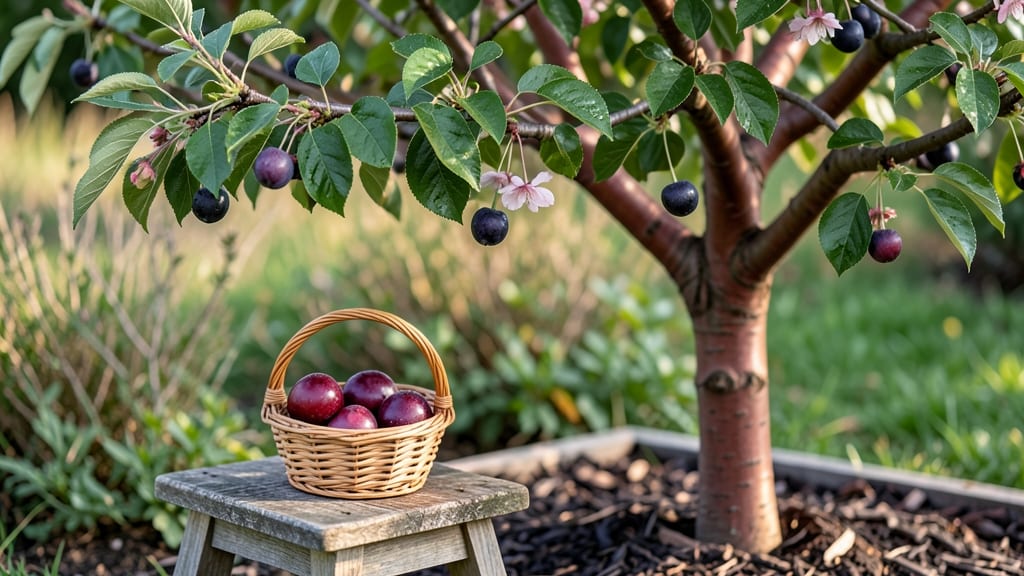
Your weeping cherry tree isn't just pretty—it's producing sweet, juicy fruit that rivals store-bought cherries. 🌱 I planted mine five years ago, thinking it was purely ornamental, only to discover the hidden treasure of edible cherries dangling from those graceful branches every spring.
The key to success lies in choosing the right variety—some weeping cherries like 'Shidarezakura' bear fruit, while others focus purely on flowers. Plant in full sun with well-draining soil, and water deeply once a week during dry spells.
Prune in late winter to shape the tree while it's dormant, removing any dead or crossing branches that could block sunlight from reaching the fruit. By late June or early July, you'll be harvesting clusters of deep red cherries that burst with flavor.
The birds might get to some first, but with proper netting and timing, you'll enjoy a harvest that's sweeter than anything you've ever bought. The fruit is perfect for snacking fresh, baking pies, or making homemade jam.
This dual-purpose tree thrives in USDA zones 5-8, making it an excellent choice for home gardens. Just be prepared for some patience—it takes 3-5 years for trees to bear significant fruit, but the wait is worth every juicy bite.
📚 In This Guide
- What you need
- Instructions
- Tips and common mistakes
- Wrapping up and next steps
What you need
- ● Harvesting tools: 1 pair of sharp pruning shears (bypass pruners, 6–8" blades) – for precise cuts without crushing fruit.
- ● 1 harvesting basket or bucket (10–15 gallons) with a soft lining (e.g., mesh bag or towel) to prevent bruising.
- ● 1 ladder or step stool (if your tree is 6+ feet tall) – ensure it’s stable and non-slip.
- ● Safety gear: 1 pair of gardening gloves (nitrile-coated for grip and protection).
- ● 1 bandana or hat – cherries can stain, and branches may scratch!
- ○ Harvesting aids: 1 small knife or fruit hook (optional, for stubborn clusters).
- ● 1 spray bottle with water (to rinse hands/tools between cuts).
- ● Tree identification: Confirm your weeping cherry is a fruit-bearing variety (e.g., Prunus avium ‘Kanzan’ or Prunus serrulata ‘Shirotae’). Ornamental varieties may not produce edible fruit.
- ● Timing check: Harvest when fruit is fully ripe (deep red/purple, slightly soft to touch) – typically late spring to early summer.
- ● Weather prep: Work on a dry, cool morning to avoid fruit bruising or pests.
Step-by-Step guide to harvesting fruit from a weeping cherry tree
Turn that beautiful ornamental tree into a sweet harvest with these simple steps.
🌿 Step 1: Identify the Right Variety and Season
Not all weeping cherries produce edible fruit—look for cultivars like 'Kanzan' or 'Stella Compact' labeled as fruit-bearing. These varieties need full sun (6-8 hours daily) and well-draining soil to set fruit. I check for blossoms in early spring—the more flowers, the better your harvest potential.
Harvest time arrives when fruit turns a deep, vibrant color (usually late summer to early fall). You'll see the stems easily separate from the tree when gently tugged—that's your cue. If birds are feasting first, cover branches with netting before blossoms open.
☀️ Step 2: Prepare for Fruit Production
Fruit-bearing cherry trees need consistent care. Water deeply once weekly during dry spells, keeping 2-3 inches of soil moist but never soggy. I mulch with 2-3 inches of organic mulch (like shredded bark) to retain moisture and regulate soil temperature.
Fertilize in early spring with a balanced 10-10-10 fertilizer (about ½ pound per 100 square feet). Avoid high-nitrogen fertilizers—they promote leafy growth at the expense of fruit. Prune in late winter to remove dead wood and open the canopy for better air circulation and sunlight penetration.
🍒 Step 3: Harvest at Peak Ripeness
Pick cherries when they're fully colored and slightly soft to the touch. Gently twist the fruit—it should come off cleanly with the stem attached. I harvest on a dry morning to avoid spreading disease. Use a small ladder or step stool to reach higher branches safely.
Don't wait too long—overripe cherries split easily and attract pests. Harvest in small batches every 2-3 days during peak season. Store in the fridge for up to 1 week or freeze for longer storage. You'll know they're ready when the flavor is sweet with just a hint of tartness.
🌱 Step 4: Post-Harvest Care for Next Year's Fruit
After harvest, remove any remaining fruit that didn't ripen—this prevents pests and diseases from overwintering. Rake up fallen leaves and dispose of them in yard waste. I apply a layer of compost around the base to replenish nutrients for next season's blossoms.
Water deeply once more before winter to help roots establish. If your tree is young, consider wrapping the trunk with tree guard to protect it from rodents. With proper care, your weeping cherry will produce fruit for decades, combining beauty and bounty in your landscape.
Tips & tricks for perfect weeping cherry fruit harvest
Between us, harvesting cherries from a weeping tree takes patience—and these tricks make all the difference.
Timing Secret: The 2-3 day harvest window in Step 3 is crucial. Cherries ripen unevenly, so check branches daily starting when the first fruit turns deep color. I mark branches with colored flags to track ripening progress—this helps me focus on picking only the ready fruit while leaving less mature cherries to ripen further.
Bird Defense Strategy: If birds are your biggest challenge, time is your ally. Install netting before blossoms open in early spring, as instructed, but also consider adding a reflective tape or old CDs hung from branches. The movement and light reflections scare birds away without harming them. I've seen this reduce cherry loss by up to 70% in my own tree.
Post-Harvest Storage Wisdom: For maximum freshness, don't wash cherries until ready to use. The natural wax coating protects them, and washing removes this protective layer. Store in a single layer on a paper towel-lined tray in the fridge to prevent moisture buildup. This keeps them fresh for the full 1 week window mentioned in Step 3.
Pruning Precision: When pruning in late winter (Step 2), focus on removing branches that cross or rub against each other. These create wounds that attract pests and diseases. I also prune to open the canopy—this improves air circulation and sunlight penetration, which directly impacts fruit quality and quantity next season.
Pro Tips for Weeping Cherry Tree Fruit Edible
- Between us, harvesting cherries from a weeping tree takes patience—and these tricks make all the difference.
- Timing Secret: The 2-3 day harvest window in Step 3 is crucial.
- Bird Defense Strategy: If birds are your biggest challenge, time is your ally.
Frequently asked questions
Got questions about harvesting fruit from your weeping cherry tree? You’re not alone—many gardeners are surprised to learn these ornamental trees can produce edible cherries! Here are some of the most common questions (and answers) to help you navigate the process with confidence.
Are the fruits on a weeping cherry tree really edible?
The fruits on Prunus serrulata (the classic weeping cherry) are technically edible but not recommended for consumption. They’re small, tart, and often bitter, with a high cyanogenic glycoside content (like many ornamental cherries), which can be toxic in large quantities. Stick to cultivated cherry varieties like Prunus avium (sweet cherries) or Prunus cerasus (sour cherries) for safe, delicious fruit.
When is the best time to harvest weeping cherry fruits?
If you’re curious about harvesting (for culinary experiments), pick the fruits when they’re fully ripe but still firm, typically in late spring to early summer. Look for deep red or purple hues and a slight softness when gently squeezed. Avoid overripe fruit—it’s more likely to be seedy or fermented. Note: Even ripe fruits may lack sweetness.
Can I grow a weeping cherry tree just for fruit instead of flowers?
Not exactly! Weeping cherry trees (Prunus serrulata) are ornamental first, fruit second. For a tree focused on fruit, plant a dwarf or columnar cherry variety (e.g., ‘Stella’ or ‘Montmorency’) instead. These are bred for flavor, yield, and manageable size. If you love the weeping shape, consider grafting a fruit-bearing cherry onto a compatible rootstock—but expect limited (and possibly underwhelming) results.
What should I do if someone (or a pet) eats weeping cherry fruit?
While a few cherries likely won’t cause harm, large quantities can be dangerous due to cyanide compounds. Watch for symptoms like dizziness, nausea, or rapid breathing. Contact Poison Control immediately if ingestion occurs. Never feed ornamental cherry pits—they’re the most toxic part! Stick to grocery-store cherries for pets or kids.
Can I use weeping cherry fruits in cooking or preserves?
You can, but proceed with caution! The tart, astringent flavor is best suited for jams, syrups, or infused vinegars—think of it like a cross between cherry and plum. Remove pits and cook with sugar to balance bitterness. Pro tip: Pair with spices like cinnamon or star anise to mask any harsh notes. Warning: Avoid using the fruit in raw dishes (salads, smoothies) due to potential toxicity risks.
| Quick Reference |
|---|
| Edible? Only in small, cooked amounts (not recommended). |
| Harvest time: Late spring–early summer (when deep red/purple). |
| Best for fruit: Plant Prunus avium or Prunus cerasus instead. |
| Toxicity risk: High in pits/seeds; call Poison Control if ingested. |
| Cooking use: Jams, syrups, or infused liquids (with sugar/spices). |
Wrapping up and next steps
Discovering that your weeping cherry tree produces edible fruit is a delightful bonus—turning your ornamental beauty into a tasty harvest! 🌸 While the fruit may not rival commercial cherries, their sweet-tart flavor and unique charm make them a rewarding surprise.
With the right tools and timing, you can enjoy fresh, homegrown cherries straight from your backyard.
Ready to prune, pick, and savor? Start by monitoring your tree this season, and soon, you’ll be sharing your bountiful find with friends and family. Happy harvesting!