
Shrubs
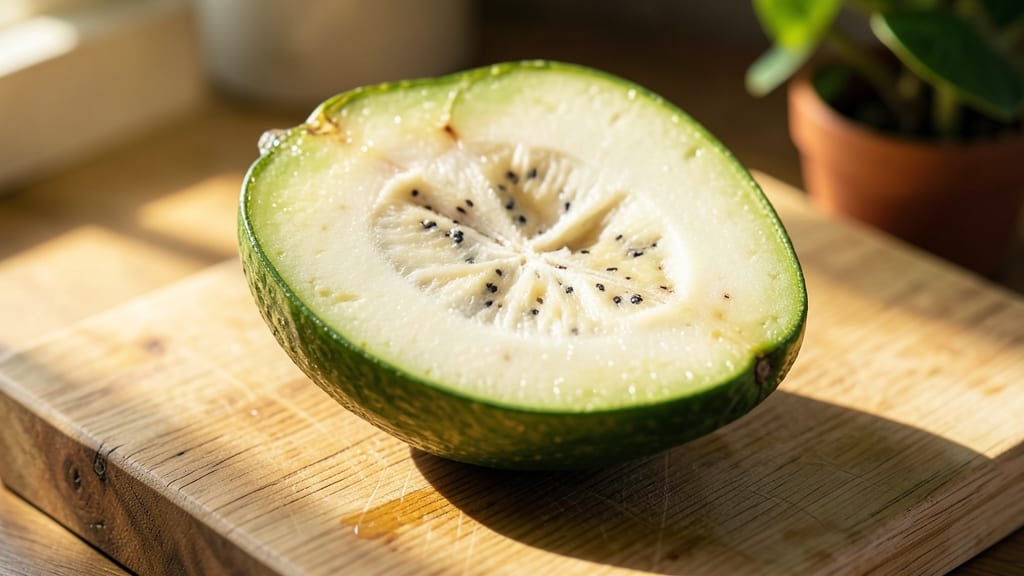
Florida’s subtropical climate nurtures fruits you won’t find anywhere else in the U.S. These 10 rare varieties—from tangy citrus hybrids to exotic tropical gems—are perfect for adventurous gardeners and foodies alike.
Mango Citrus Hybrid Fruit
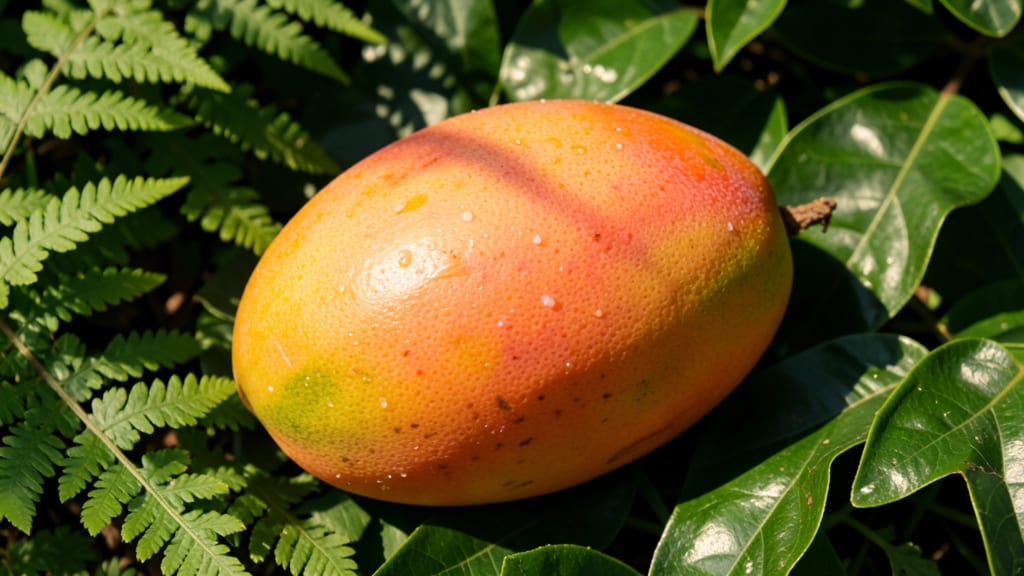
Imagine biting into a fruit that blends the tropical sweetness of a mango with the zesty tang of citrus—that’s the mango citrus hybrid, a Florida gardener’s dream. This rare crossbreed thrives in the state’s humid heat, producing fruits that taste nothing like store-bought mangoes, with a complex flavor profile that’s both refreshing and addictive.
To grow these at home, plant in well-draining soil with full sun exposure (6+ hours daily) and ensure protection from strong winds. Young trees benefit from regular watering, while mature trees develop drought tolerance. The fruits typically ripen in late summer to fall, offering a harvest window that extends beyond commercial mango seasons.
Perfect for home orchards, this hybrid is ideal for gardeners who love experimental fruit varieties and want to stand out at harvest time. 🌟
Jaboticaba Purple Grape Tree Fruit
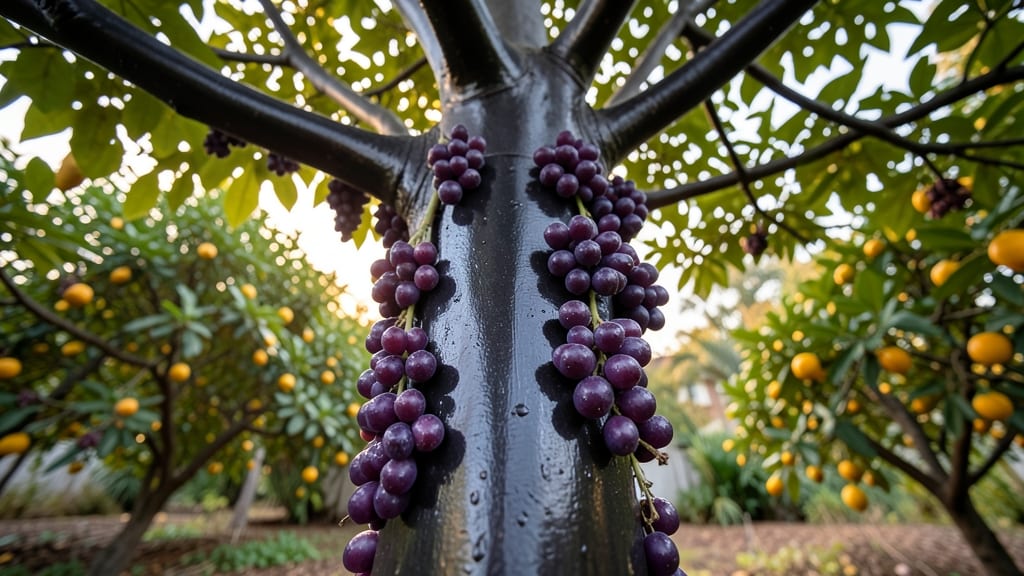
Imagine a fruit tree where the harvest grows straight from the trunk—no branches needed! The jaboticaba is a Brazilian native that produces clusters of deep purple grapes directly on its smooth bark, offering a flavor that blends lychee and grape. This quirky tree thrives in Florida’s warm climate and can even grow in containers, making it ideal for small yards or balconies.
To cultivate jaboticaba, plant it in well-draining soil with partial shade to protect the fruit from sunburn. It prefers humid conditions and benefits from regular watering during dry spells. The tree typically flowers and fruits twice a year, with each cluster containing 2-3 grapes. Harvest when the fruit turns a rich purple and feels slightly soft to the touch.
This fruit is a game-changer for urban gardeners or anyone with limited space, offering both a visual spectacle and a unique taste. Plus, its lychee-like flavor makes it a standout for fruit lovers looking to try something different. 🌟
Sugar Apple (Annona Squamosa)
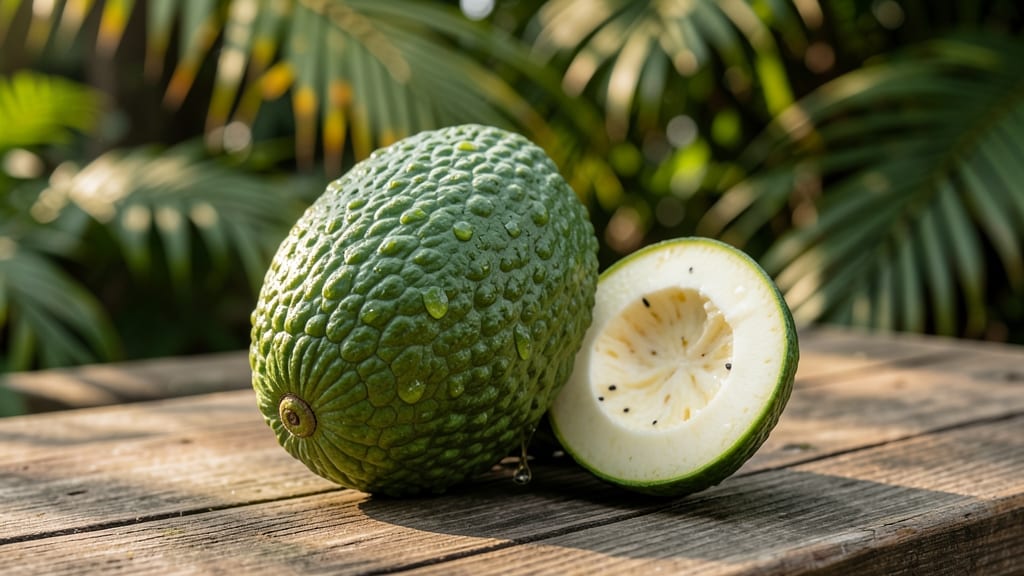
Imagine biting into a fruit that tastes like custard meets pineapple—that’s the magic of the sugar apple (Annona squamosa). Unlike its more common cousin, the custard apple, this tropical gem thrives in Florida’s humid summers and delivers a snow-white, creamy flesh that’s perfect for fruit salads, smoothies, or simply eating fresh.
To grow sugar apples, plant them in well-draining soil with partial shade (they tolerate heat but appreciate afternoon shade in Florida’s peak sun). These small trees (6-10 feet tall) produce fragrant white flowers followed by green, scaly-skinned fruits that ripen in 6-8 months. Harvest when the skin turns yellowish-green and slightly soft to the touch—overripe fruits can get mealy.
This fruit is a dream for dessert lovers and urban gardeners with small yards, as it adapts well to containers. Plus, its year-round flowering means multiple harvests if you’re lucky! 🌱
Florida Royal Palm Fruit
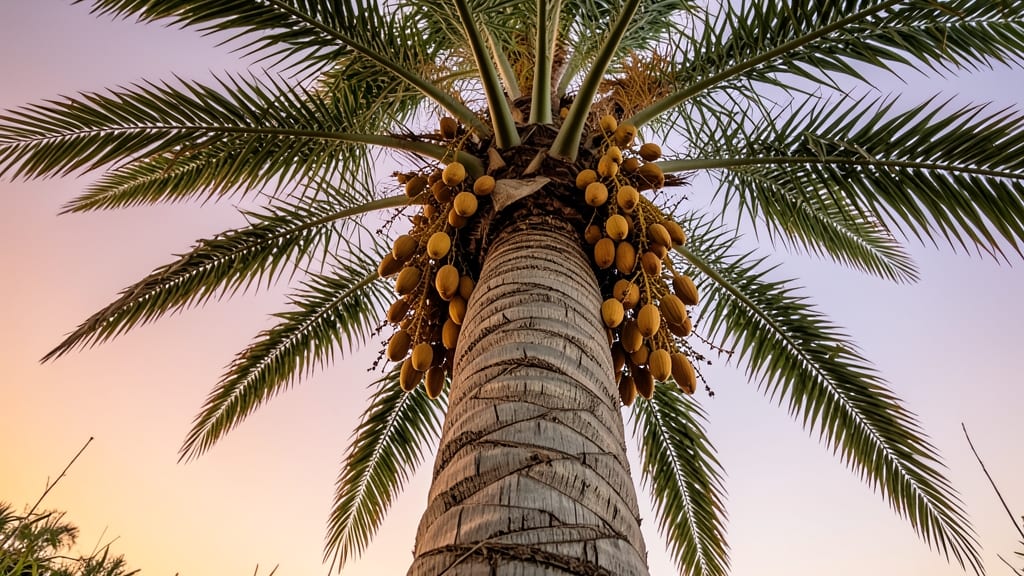
Want to forage for fruit without leaving your backyard? The Florida Royal Palm (Roystonea regia) produces edible, date-like fruits that are surprisingly easy to spot—and harvest—once you know where to look. These small, golden-brown fruits grow in clusters along the palm’s trunk, offering a unique foraging opportunity in Florida’s native landscapes.
These fruits are rich in fiber and have a sweet, nutty flavor when ripe, making them a great snack straight from the tree. To cultivate your own, plant the palm in well-draining soil with full sun exposure (6+ hours daily). They thrive in Florida’s USDA zones 10-11 and can even grow in urban settings if given enough space. Foraging is easiest in late summer to fall, when the fruits turn from green to golden-brown.
Perfect for beginner foragers or gardeners who want a low-maintenance, native fruit source, these palms also add tropical beauty to landscapes. Just be sure to check local regulations before harvesting wild fruit! 🌱
Starfruit (Carambola) Varieties
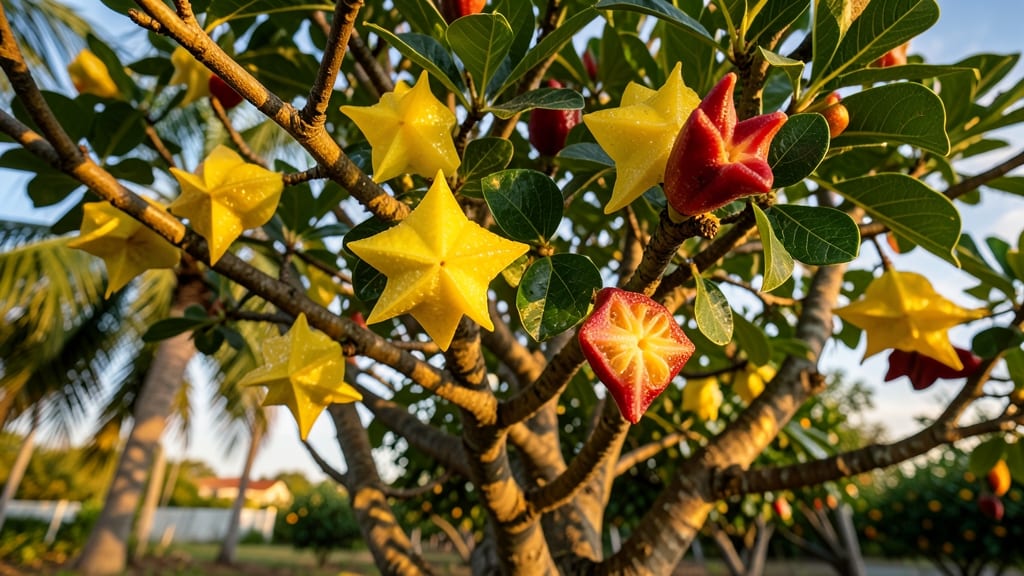
Ready to grow a fruit that’s as visually striking as it is delicious? Starfruit (Carambola) thrives in Florida’s warm climate and comes in two vibrant varieties—yellow and red—each offering a unique tart-sweet flavor perfect for fresh snacks or creative cocktails.
These tropical trees prefer full sun (6+ hours daily) and well-draining soil, making them ideal for Florida’s sandy loam. The yellow variety ripens first, while red starfruit develops a deeper flavor as it matures. Both varieties produce star-shaped fruits that add a tropical flair to any garden or plate.
Perfect for homeowners with space for small trees or urban gardeners with containers, starfruit rewards you with year-round harvests when grown in Florida’s frost-free zones. 🌟
Black Sapote (Chocolate Pudding Fruit)
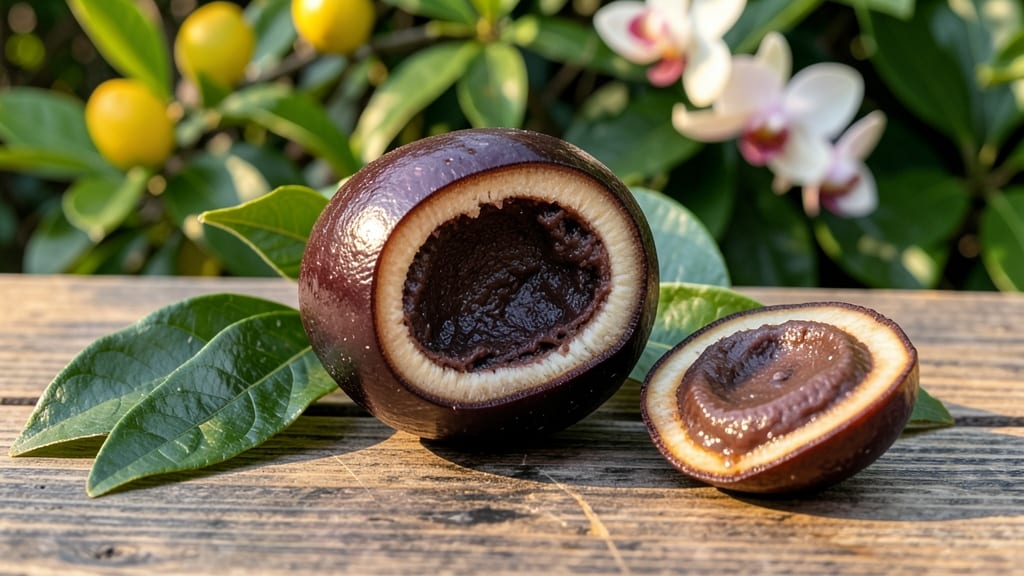
Imagine a fruit so delicious it tastes like chocolate pudding straight from the tree—that’s the magic of the black sapote! Native to Central America but thriving in Florida’s microclimates, this rare fruit is a dream for dessert lovers and adventurous gardeners alike.
To grow black sapote, plant it in well-draining soil with partial shade (especially in hotter Florida zones) and protect young trees from frost. It takes about 3-5 years to bear fruit, but once established, it produces glossy dark fruits that ripen to a custard-like texture with a rich, cocoa flavor. Harvest when the skin turns deep purple-black and slightly soft to the touch.
This fruit is perfect for gardeners in South Florida or microclimates with warm winters, offering both a unique growing challenge and a rewarding harvest. 🌟
Golden Berries (Inca Berries)
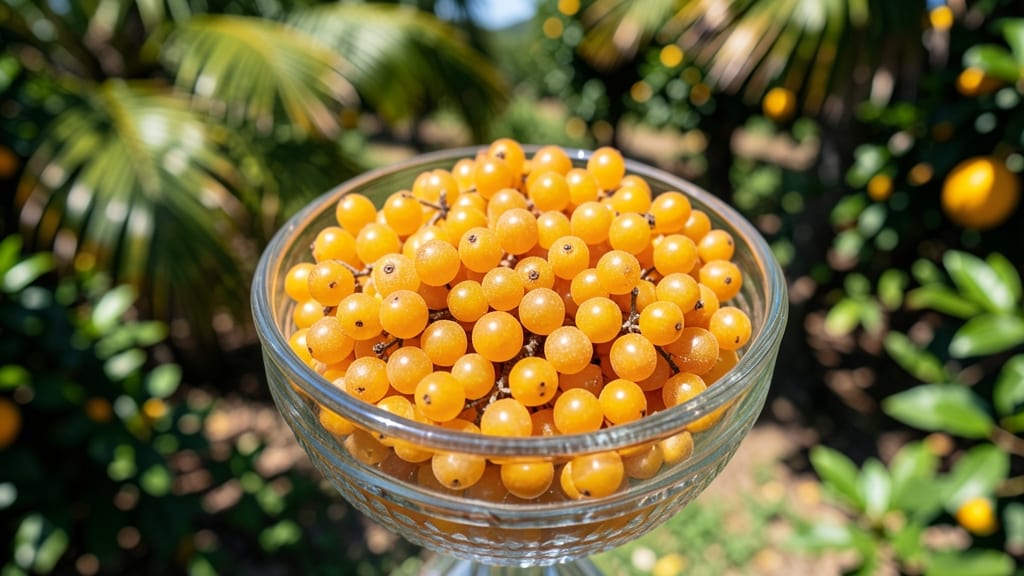
Skip the grocery store—golden berries (Inca berries) are Florida’s secret snack, bursting with citrusy-sweetness and packed with more vitamin C than an orange. These tiny, golden-orange berries thrive in Florida’s warm climate, producing year-round harvests with minimal fuss, making them perfect for containers or garden beds.
Plant in well-draining soil with full sun to partial shade, and water regularly during fruiting seasons. The vines are vigorous but manageable, producing clusters of berries that ripen in just 60-90 days after flowering. Snack fresh, toss into salads, or freeze for later—each berry is a tangy, juicy burst of sunshine.
Ideal for urban gardeners or health-conscious growers, these berries are a low-maintenance powerhouse of flavor and nutrition. 🌻
Mangosteen Fruit
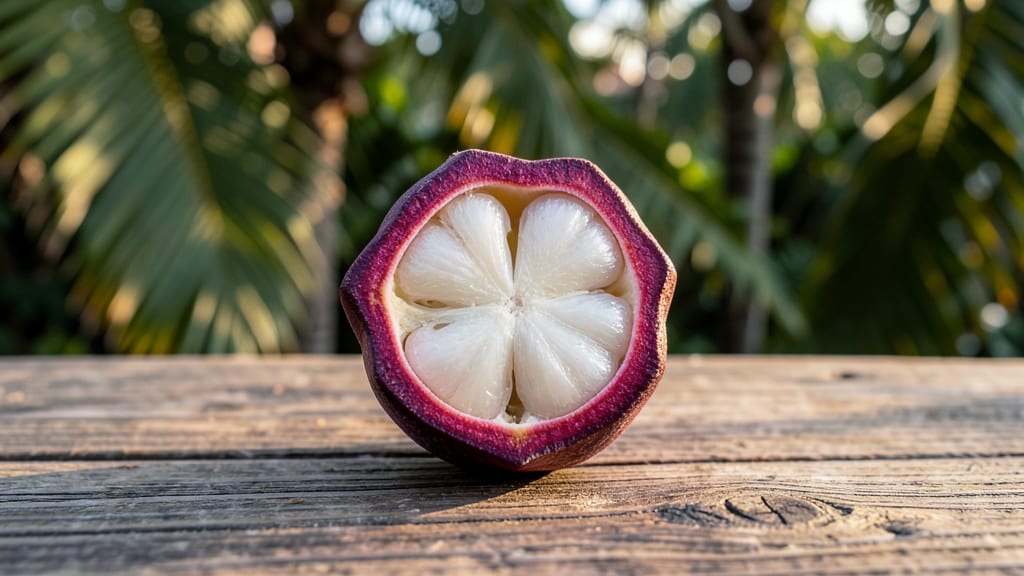
If you’ve ever dreamed of growing a fruit so luxurious it’s called the "queen of fruits", mangosteen is your answer—and Florida’s climate makes it surprisingly achievable. Unlike most tropical fruits with inedible rinds, mangosteen’s deep purple exocarp is entirely safe to eat, offering a sweet-tart surprise beneath its glossy skin.
Plant mangosteen in well-draining, slightly acidic soil (pH 4.5–6.5) with partial shade to protect it from harsh afternoon sun. Young trees need consistent moisture, while mature plants thrive in Florida’s humid heat with minimal watering. The reward? Juicy white segments with a flavor like a mix of peach, strawberry, and citrus—perfect for fresh eating or garnishes.
Ideal for adventurous gardeners with shaded spots, mangosteen trees also make stunning ornamental plants. Just be patient—it takes 5–7 years for trees to bear fruit, but the wait is worth it for this tropical treasure. 🌷
Florida Wild Blueberries
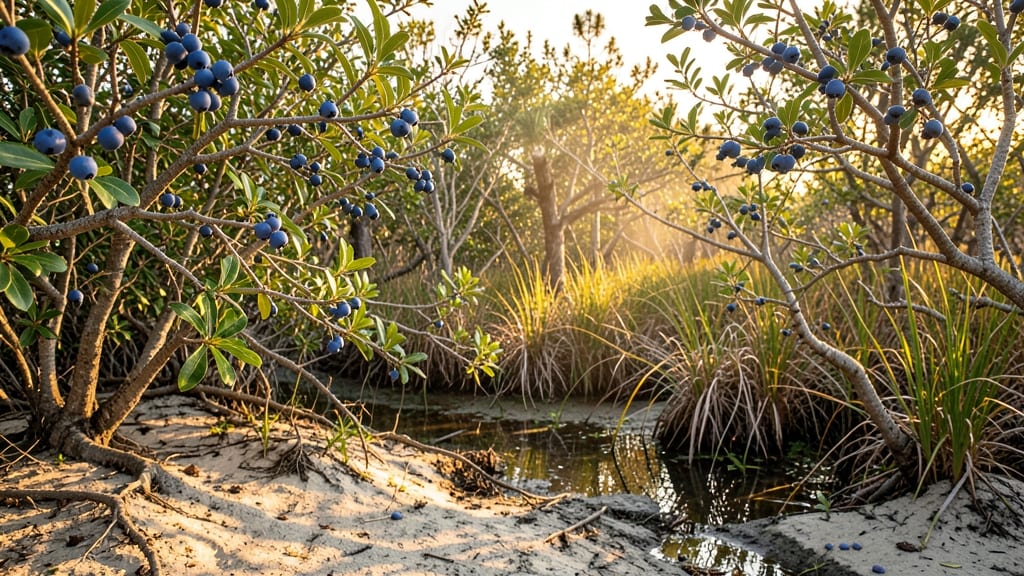
Skip the grocery store aisle and head into Florida’s wetlands for wild blueberries—tiny but mighty powerhouses packed with 24x more antioxidants than their commercial cousins. These native berries thrive in the state’s sun-drenched swamps and sandy soils, offering a sweeter, more complex flavor perfect for foraging or cultivating in small garden beds.
To grow them, plant Vaccinium darrowii (the Florida native species) in acidic, well-draining soil with full sun to partial shade. They’re drought-tolerant once established but appreciate consistent moisture during their first year. For best results, space plants 2-3 feet apart and prune lightly after fruiting to encourage bushier growth. Harvest in late spring to early summer when the berries turn deep blue-black.
These berries are a game-changer for health-conscious gardeners and perfect for urban spaces or container gardening. Plus, their wild, natural flavor makes them ideal for jams, smoothies, or fresh snacking. 🌻
Cherimoya (Custard Apple)

Craving a fruit that tastes like dessert in every bite? The cherimoya (Annona cherimola) delivers that dream with its creamy, banana-pineapple fusion flavor—all thanks to Florida’s mild winters. Unlike its cousin the sugar apple, cherimoya thrives in the state’s USDA zones 9-11, producing heart-shaped fruits with velvety white flesh that’s perfect for blending into smoothies or topping yogurt.
Plant this tropical tree in well-draining soil with partial shade—it loves morning sun but appreciates afternoon relief from Florida’s intense heat. Cherimoya trees grow 15-20 feet tall, so give them space or prune to keep them manageable. The key to success? Cross-pollination—plant two trees for better fruit set. With patience (fruits take 1-2 years to appear), you’ll enjoy a harvest from fall through winter, just as Florida’s weather cools down.
This fruit is a game-changer for smoothie lovers and gardeners who want something truly unique. Just be prepared for its scaly green skin—it’s as striking as the flavor inside! 🌻