
Vegetables
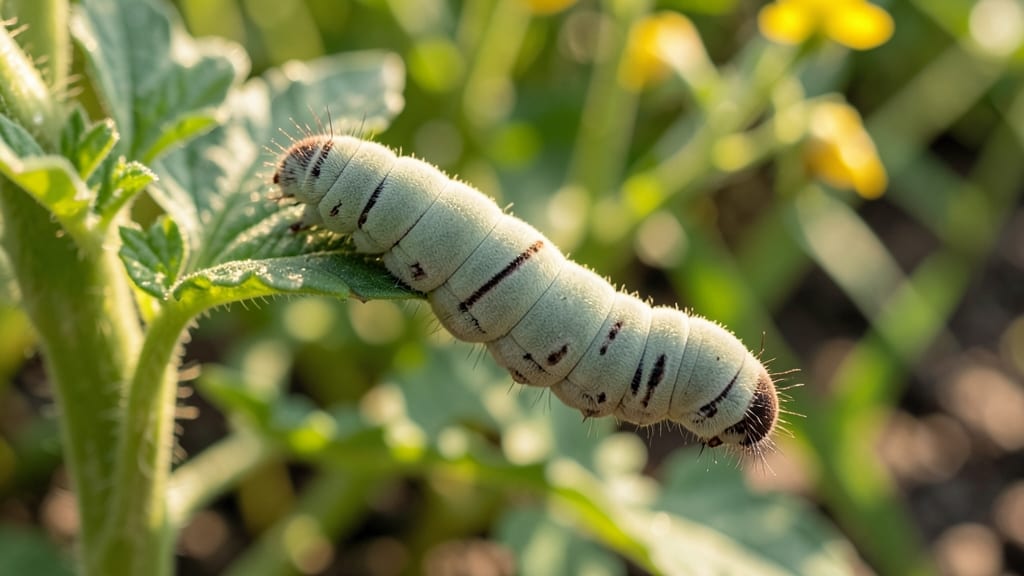
Tomato fruitworm larvae turn your ripening tomatoes into a Swiss-cheese mess of holes and rot. 🌱 I’ve watched my prized heirloom tomatoes go from plump and perfect to ruined in just a few days—until I learned these organic spray solutions that actually work.
The culprits are green, fuzzy caterpillars that burrow inside fruit, leaving behind a trail of damage. They hatch from tiny white eggs laid on leaves and stems, and by the time you spot the first holes, it’s often too late for the tomato.
But there’s hope: neem oil, Bt spray, and handpicking can stop them in their tracks without harsh chemicals. You’ll save 80-90% of your tomatoes with consistent treatment—just spray every 5-7 days during peak season (late summer to early fall) and check plants daily for new eggs.
The key is acting fast: once larvae hide inside fruit, they’re nearly impossible to reach. Works for home gardeners, container growers, and even small-scale farmers. Let’s get those tomatoes back to their full, healthy potential.
Root Causes Of Worm Infestations
When tomato fruitworm larvae turn your lush tomato plants into a buffet, it’s rarely just bad luck—there’s usually a mix of environmental, biological, and even human factors at play.
Understanding these root causes is the first step to outsmarting these pests and keeping your garden thriving. Here’s why these tiny invaders show up when they do:
Tomato fruitworms (Helicoverpa zea and Spodoptera exigua) have a knack for sniffing out ripe, soft, or injured fruit. Their larvae are drawn to:
- Overripe tomatoes: As fruit ripens, it releases sugars and volatile organic compounds (VOCs) that act like a dinner bell. 🍅🔥 Pro tip: Harvest tomatoes promptly—don’t let them linger on the vine past their prime.
- Physical damage: Cracks, bruises, or punctures from hail, birds, or even rough handling expose the flesh, making it easier for moths to lay eggs. 🦅💥 Pro tip: Use row covers or netting to shield fruit from external damage.
- Volatile emissions: Studies show that wounded plant tissue releases ethylene gas, which accelerates ripening—and signals pests that “all-you-can-eat” is happening. 🌡️
Fruitworms thrive in gardens where plants are dense, untended, or overwatered. Here’s why:
- Thick foliage: Heavy canopies provide shade and moisture, mimicking the natural habitat of their moth parents. 🌳💧 Pro tip: Prune plants to improve airflow and reduce humidity near the fruit.
- Weeds and debris: Overgrown areas offer shelter for pupating larvae and adult moths. 🪰🌱 Pro tip: Keep a 2–3 foot “clean zone” around tomato plants to eliminate hiding spots.
- Excess nitrogen: Lush, fast-growing plants are more attractive to pests. 💪🌱 Pro tip: Balance your soil with potassium-rich fertilizers to strengthen plant defenses.
Tomato fruitworm moths are strategic. They time their egg-laying to maximize larval survival, often targeting:
- Warm nights: Moths are most active when temperatures hover between 70–85°F (21–29°C). 🌡️🌙 Pro tip: Use reflective mulch or row covers to disrupt their nighttime activity.
- Early morning dew: Moisture softens fruit, making it easier for newly hatched larvae to burrow in. 💦☀️ Pro tip: Water plants in the early morning to allow foliage to dry by evening.
- Crop rotation gaps: If you’ve grown tomatoes, corn, or cotton in the same spot recently, moths may already be in the soil, waiting for fresh hosts. 🌾🔄 Pro tip: Rotate crops annually and avoid planting susceptible plants in the same family consecutively.
In a healthy ecosystem, predators like parasitic wasps, birds, and beneficial nematodes keep fruitworm populations in check. But when these allies are missing, larvae flourish. Common disruptions include:
- Pesticide overuse: Broad-spectrum chemicals kill both pests and their natural enemies. 🚫💊 Pro tip: Opt for targeted organic sprays (like Bacillus thuringiensis) that spare beneficial insects.
- Monoculture gardening: Planting large blocks of the same crop reduces biodiversity, leaving fewer predators to patrol. 🌾🌱 Pro tip: Interplant tomatoes with basil, marigolds, or nasturtiums to attract predator insects.
- Urban or isolated gardens: Fewer wild predators mean fewer checks on moth populations. 🏙️🐦 Pro tip: Install birdhouses or bat boxes to encourage natural pest control.
Proven Ways to Outsmart Wormy Tomatoes
If your tomato plants are under siege by tomato fruitworm larvae, don’t despair—there are effective, organic ways to reclaim your harvest. The key is acting fast with targeted solutions tailored to the cause.
Below, we break down the most common triggers and the best fixes, from quick fixes to long-term prevention.
Larvae start as tiny eggs laid on leaves or fruit. If you spot:
- Holes or chewed fruit → Larvae are already inside.
- Black or brown frass (poop) in tomatoes → A sure sign of infestation.
- Wilting or deformed leaves → Larvae may be feeding on stems.
Fix: Inspect plants weekly, especially after dusk (when moths lay eggs). Remove affected fruit immediately and crush larvae to prevent spread. 🔪
Chemical pesticides can harm beneficial insects and leave residues. Instead, try these DIY sprays that disrupt larvae life cycles:
🔥 Bacillus thuringiensis (Bt) – The Gold Standard
Best for: Young larvae (not eggs). Safe for bees and humans.
- Mix 1 tsp Bt powder per quart of water (follow label instructions).
- Spray evenly on leaves and fruit, focusing on undersides where eggs hide.
- Reapply every 7–10 days or after rain.
- Pro tip: Spray at dusk to avoid harming pollinators. 🌙
🍳 Neem Oil – Double Duty Repellent
Best for: Eggs and young larvae. Also deters adult moths.
- Combine 1 tbsp neem oil + 1 tsp mild soap + 1 quart water.
- Shake well and spray directly on leaves and fruit.
- Reapply every 5–7 days (neem breaks down quickly).
- Warning: Avoid spraying in direct sun (can burn leaves). ☀️
👨🍳 Spinosad – Fast-Acting but Use Sparingly
Best for: Severe infestations. Derived from soil bacteria.
- Dilute 1 tsp spinosad per gallon of water.
- Spray at night to protect bees.
- Use only 2–3 times per season (larvae can build resistance).
Sometimes, the simplest solutions work best. Block access to eggs and larvae:
🔥 Row Covers – The Ultimate Shield
Best for: Prevention during moth flight season (spring/summer).
- Cover plants with fine mesh (0.6mm or smaller) before moths appear.
- Secure edges with soil or weights to prevent gaps.
- Remove covers when flowers appear to allow pollination (or hand-pollinate). 🐝
🍳 Hand-Picking & Destruction
Best for: Small gardens or early infestations.
- Check fruit daily for larvae (especially green tomatoes).
- Drop larvae into soapy water or crush them in a sealed bag.
- Pro tip: Wear gloves—some gardeners report skin irritation from tomato fruitworm hairs. 🧤
🥘 Sticky Traps for Adult Moths
Best for: Reducing egg-laying opportunities.
- Hang yellow or green sticky traps near plants.
- Place traps 1–2 feet above ground (where moths fly).
- Replace traps every 2 weeks or when covered in moths.
Stopping larvae at the source means disrupting their life cycle. Try these habits:
💡 Crop Rotation & Garden Hygiene
Moths return to the same spots yearly. Shake things up:
- Rotate tomato plant locations every year (avoid planting in the same spot for 3 years).
- Remove all plant debris in fall (larvae pupate in soil).
- Plant traps crops like basil or marigolds to lure moths away. 🌼
🌡️ Companion Planting: Nature’s Pest Control
Some plants repel moths or attract predators:
| Plant | How It Helps |
|---|---|
| Basil | Masks tomato scent, confuses moths. |
| Nasturtiums | Trap adult moths; edible and colorful! |
| Dill or Fennel | Attracts parasitic wasps that eat larvae. |
| Garlic or Onions | Natural repellent; plant at garden edges. |
✨ Timing & Variety: Outsmart Their Schedule
Tomato fruitworms have 2–3 generations per year. Stay ahead:
- Plant early-season varieties (e.g., 'Stupice' or 'Mountain Merit') to harvest before peak moth activity (July–August).
- Use pruning shears to remove suckers—larvae hide in dense foliage. ⏳
- Harvest green tomatoes and ripen indoors if infestation is severe.
Remember: Consistency is key. Combine 2–3 methods (e.g., Bt spray + row covers + companion plants) for the best results. With patience, your tomato plants can thrive—worm-free and bountiful! 🍅✨
Frequently asked questions
How do I tell if my tomato plants have fruitworm larvae?
Look for tiny holes in tomatoes (especially green ones) and black frass (poop) inside the fruit. Check leaf undersides for tiny white eggs or green caterpillars—these are key signs. Larvae also cause wilting or deformed leaves when feeding on stems.
Can I use Bt spray on ripe tomatoes?
Yes, but apply it early in the morning so it dries before bees pollinate flowers. Bt is safe for humans and beneficial insects once dry, but avoid spraying directly on blooms. For ripe tomatoes, focus on leaves and stems where eggs are laid.
Will neem oil kill existing larvae inside tomatoes?
No—neem oil only works on eggs and young larvae before they burrow in. Once inside fruit, larvae are protected. Use neem as a preventive spray on leaves and stems every 5-7 days during peak season (June-August).
How long does it take for tomato fruitworm moths to lay eggs after emerging?
Female moths can lay eggs within 24 hours of emerging, often at dusk. They prefer to deposit eggs on lower leaves and fruit, so inspect these areas daily. Eggs hatch in 3-5 days, so early detection is critical.
Are tomato fruitworm larvae harmful if eaten?
They're not toxic, but they can cause stomach upset due to their hairs (which may irritate skin). To be safe, always remove any visible larvae before eating tomatoes. Cooking kills them, but the holes and frass remain—so check thoroughly!