
Companion Plants
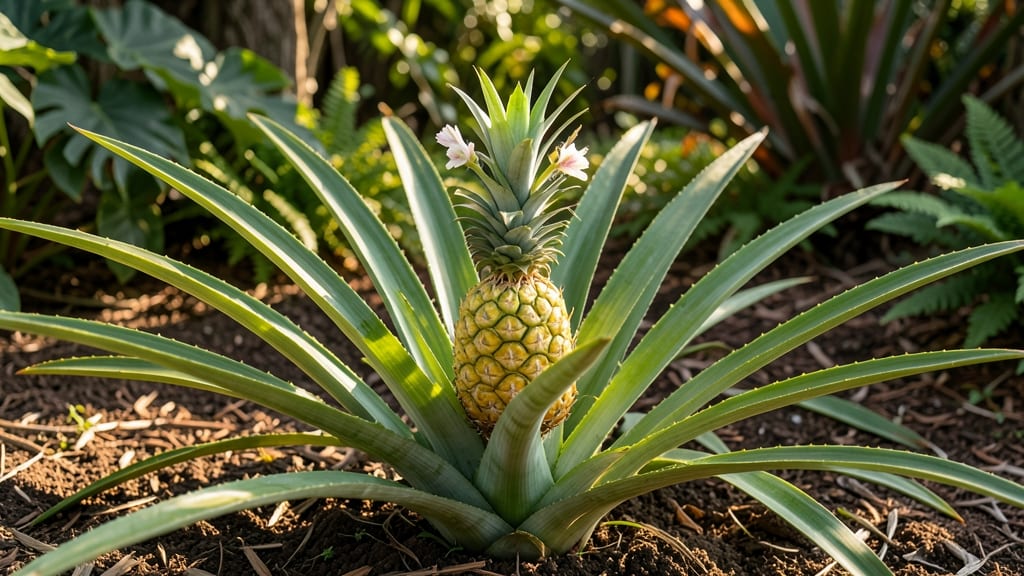
The stems and fruits of pineapple plants are where the real magic happens—where a single leaf crown can become a whole new plant, and where months of care finally reward you with that sweet, golden fruit. 🌱 I’ve grown pineapples in containers for years, and the difference between a struggling vine and a thriving one comes down to three things: light, soil, and patience.
Most people give up after the first year because they don’t realize how slowly pineapples mature—but once you see that first flower spike, it’s worth every wait.
Pineapple plants need bright, indirect light for at least 6-8 hours a day, and they’ll tell you when they’re unhappy—yellowing leaves mean they’re begging for more sun. The soil should be well-draining, slightly acidic, and packed with organic matter to keep roots happy.
I use a mix of 50% peat moss, 30% perlite, and 20% compost, and I’ve never had a root rot issue since. The real trick? Pruning old leaves to redirect energy into fruit production—just don’t go overboard, or you’ll stunt growth.
By the time your pineapple plant sends up that first flower spike, you’ll know you’re on the right track—it takes 18-24 months from planting to harvest, but the journey is half the fun.
The fruit itself starts small and hard, but as it ripens, it softens and sweetens until it’s bursting with tropical flavor. The best part? You can propagate new plants from the leaf crown at the base of the fruit, giving you free plants for years to come.
Whether you’re growing in a sunny balcony container or a greenhouse, these same principles apply. The key is consistency—water when the top inch of soil is dry, fertilize lightly every 4-6 weeks, and protect from drafts.
Once you master this, you’ll have pineapples growing year-round, and neighbors will think you’ve got a secret tropical garden. Let’s get those vines thriving!
📚 In This Guide
- What you need
- Instructions
- Tips and common mistakes
- Wrapping up and next steps
What you need
- ● Mature pineapple fruit (1-2): Choose a ripe, firm pineapple with a healthy crown (top leaves). Avoid bruised or overly soft fruits.
- ● Pineapple stem cuttings (1-3): If using stems, select healthy, leafy sections (4-6 inches long) with a small portion of the base still attached to the fruit.
- ○ Rooting hormone (optional but recommended): A powder or gel to boost root growth (e.g., Rootone or Dip 'N Grow).
- ● Well-draining potting mix (1-2 bags): A blend of 50% peat moss or coconut coir, 30% perlite or vermiculite, and 20% sand or orchid bark. Avoid heavy garden soil!
- ● Small pots (3-4 inches in diameter, 2-4): Use pots with drainage holes to prevent root rot.
- ● Spray bottle (1): For misting cuttings and maintaining humidity.
- ● Clear plastic bag or humidity dome (1): Helps create a mini greenhouse effect for faster rooting.
- ● Scissors or sharp knife (1): Sterilized for clean cuts.
- ● Aluminum foil or plastic wrap (1 roll): To cover the base of the cutting and protect it from moisture loss.
- ● Liquid fertilizer (balanced, 5-5-5 or 10-10-10): Dilute to half-strength for young plants.
- ● Grow lights (LED, full-spectrum): If natural light is limited (12-16 hours/day).
- ● Thermometer/hygrometer (1): To monitor temperature (70-85°F) and humidity (50-70%).
- ● Compost or worm castings (small bag): For nutrient-rich soil amendments once rooted.
- ● Pineapple companion plants (e.g., basil, mint, or marigolds): To deter pests naturally.
How to encourage healthy stems and fruits on your pineapple plant
Growing pineapples at home is easier than you think—here’s how to coax those iconic fruits from your tropical plant.
🌱 Step 1: Select and Prepare a Strong Starter Plant
Start with a healthy pineapple plant from a nursery or propagate your own from a store-bought fruit. I always choose plants with thick, upright stems and at least 3-4 leaves—thinner stems struggle to support fruit. If using a crown (the leafy top of a pineapple), let it dry for 2-3 days before planting to prevent rot.
Plant in well-draining soil mixed with 20% perlite or sand—pineapples hate soggy roots. A 6-inch pot works for starters, but they’ll outgrow it fast. Place the plant in a spot with bright, indirect light (no harsh midday sun yet). You’ll know it’s happy when new leaves emerge within 4-6 weeks.
☀️ Step 2: Provide Ideal Light and Temperature
Pineapples thrive in warmth (70-85°F) and need 6+ hours of direct sunlight daily. If indoors, a south-facing window or grow light is best. I’ve seen plants stretch toward light and grow leggy—this means they’re not getting enough. Rotate the pot quarter-turn weekly so growth stays even.
Outdoor plants handle light frost briefly but die back if temps drop below 32°F. If you live in a colder zone, bring potted plants inside before winter. Watch for yellowing leaves—this signals either too much sun or underwatering. Adjust care based on what you see.
💧 Step 3: Water and Fertilize for Fruit Development
Water when the top inch of soil feels dry, but never let the plant sit in water. Overwatering causes root rot, which kills the plant before it fruits. I use a moisture meter to check—it’s worth the investment. Fertilize monthly with a balanced 10-10-10 or 20-20-20 formula during growing season (spring to fall).
Once the plant is 1-2 years old and has 12+ leaves, it’s ready to fruit. Look for a reddish flower spike emerging from the center—this is your signal! If no spike appears after a year, the plant may need more light or warmer temps. A small fruit will form at the base of the spike—this is your pineapple in the making!
✂️ Step 4: Prune and Support for Bigger Harvests
Prune dead or yellow leaves with clean scissors to redirect energy to fruit production. Never cut more than 1/3 of the plant at once—this stresses the vine. I also remove any side shoots (pups) that form at the base, unless you want extra plants. These pups drain energy from the main fruit.
Support heavy fruit with a small stake if needed. A mature pineapple can weigh 2-4 pounds, and the stem may bend. Harvest when the fruit is fully yellow with a slight red blush and smells sweet at the base. Cut the stem 1 inch above the fruit—this prevents rot from lingering on the plant.
🌿 Step 5: Propagate and Repeat for Year-Round Fruit
After harvesting, the plant may produce 1-2 pups at the base. These are baby pineapple plants! Gently twist them off and let the cuts dry for 1-2 days before repotting in fresh soil. Pups take 1-2 years to fruit, but they’re free plants—what’s not to love?
With proper care, your pineapple plant can live for 5+ years and produce multiple fruits. The key is patience—rushing light or watering kills the plant before it rewards you. But when that first sweet, tropical fruit ripens on your windowsill? It’s worth every wait.
Tips & tricks for thriving pineapple plant stems and fruits
Here's what nobody tells you about growing pineapple plants that actually produce fruit.
Starter Plant Selection: When choosing your pineapple plant, pay close attention to the stem thickness—it should be sturdy enough to support the weight of a 2-4 pound pineapple. I've seen too many gardeners pick thin-stemmed plants that snap under the fruit's weight. Also, look for plants with at least 12 leaves before expecting fruit, not just the initial 3-4 mentioned in Step 1.
Light Rotation Strategy: The quarter-turn weekly rotation mentioned in Step 2 is crucial, but don't stop there. If you notice your plant leaning dramatically toward one light source, it's getting insufficient light overall. Consider supplementing with a grow light for 4-6 hours daily, especially in winter months when natural light diminishes. This ensures even growth and prevents leggy stems.
Temperature Transition: When moving your pineapple plant outdoors in warmer months, do it gradually. I've learned this the hard way—suddenly exposing plants to full sun after indoor conditions can cause sunburn on the leaves. Start with 2-3 hours of morning sun and gradually increase exposure over 7-10 days. The 70-85°F range is ideal, but remember that sudden temperature drops below 32°F can be fatal.
Fertilizer Timing: The monthly fertilization schedule works well, but I've found that pineapple plants respond even better to a slightly different approach. In spring and summer, when growth is most active, fertilize every 3 weeks instead of monthly. During fall and winter, when growth slows, reduce to every 6-8 weeks. This matches the plant's natural growth cycles and prevents over-fertilization that can burn roots.
Pro Tips for The Stems And Fruits Of Pineapple Plants
- Here's what nobody tells you about growing pineapple plants that actually produce fruit.
- Starter Plant Selection: When choosing your pineapple plant, pay close attention to the stem thickness—it should be sturdy enough to support the weight of a 2-4 pound pineapple.
- Light Rotation Strategy: The quarter-turn weekly rotation mentioned in Step 2 is crucial, but don't stop there.
Frequently asked questions
Got questions about growing and harvesting pineapple plants? You’re not alone! Here are some of the most common queries—plus quick, actionable answers to keep your tropical vines thriving.
Can I grow pineapples from store-bought fruit?
The crown (top) of a store-bought pineapple can root and grow into a new plant. Just remove the leaves, let the base dry for a day, and plant it in well-draining soil. With patience (18–24 months), you’ll get a fruit—but expect it to be smaller than grocery-store varieties.
How long does it take for a pineapple plant to produce fruit?
Pineapple plants are slow but rewarding. From seed or crown, it takes 18–24 months for a mature plant to flower and fruit. Speed it up by providing full sun, warm temps (70–85°F), and occasional fertilizer (low-nitrogen, high-potassium). Patience pays off with a sweet harvest!
What do I do if my pineapple plant flowers but doesn’t fruit?
If flowers appear but no fruit develops, check these fixes:
- Pollination: Pineapples are self-pollinating, but wind or gentle shaking can help. Try brushing a paintbrush on the flowers.
- Nutrients: Lack of potassium or phosphorus can stall fruiting. Use a balanced fertilizer (like 10-10-10) every 4–6 weeks.
- Stress: Overwatering or temperature drops (below 50°F) can cause flower drop. Keep conditions stable!
Can I replant pineapple stems after harvesting the fruit?
Yes! After cutting the fruit, the remaining stem (called a slip) can regrow into a new plant. Plant the slip in moist soil, keeping it warm and humid. It’ll take 12–18 months to mature. For faster results, use the crown (top leaves) or pups (side shoots) instead—they root quicker!
How do I protect pineapple plants in cold climates?
Pineapples thrive in warmth but can survive brief cold snaps with these tricks:
- Move potted plants indoors or to a greenhouse when temps drop below 50°F.
- Mulch outdoor plants heavily with straw or leaves to insulate roots.
- Cover plants with frost cloth if frost is forecasted.
If your plant freezes, it may recover from the base—just trim dead leaves and wait for new growth!
Wrapping up and next steps
From propagating pineapple stems to nurturing juicy, vibrant fruits, your tropical journey doesn’t have to end with one harvest—it’s just the beginning! 🌱 Whether you’re a seasoned gardener or a curious beginner, these year-round hacks unlock the secret to thriving pineapple vines and bountiful rewards.
Ready to turn your green thumb into a tropical oasis?
Your next step? Experiment with companion plants like mint or basil to boost growth, or share your newfound skills with fellow plant lovers. The tropical paradise starts with you—so grab those stems and let nature’s sweetness flourish! 🍍✨