
Size
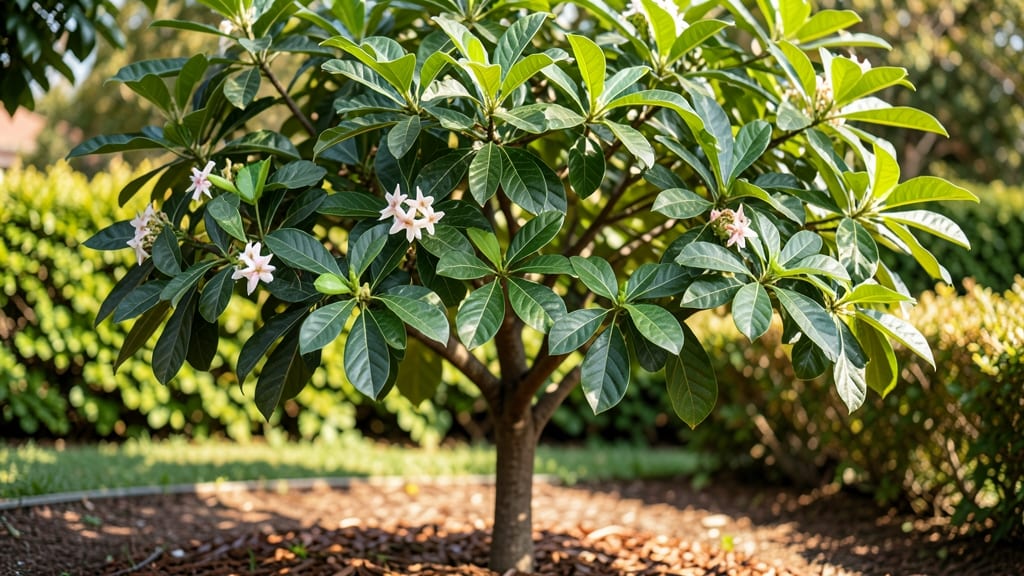
Growing starfruit in your garden delivers year-round tropical fruit with vines that spread faster than you might expect. ✨ The key is mimicking its native subtropical climate—warm days, high humidity, and just the right soil mix.
I’ve grown mine in Florida’s heat and seen them produce fruit twice a year, and with the right approach, you can too, even in milder zones with winter protection.
Starfruit thrives in well-draining, slightly acidic soil (pH 5.5–6.5) and needs full sun—at least 6–8 hours daily—to set fruit. Plant in spacious containers (15+ gallons) or in-ground with 10–15 feet between trees to give roots room to stretch.
The vines grow aggressively, so prune in late winter to shape them and encourage airflow, which cuts down on fungal issues.
Water deeply 2–3 times per week during dry spells, but avoid soggy soil—starfruit hates wet feet. Harvest when fruit turns bright yellow and yields slightly to gentle pressure, usually 12–18 months after planting.
The star-shaped slices make it a showstopper in salads or as a refreshing snack, and the trees reward patience with low-maintenance productivity once established.
For cooler climates, grow in large pots you can move indoors or under cover in winter. Young trees are frost-sensitive, so protect them until they’re 3+ years old.
The biggest mistake? Over-fertilizing with nitrogen—it boosts leaves but starves the fruit. Stick to a balanced 10-10-10 in early spring and you’ll see better yields. Ready to grow yours?
📚 In This Guide
- What you need
- Instructions
- Tips and common mistakes
- Wrapping up and next steps
What you need
- ● Starfruit seeds or cuttings: 3–5 seeds (if starting from scratch) or 2–3 healthy cuttings (6–12 inches long) from a mature starfruit plant.
- ● Well-draining potting mix: 5–10 gallons (for containers) or enriched garden soil (for in-ground planting). Mix with perlite or coconut coir for aeration.
- ● Organic fertilizer: Balanced 10-10-10 or citrus-specific fertilizer (1–2 lbs per plant). Slow-release options work best.
- ● Mulch: Wood chips or straw (2–3 inches thick) to retain moisture and regulate soil temperature.
- ● Garden trowel or shovel: For planting and transplanting.
- ● Pruning shears: Sharp, sterilized shears for trimming vines and shaping the plant.
- ● Watering can or hose with a gentle spray nozzle: Starfruit loves moisture but hates soggy roots!
- ● Support trellis or stakes: 6–8 feet tall (starfruit vines can grow aggressively!). Use bamboo stakes or a sturdy wire mesh.
- ○ pH testing kit (optional): Ideal soil pH: 6.0–7.0. Adjust with lime (to raise pH) or sulfur (to lower it) if needed.
- ● Climate: Starfruit thrives in USDA Zones 10–12 or warmer microclimates (e.g., greenhouses in cooler areas). Minimum temps: 40°F (4°C)—frost will kill the plant!
- ● Sunlight: Full sun (6+ hours daily). Partial shade in extreme heat (115°F/46°C+) can help.
- ● Water access: Consistent moisture, especially during flowering/fruiting. Drought-tolerant once established but needs regular watering in containers.
- ● 🌿 Container growers: Use a pot at least 18 inches wide/deep with drainage holes to prevent root rot.
- ● 🔄 Fast-track growth: Add compost or worm castings to the planting hole for nutrient-rich soil.
- ● 🚫 Avoid: Heavy clay soil (starfruit hates waterlogging!). Amend with sand or compost if your soil is dense.
How to grow starfruit vines for year-round tropical fruit
Here's how to cultivate starfruit vines that thrive year-round with minimal fuss.
🌱 Step 1: Select the Right Variety and Planting Location
Starfruit (Averrhoa carambola) thrives in warm climates with 70-90°F temperatures year-round. For containers, choose dwarf varieties like 'Arka Surya' or 'C-35'—they produce fruit in 2-3 years instead of the standard 5-7. Plant in well-draining soil with a pH of 5.5-6.5, as acidic soil prevents fruit set.
If growing outdoors, place in full sun (6+ hours daily) with protection from strong winds. For containers, use a 15-20 gallon pot with drainage holes—starfruit roots need room to spread but hate soggy feet. I always add a 2-inch layer of gravel at the bottom to improve drainage.
☀️ Step 2: Plant and Establish the Vine
Dig a hole twice as wide as the root ball but no deeper. Gently remove the plant from its container and loosen any circling roots. Place the vine in the hole so the top of the root ball sits 1 inch below soil level—this prevents rot while allowing roots to expand.
Backfill with native soil mixed with compost, tamping lightly to remove air pockets. Water deeply until moisture reaches 12 inches down, then mulch with 2-3 inches of organic mulch (like wood chips) to retain moisture and suppress weeds. Avoid mulching too close to the stem—keep a 3-inch gap to prevent rot.
💧 Step 3: Water and Fertilize for Fast Growth
Starfruit vines need consistent moisture but hate waterlogged soil. Water 2-3 times weekly during the first year, ensuring the top 6 inches of soil stay moist. Once established, reduce to weekly deep waterings—drought stress slows fruit production. Use a soaker hose for even moisture distribution.
Fertilize every 4-6 weeks with a balanced 10-10-10 or 8-3-9 formula during the growing season (spring through fall). I switch to a low-nitrogen, high-phosphorus fertilizer (like 5-10-10) when flowers appear to encourage fruit set. Avoid high-nitrogen fertilizers—they promote leafy growth at the expense of fruit.
✂️ Step 4: Prune for Shape and Fruit Production
Prune starfruit vines annually in late winter or early spring before new growth begins. Remove dead, diseased, or crossing branches first, then thin out 1/3 of the oldest wood to encourage new growth. This keeps the vine productive and prevents overcrowding.
Train young vines along a trellis or arbor—starfruit grows 15-20 feet in ideal conditions. Prune suckers (shoots growing from the base) to direct energy upward. Once fruiting begins, prune lightly to maintain shape—heavy pruning reduces fruit yield. Harvest when fruit turns golden-yellow and feels slightly soft to the touch.
🪴 Step 5: Protect and Maintain Year-Round
Starfruit is sensitive to temperatures below 30°F. In colder climates, grow in containers and move indoors near a sunny window or under grow lights during winter. If outdoors, use frost cloth or a small greenhouse to shield the plant. Even a brief frost can damage new growth.
Watch for fruit flies and scale insects—common pests that attack starfruit. Spray with neem oil or insecticidal soap at the first sign of infestation. For containers, rotate pots quarter-turn weekly to ensure even sunlight exposure. This prevents leggy growth and keeps the vine compact and productive.
Tips & tricks for thriving starfruit vines
These simple strategies will help your starfruit vines grow faster and produce fruit year-round with minimal effort.
Climate Control: Starfruit thrives in the 70-90°F range specified, but even small temperature fluctuations can stress the plant. If you're in a hotter climate, provide afternoon shade during peak summer months to prevent heat stress. In cooler areas, a simple greenhouse or even a clear plastic cover over the pot can create that ideal microclimate without requiring constant adjustments.
Soil Science: The 5.5-6.5 pH requirement isn't just a suggestion—it's critical for fruit set. Test your soil before planting, and if it's too acidic, amend with crushed limestone. For container growing, use a pre-mixed tropical potting mix designed for citrus and similar plants. I've found that adding a handful of dolomitic lime to the planting hole helps maintain that perfect pH range for years.
Watering Wisdom: Those 2-3 weekly waterings during the first year might seem like a lot, but starfruit roots need consistent moisture to establish. I recommend using a moisture meter to check the top 6 inches—it should feel like a wrung-out sponge. Overwatering is just as bad as underwatering, so always ensure your 15-20 gallon pot has proper drainage and that excess water can escape.
Fertilizer Strategy: The switch to low-nitrogen, high-phosphorus fertilizer when flowers appear is key for fruit production. I've had success with a simple liquid seaweed fertilizer at half-strength during flowering—it provides trace minerals without overwhelming the plant. Remember to flush the soil every 3 months with plain water to prevent salt buildup from fertilizers.
Pro Tips for Starfruit Grow A Garden
- These simple strategies will help your starfruit vines grow faster and produce fruit year-round with minimal effort.
- Climate Control: Starfruit thrives in the 70-90°F range specified, but even small temperature fluctuations can stress the plant.
- Soil Science: The 5.5-6.5 pH requirement isn't just a suggestion—it's critical for fruit set.
Frequently asked questions
Got questions about growing starfruit in your garden?
You’re not alone! Here are answers to the most common queries to help you cultivate these tropical gems with confidence.
How long does it take for a starfruit tree to bear fruit?
A starfruit tree typically takes 3–5 years to produce fruit from seed, but grafted trees can bear fruit in as little as 1–2 years under ideal conditions. Patience is key—provide full sun, well-draining soil, and consistent watering to speed up the process!
Can I grow starfruit in a container, or do I need a garden?
Yes! Starfruit thrives in large containers (15+ gallons) as long as they have drainage holes. Choose a pot with a diameter of at least 24 inches to accommodate its sprawling roots. Move it outdoors in summer and bring it inside when temperatures drop below 50°F (10°C). Just ensure it gets plenty of sunlight!
Why aren’t my starfruit leaves turning yellow or dropping?
Yellowing leaves or leaf drop often signal overwatering, underwatering, or nutrient deficiencies. Check your soil—it should be moist but not soggy. Starfruit prefers slightly acidic to neutral soil (pH 6.0–7.5). If leaves curl or wilt, adjust watering or fertilize with a balanced citrus-friendly mix.
Do starfruit trees need pruning, and how do I do it?
Pruning encourages healthier growth and better fruit production. Trim dead, diseased, or crossing branches in late winter or early spring. Avoid heavy pruning—starfruit grows best with a light, open canopy. Use sterilized shears and seal larger cuts with pruning paste to prevent infections.
What’s the best way to harvest starfruit, and when is it ripe?
Harvest when fruit is firm, green, and slightly soft to the touch—usually 4–6 months after flowering. Gently twist or cut the stem (don’t pull!). Ripe starfruit should yield slightly but not feel mushy. Store in the fridge for up to 2 weeks or eat fresh for a sweet-tart burst!
Are there any pest or disease issues I should watch for?
Starfruit is generally pest-resistant, but watch for aphids, scale insects, or fungal diseases (like powdery mildew) in humid climates. Use neem oil or insecticidal soap for pests, and ensure good airflow to prevent mold. If leaves develop brown spots, reduce overhead watering.
Wrapping up and next steps
Growing starfruit in your garden is a rewarding journey that brings tropical beauty and delicious, vitamin-packed fruit right to your doorstep! With the right climate, soil, and care, these fast-growing vines can thrive year-round—offering shade, ornamental value, and a harvest that’s as satisfying as it is sweet. 🌿✨
Now that you’re armed with the tips, tools, and troubleshooting tricks, it’s time to roll up your sleeves and plant those seeds or saplings. Start small, stay patient, and soon you’ll be savoring homegrown starfruit straight from the vine. Happy gardening—and may your harvest be bountiful! 🍈🌱
- Next step: Mark your calendar for planting season (or extend your growing zone with containers!) and watch your starfruit garden flourish.