
Flowers
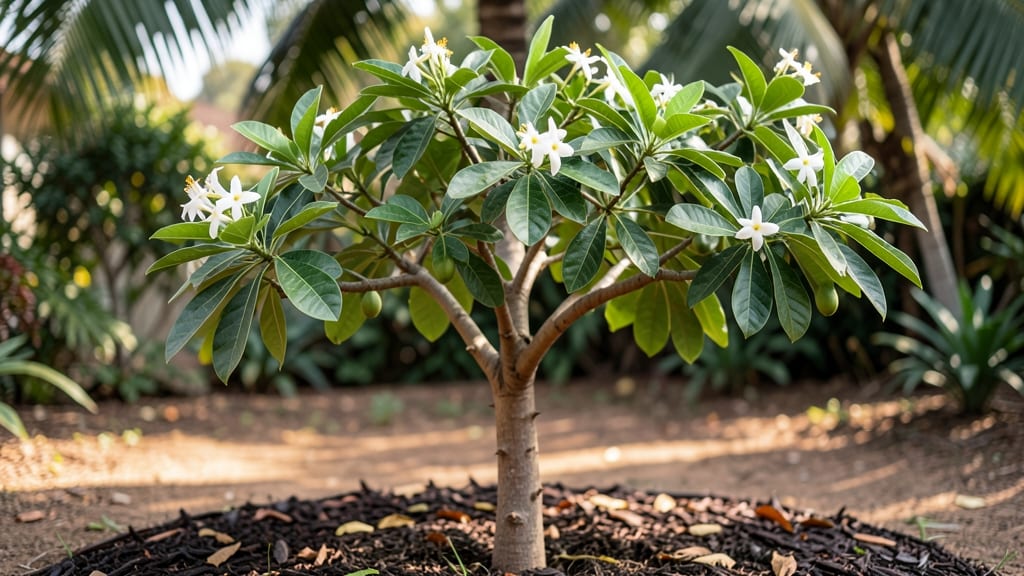
Growing star fruit flowers means your backyard could soon smell like a tropical paradise. 🌺 These fragrant blooms aren’t just pretty—they’re the first step to harvesting those signature star-shaped fruits. I’ve grown them in Florida’s heat and even in containers, and the secret to success starts with the right conditions.
The plant thrives in full sun (at least 6-8 hours daily) and well-draining soil with a slightly acidic pH. Water deeply but let the top inch dry between waterings—overwatering kills roots faster than drought.
Prune lightly after harvests to encourage new growth, and watch those delicate white flowers appear within months. Once established, you’ll get year-round blooms in warm climates, with fruit ripening in 4-6 months. The flowers attract pollinators, and the scent alone makes it worth growing.
Just watch for fruit flies and fungal spots—both love star fruit plants. Perfect for warm zones (8-11) or as a container plant in cooler areas. Here’s how to set yours up for success!
📚 In This Guide
- What you need
- Instructions
- Tips and common mistakes
- Wrapping up and next steps
What you need
- ● Star Fruit Plant: 1 healthy sapling (3–6 months old) or a mature tree (for grafting, if desired).
- ● Pro tip: Choose a grafted variety (like ‘Arka Amrit’ or ‘Fwang Tung’) for better disease resistance. 🌡️
- ● Soil: 5 gallons of well-draining, slightly acidic soil (pH 5.5–6.5).
- ● Mix in 2 parts potting soil + 1 part perlite + 1 part compost for optimal aeration.
- ● Container or Garden Space: Container: 1 large pot (15+ gallons) with drainage holes.
- ● Garden Bed: Full sun (6+ hours daily) and protection from strong winds.
- ● Fertilizer: 1 cup balanced fertilizer (10-10-10 NPK) or citrus-specific formula.
- ○ Optional: 1 tbsp Epsom salt (magnesium sulfate) monthly for vibrant blooms. ✨
- ● Pruning shears (sterilized) for shaping the plant.
- ● Mulch (straw or pine bark) to retain moisture.
- ● Humidity tray or misting bottle (for indoor setups).
- ● Pest control: Neem oil or insecticidal soap (for aphids/spider mites).
- ● Support stake (if growing in containers to prevent toppling).
Step-by-step instructions for cultivating star fruit flowers
Here's how I coax these stunning tropical blooms to thrive in any climate—no greenhouse required.
🌱 Step 1: Select and Prepare Your Star Fruit Tree
Star fruit flowers thrive on healthy, mature trees—aim for a specimen at least 3-5 years old with a sturdy trunk. I always choose grafted varieties like 'Carabao' or 'Pink Flesh' for their vigorous growth and reliable blooming. Before pruning, give your tree a deep watering to reduce stress—water the soil until it's saturated 12 inches down.
Wait until late winter or early spring when new growth begins. This timing ensures you're not removing potential flowering wood. Use sterilized pruning shears to make clean cuts just above a leaf node or bud. Remove any dead, diseased, or crossing branches first—they compete with new blooms for energy.
☀️ Step 2: Optimize Light and Temperature Conditions
Star fruit trees demand full sun exposure—at least 6-8 hours of direct sunlight daily. If your tree is in a container, move it to the sunniest spot on your patio or balcony. In hotter climates, provide afternoon shade to prevent leaf scorch, which stresses the tree and reduces flowering.
Maintain temperatures between 65-85°F—consistent warmth triggers blooming. If nights dip below 55°F, cover young trees with frost cloth or move them indoors temporarily. I've found that a small space heater near potted trees in winter keeps buds from dropping prematurely.
💧 Step 3: Fertilize for Blooming Success
Feed your star fruit tree with a balanced 10-10-10 fertilizer diluted to half-strength every 4-6 weeks during the growing season. The key is phosphorus—it's what encourages flowering. Switch to a low-nitrogen, high-phosphorus formula (like 5-10-5) when buds begin to form, usually in late spring.
Apply fertilizer to moist soil only—never dry ground. Water deeply 24 hours before and 24 hours after feeding to prevent root burn. I mix in a handful of well-rotted compost around the base monthly to improve soil structure and provide slow-release nutrients.
✂️ Step 4: Prune Strategically to Encourage Flowers
After the initial pruning, focus on light shaping cuts to improve airflow. Remove any suckers (shoots growing from the base) immediately—they drain energy from potential blooms. When new growth appears, pinch back the tips of semi-hardwood branches (those with some green but mostly brown bark) to encourage bushier growth and more flower clusters.
Here's the trick: never prune after mid-summer. Any heavy pruning after this disrupts the tree's natural dormancy cycle and delays next year's blooms. If you see excessive leaf growth with no flowers, it's a sign of too much nitrogen—switch to a bloom-boosting fertilizer immediately.
🌿 Step 5: Monitor and Protect Developing Blooms
Watch for white, star-shaped flowers to appear in clusters—this usually happens 6-8 weeks after proper pruning. Once buds form, reduce watering slightly to every 3-4 days unless the soil is extremely dry. Overwatering causes buds to drop before opening. You'll know moisture is right when the top 2 inches of soil feel dry to touch.
Protect flowers from pests like aphids and mealybugs, which suck sap and weaken blooms. Spray infested areas with neem oil (mix 1 tbsp per quart of water) at dusk to avoid harming beneficial insects. If your area has hummingbirds, they'll become regular visitors—they're excellent pollinators for star fruit flowers!
Tips & tricks for cultivating star fruit flowers
These little-known strategies will help you transform your star fruit tree into a blooming tropical beauty—even if you're not a seasoned gardener.
The Light Factor: Star fruit trees need that intense sunlight, but there's a trick to avoid leaf scorch in hot climates. I place my potted trees on a wheeled dolly so I can move them to shaded areas during peak afternoon sun (around 1-4 PM). This mimics their natural tropical environment where they get morning sun but afternoon relief.
Timing Secret: That 6-8 weeks between pruning and blooming is your window to intervene if things stall. If you don't see buds forming after 6 weeks, check your phosphorus levels—sometimes trees need a boost. I've found that a foliar spray with liquid fish emulsion (1 tbsp per gallon of water) applied to leaves can jumpstart flowering when roots aren't getting enough through the soil.
Temperature Matters: The 65-85°F range is ideal, but here's what I do when nights dip below 55°F: I drape a lightweight row cover over the tree and secure it with clothespins. This creates a microclimate that keeps buds from dropping. For potted trees, I move them to a garage or sunroom with a space heater set to 60°F—just enough to prevent stress without overheating.
Pruning Precision: When you're pinching back those semi-hardwood branches in Step 4, look for branches that are about pencil thickness. These are perfect for flower production. I make my cuts just above a leaf node where two leaves meet—this is where new growth will emerge strongest. And remember, those suckers at the base? They're energy vampires—remove them immediately or you'll get all leaf, no flower.
Pro Tips for Star Fruit Flower
- These little-known strategies will help you transform your star fruit tree into a blooming tropical beauty—even if you're not a seasoned gardener.
- The Light Factor: Star fruit trees need that intense sunlight, but there's a trick to avoid leaf scorch in hot climates.
- Timing Secret: That 6-8 weeks between pruning and blooming is your window to intervene if things stall.
Frequently asked questions
Got questions about growing star fruit flowers? You’re not alone—these tropical beauties can be tricky! Here are some of the most common queries from gardeners just like you, with quick answers to help you bloom like a pro.
How long does it take for a star fruit tree to flower and produce fruit?
A star fruit tree (Averrhoa carambola) typically takes 3–5 years to flower and bear fruit from seed, but grafted trees can bloom in as little as 1–2 years with proper care. Patience is key—provide full sun, well-draining soil, and consistent watering to speed up the process.
Why aren’t my star fruit flowers blooming? Troubleshooting tips?
If your tree isn’t flowering, check these common issues:
- Age: Young trees (under 3 years) may not bloom yet.
- Light: Star fruit trees need 6+ hours of direct sunlight daily—shade slows flowering.
- Nutrients: Lack of phosphorus (P) or potassium (K) can stunt blooms. Use a balanced fertilizer (e.g., 10-10-10) in early spring.
- Water stress: Over- or under-watering can shock the tree. Aim for 1–2 inches of water weekly.
- Temperature: Cold drafts (<40°F) can damage flowers. If you’re in a cooler climate, grow in containers and move indoors in winter.
Can I grow star fruit flowers indoors? What’s the best setup?
Yes! Star fruit trees thrive indoors with the right setup:
- Light: Place near a south-facing window or use a grow light (12–14 hrs/day).
- Pot size: Start with a 5-gallon container and upgrade as it grows.
- Humidity: Mist leaves or use a pebble tray to mimic tropical conditions.
- Pollination: Hand-pollinate flowers with a soft brush if bees aren’t around.
Wrapping up and next steps
Growing star fruit flowers is a rewarding journey that brings tropical beauty to your garden year-round! With the right care—sunlight, well-draining soil, and patience—you’ll enjoy vibrant blooms and delicious fruit. Whether you’re a novice or seasoned gardener, every effort blossoms into success.
Ready to take the next step? Start with a single plant and experiment with pruning or companion planting to enhance growth. Share your progress with fellow plant lovers—your garden’s success could inspire others to grow their own tropical oasis! 🌺✨