
Planting
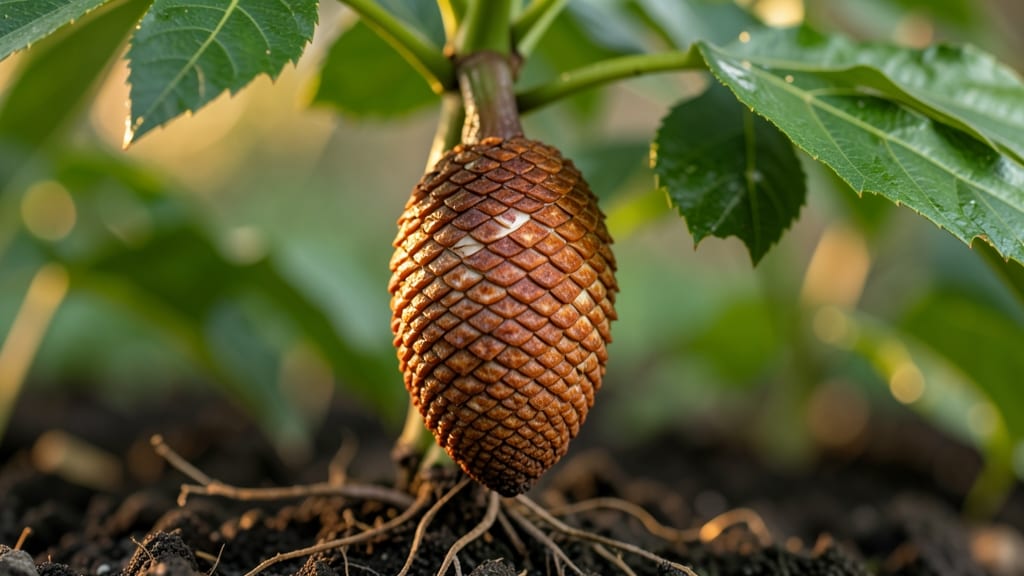
Growing a snake fruit plant means tropical flavors on your plate year-round—if you nail the humidity. 🌿 I’ve wrestled with these finicky vines for three seasons, and the key isn’t just warm soil—it’s mimicking their Southeast Asian jungle roots.
The first harvest after planting is worth the patience, but only if you avoid the three biggest rookie mistakes.
This isn’t a finicky houseplant; snake fruit thrives in 70-85°F year-round and demands 60-80% humidity—think of it like growing a rainforest in your backyard. Start with a well-draining mix of peat, coconut coir, and perlite, and keep the roots snug in a 10-gallon pot at first.
Suckers (pups) root faster than seeds, so if you’re starting from scratch, grab a mature plant and propagate those side shoots.
By month 12, you’ll spot the first purple-scaled fruits hanging like alien ornaments—each one packed with sweet, tangy flesh. The real magic happens when you time your watering: soak the soil weekly but let the top 2 inches dry between drinks.
Overwatering turns the roots mushy, and that’s a death sentence for these vines.
Pests like mealybugs and scale love snake fruit too, but a neem oil spray every 4 weeks keeps them off without chemicals. Prune leggy growth in spring to encourage bushier vines, and watch your harvest double by year two. Ready to turn your patio into a tropical oasis?
📚 In This Guide
- What you need
- Instructions
- Tips and common mistakes
- Wrapping up and next steps
What you need
- ● Salak Seeds or Seedlings: 3–5 fresh, plump Salak seeds (from a ripe fruit) or 1–2 healthy nursery-grown seedlings (preferred for faster growth)
- ● Well-Draining Potting Mix: 50% coconut coir or peat moss (for moisture retention) 30% perlite or coarse sand (for aeration) 20% compost or worm castings (for nutrients)
- ● Containers: 1–2 large pots (12–18 inches in diameter) with drainage holes or A raised garden bed (if planting outdoors in tropical climates)
- ● Basic Gardening Tools: 1 small trowel or transplanting spade 1 pair of pruning shears (for trimming) 1 watering can or hose with a gentle spray nozzle
- ● Fertilizer: Balanced organic fertilizer (e.g., 10-10-10 NPK) or Slow-release granular fertilizer for tropical plants
- ● Mulch: Shredded bark or straw (to retain moisture and regulate soil temperature)
- ● Grow lights or LED bulbs (if indoors with limited sunlight) Humidity tray or pebble tray (to mimic tropical conditions) Soil pH test kit (ideal pH: 5.5–6.5 for Salak) Support stakes or trellis (for vining varieties) Pest control: Neem oil or insecticidal soap (preventative measure)
Step-by-Step instructions for growing a thriving snake fruit vine
Here's how to coax those delicious, snake-shaped fruits from your vine—no matter the season.
🌱 Step 1: Choose the Perfect Spot for Your Vine
Snake fruit vines (Salak) need bright, indirect light—think 6-8 hours of morning sun with afternoon shade. A south-facing window works indoors, while outdoors, a semi-shaded patio or dappled sunlight under trees is ideal. Avoid harsh afternoon sun, which scorches tender leaves.
If growing outdoors, stake a 5-foot trellis near the plant to support its climbing habit. The vine will naturally twine as it grows, but a sturdy support prevents breakage during fruit development. I like to position mine where the fruit can dangle freely—this encourages those signature snake-shaped pods to grow straight.
💧 Step 2: Water Deeply and Keep Soil Consistently Moist
Water your snake fruit vine every 2-3 days until the top 2 inches of soil feel moist—not soggy, not bone-dry. Overwatering causes root rot, while underwatering stunts fruit production. Check soil moisture by sticking your finger in; if it feels dry past your first knuckle, it's time to water.
Use room-temperature water to avoid shocking the roots. I water at the base, avoiding leaves to prevent fungal issues. During fruiting season, increase water slightly—every 1-2 days—since the plant needs extra hydration for those energy-intensive fruits. Mulch with 2-3 inches of organic matter (like shredded bark) to retain moisture and regulate soil temperature.
☀️ Step 3: Fertilize for Maximum Fruit Production
Feed your vine every 4-6 weeks with a balanced liquid fertilizer (10-10-10 or 20-20-20) diluted to half-strength. I switch to a potassium-rich formula (like 5-10-10) when buds form to boost fruit development. Always water the plant first—this prevents fertilizer burn on delicate roots.
You’ll know it’s working when new leaves emerge deep green and glossy, and the vine puts out more vigorous tendrils. Stop fertilizing in late summer to let the plant rest before winter. If you notice yellowing leaves, flush the soil with water to remove excess salts from over-fertilizing.
✂️ Step 4: Prune for Shape and Fruit Quality
Prune in early spring before new growth starts. Cut back overly long vines to 3-4 feet to encourage bushier growth and more fruit clusters. Remove any dead, yellow, or diseased leaves with clean pruners—this improves airflow and prevents pests.
When fruits begin forming, thin them out so only the healthiest 2-3 pods per cluster remain. This ensures larger, straighter snake-shaped fruits. I also pinch back new growth tips in late summer to redirect energy into ripening existing fruit rather than producing more leaves.
⏰ Step 5: Harvest and Encourage Year-Round Growth
Harvest snake fruit when the outer skin turns a deep brown and the pods feel firm but slightly soft—usually 8-12 months after planting. Twist gently to detach; the fruit should come off cleanly. Store unripe fruit at room temperature until fully ripe, then refrigerate for up to 2 weeks.
To keep producing fruit year-round, repot every 2-3 years into a slightly larger container (1-2 inches wider) with fresh potting mix. In cooler months, move the plant indoors near a bright window or under grow lights to maintain growth. With consistent care, your vine can fruit twice a year—once in spring and again in fall.
Tips & tricks for perfect snake fruit vine growth
Real talk: These small details make all the difference between a struggling vine and one that produces those coveted snake-shaped fruits year after year.
Lighting Strategy: That 6-8 hours of morning sun in Step 1 is non-negotiable for fruit development. I've found that placing my vine near an east-facing window gives the perfect balance—morning sun without the harsh afternoon rays. If you're using artificial light, LED grow lights on a timer set for 12 hours daily work wonders, especially in winter when natural light is scarce.
Watering Wisdom: The finger test in Step 2 is your best friend. I've learned the hard way that letting the soil dry completely between waterings stops fruit production dead in its tracks. During fruiting season, I set a reminder on my phone for every 1-2 days to check moisture levels—this extra attention makes a noticeable difference in fruit size and quality.
Fertilizer Timing: The switch to potassium-rich fertilizer when buds form in Step 3 is crucial for fruit development. I've had the best results using a 5-10-10 formula at half-strength, applied right when I notice those tiny flower buds appearing. This timing boosts fruit set and size significantly compared to fertilizing randomly throughout the season.
Pruning Precision: When thinning those snake-shaped pods to 2-3 per cluster in Step 4, I look for the straightest, healthiest-looking ones. The others can be gently twisted off and used immediately—they're still delicious! This selective pruning ensures the remaining fruits get all the nutrients they need to develop properly.
Pro Tips for Snake Fruit Plant
- Real talk: These small details make all the difference between a struggling vine and one that produces those coveted ...
- Lighting Strategy: That 6-8 hours of morning sun in Step 1 is non-negotiable for fruit development. I've found that p...
- Watering Wisdom: The finger test in Step 2 is your best friend. I've learned the hard way that letting the soil dry c...
Frequently asked questions
Got questions about growing or harvesting snake fruit? You’re not alone!
Here are answers to the most common queries—from planting to troubleshooting—so you can keep your vine thriving all year.
How long does it take for a snake fruit plant to bear fruit?
A snake fruit plant typically takes 1.5 to 2 years to mature and produce its first harvest. Patience is key—ensure your vine gets full sun (6+ hours daily), well-draining soil, and consistent moisture. With proper care, you’ll soon enjoy sweet, snake-like fruits!
Can snake fruit plants survive cold weather?
Snake fruit plants (Salacca zalacca) are tropical and struggle in temperatures below 50°F (10°C). If you live in a colder climate, grow them in containers and bring them indoors during winter. A greenhouse or sunny patio can also work!
How do I know when snake fruit is ripe and ready to pick?
Ripe snake fruit turns bright yellow or orange and feels slightly soft when gently squeezed. The scales (outer skin) may also loosen slightly. Pick it promptly—overripe fruit spoils fast! Use a sharp knife to cut the fruit from the vine, leaving a small stem.
Why are my snake fruit leaves turning yellow or brown?
Yellowing leaves often signal overwatering or nutrient deficiency. Check soil moisture—snake fruit prefers consistently moist but not soggy soil. Brown edges? It could be low humidity or pests (like spider mites). Boost care with balanced fertilizer and misting.
Can I grow snake fruit from seed, or should I buy a sapling?
While you can grow snake fruit from seed, it’s slow and unreliable—seedlings may not inherit the parent plant’s traits. For faster, guaranteed results, buy a healthy sapling from a nursery. Look for vines with green leaves and no pests!
Wrapping up and next steps
Growing a snake fruit plant is a rewarding journey that brings exotic flavors and lush greenery to your space—whether you’re a seasoned gardener or just starting out! 🌿 With the right light, soil, and care, you’ll enjoy a year-round harvest of sweet, tangy fruits that are as fun to grow as they are delicious.
The key is patience and consistency, but trust us, the payoff is worth it.
Ready to dive in? Start by gathering your supplies, then pick a sunny spot for your vine. Plant with confidence, and soon you’ll be savoring homegrown snake fruit straight from the vine. Happy gardening! 🌱