
Pruning
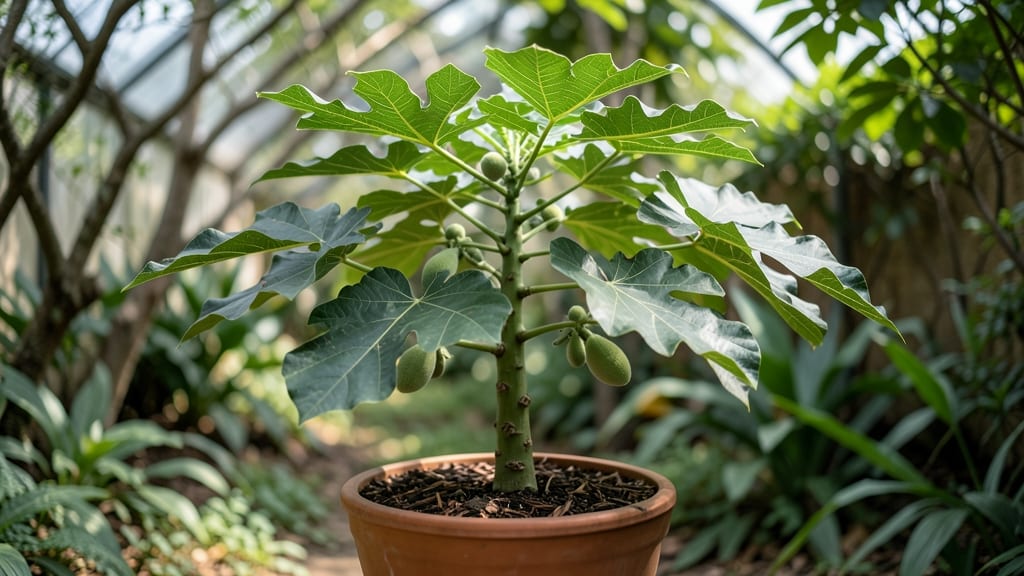
Growing a small jackfruit tree that actually produces fruit in your backyard is easier than you think—even in a tiny yard. 🌱 I’ve pruned my own dwarf variety into a manageable 8-foot tree that yields sweet, creamy jackfruit twice a year, and the secret lies in strategic cuts that encourage compact growth while maximizing fruit production.
Jackfruit thrives in warm climates (zones 10-11) but can also grow in containers if you bring it indoors during winter.
The key is pruning to maintain a balanced shape—cut back leggy branches in late winter to redirect energy toward fruit development, and always remove dead or crossing branches that steal nutrients. My tree now has a dense canopy that produces 10-12 fruits per season without taking over the space.
You’ll notice new growth within 4-6 weeks of pruning, and the first harvestable fruits appear around 12-18 months for dwarf varieties. The fruit itself is fragrant, custard-like, and perfect for smoothies or curries—just like the tropical varieties you’d find in grocery stores, but grown right outside your door.
The best part? Once established, these trees need minimal care beyond occasional pruning and watering.
Whether you’re growing in a pot or the ground, this method works for small spaces. Just remember: prune after harvest season to avoid cutting into next year’s fruit buds. Ready to turn your backyard into a tropical fruit oasis?
📚 In This Guide
- What you need
- Instructions
- Tips and common mistakes
- Wrapping up and next steps
What you need
- ● Pruning shears: Bypass pruners (for clean cuts on small branches) – 1 pair (look for ergonomic, stainless-steel blades).
- ● Loppers: For thicker branches (up to 2 inches) – 1 pair (with a long handle for reach).
- ● Hand saw: For stubborn, larger branches – 1 small folding saw (8-inch blade).
- ● Disinfectant: 70% isopropyl alcohol or a pruning sealant (to prevent disease spread).
- ● Gloves: Heavy-duty gardening gloves (to protect from thorns and sap).
- ○ Pruning paint/sealant: (Optional but helpful for sealing large cuts).
- ● Container or pot: If growing in a pot, ensure it’s at least 24–36 inches deep with drainage holes.
- ● Potting mix: Well-draining, slightly acidic soil (pH 5.5–6.5) – 10–20 lbs (mix in perlite or coconut coir for aeration).
- ● Extension pole (for high branches in dwarf varieties).
- ● Sharpie marker (to label pruning cuts for tracking growth).
- ● Mulch (wood chips or straw to retain moisture and regulate temperature).
- ● Fertilizer (balanced 10-10-10 or organic compost tea for post-pruning recovery).
- ● Support stakes or trellis (if training the tree vertically in small spaces).
Step-by-Step guide to pruning your small jackfruit tree
Transform your compact jackfruit into a productive powerhouse with these precision pruning techniques.
🌿 Step 1: Assess the Tree Structure and Identify Growth Priorities
Start by examining the tree's main trunk and primary branches. Look for the central leader—the dominant vertical stem that should remain uncut. Jackfruit trees naturally grow in a vase shape, so prioritize maintaining that open canopy to allow sunlight penetration to all fruit-bearing branches. Use a small notebook to sketch your tree's structure, marking branches that produce fruit versus those that are leggy or crossing.
Here's the thing—you'll want to remove any branches growing directly downward or inward. These compete with your primary branches for energy and create dense shade where fruit won't develop properly. Focus on branches that are at least ½ inch in diameter—thinner ones can be pruned later. I always start at the top and work my way down to avoid missing any hidden branches.
✂️ Step 2: Remove Dead, Diseased, or Weak Branches First
Sterilize your pruning shears with rubbing alcohol before making any cuts. Begin by removing any dead branches—these will be completely dry and snap easily when bent. Next, look for branches with signs of disease (black spots, oozing sap, or unusual growths) and cut these back to healthy wood. You'll know you're cutting at the right spot when you see fresh green tissue beneath the affected area.
Don't skip this step (I learned the hard way). Diseased branches spread pathogens to healthy parts of the tree. Make clean cuts at a 45-degree angle, about ¼ inch above a lateral bud. This encourages new growth in the right direction. For branches thicker than 2 inches, use a pruning saw and make the cut just outside the branch collar where it meets the trunk.
☀️ Step 3: Thin the Canopy for Better Airflow and Light Penetration
Jackfruit trees need excellent airflow to prevent fungal diseases. Step back and visualize sunlight reaching all parts of the tree. Remove about 20-30% of the foliage by selectively pruning branches that are too dense. Focus on removing branches that cross each other or rub together—they create wounds that invite infection. You'll see the tree's natural shape emerge as you work.
For each cut, aim to remove entire branches rather than just trimming the ends. This opens up the center of the tree and allows light to reach developing fruit. Never remove more than 25% of the tree's foliage in one season—this stresses the tree and reduces fruit production. I like to prune in stages if the tree looks particularly crowded, spacing cuts about 4-6 weeks apart.
🌱 Step 4: Encourage Fruit Production Through Strategic Pruning
Jackfruit trees produce fruit on new growth, so you'll want to stimulate vigorous branching. After removing the problematic branches, look for lateral branches that are about 12-18 inches long and have several leaves. Cut these back by about ⅓ of their length to encourage bushier growth. This is where your future fruit will develop, so be generous but not aggressive.
Pay special attention to the tree's lower branches. If they're too dense, remove some to create space for future growth. You'll notice new shoots emerging from the pruned areas within 4-6 weeks. These are your future fruit-bearing branches. Avoid pruning during the tree's peak fruiting season—wait until after harvest when the tree has stored energy for new growth.
⏰ Step 5: Schedule Maintenance Pruning for Year-Round Care
Plan three pruning sessions annually: late winter (just before new growth begins), early summer (after the first harvest), and late fall (to clean up before dormancy). Each session should focus on different aspects—winter for structural shaping, summer for fruit-bearing branches, and fall for cleanup. You'll see a dramatic difference in fruit quality and quantity within a year.
After each pruning session, apply a layer of organic mulch around the base of the tree to retain moisture and protect roots. Water deeply right after pruning to help the tree recover. Over the next few weeks, monitor the tree for new growth and adjust your pruning plan as needed. With consistent care, your compact jackfruit tree will reward you with abundant harvests year after year.
Tips & tricks for perfect jackfruit tree pruning
A few strategic adjustments can transform your compact jackfruit into a thriving fruit powerhouse. Here's what I've learned after years of trial and error with my own trees.
Branch Selection Strategy: When assessing branches in Step 1, prioritize removing those growing at sharp angles (less than 45 degrees) from the trunk or main branches. These "water sprouts" grow rapidly but rarely produce fruit. I use a simple test: if a branch is thinner than a pencil (about ½ inch), it's likely non-productive and can be removed entirely. For branches between ½ and 2 inches, consider partial removal to encourage bushier growth.
Disease Prevention Technique: In Step 2, after making each cut, immediately apply a thin layer of pruning sealant to the wound. I've found that even clean cuts can become entry points for pathogens if left exposed. For branches thicker than 2 inches, make your final cut just outside the branch collar where it meets the trunk—this natural swelling contains protective compounds that help prevent infection. Always sterilize your tools between cuts, especially when dealing with diseased branches.
Seasonal Timing Insight: The annual pruning schedule in Step 5 works beautifully, but here's the nuance: in tropical climates, you can extend your late winter session into early spring when new growth begins. Watch for the first flush of leaves—this signals the tree is ready for structural pruning. In cooler climates, stick strictly to late winter before buds swell. I've seen trees in Florida respond well to four pruning sessions when conditions allow.
Recovery Care: After your pruning sessions, don't just water—implement a three-step recovery protocol. First, apply 2-3 inches of organic mulch around the base (but keep it away from the trunk). Second, water deeply for 15-20 minutes to help the tree re-establish its root system. Finally, consider a balanced fertilizer application two weeks after pruning to support new growth. This approach has dramatically improved my trees' resilience and fruit production.
Pro Tips for Small Jackfruit Tree
- A few strategic adjustments can transform your compact jackfruit into a thriving fruit powerhouse.
- Branch Selection Strategy: When assessing branches in Step 1, prioritize removing those growing at sharp angles (less than 45 degrees) from the trunk or main branches.
- Disease Prevention Technique: In Step 2, after making each cut, immediately apply a thin layer of pruning sealant to the wound.
Frequently asked questions
Got questions about keeping your small jackfruit tree thriving while maximizing harvests in tight spaces? You’re not alone! Here are some common concerns—and straightforward answers—to help you prune with confidence.
How often should I prune a small jackfruit tree for year-round harvests?
Prune your small jackfruit tree every 3–4 months to encourage continuous fruiting. Focus on removing spent flowers, overcrowded branches, and any growth that’s blocking sunlight. Light trims between major prunings (like after harvests) keep the tree manageable and productive. Pro tip: Avoid heavy pruning during the rainy season—wait until dry weather to minimize stress.
Can I prune a jackfruit tree too much? What are the signs?
Yes! Over-pruning weakens the tree, reducing fruit production. Watch for yellowing leaves, stunted growth, or fewer flowers—these signal you’ve cut too aggressively. For a small jackfruit tree, never remove more than 20–25% of the canopy in one session. Prioritize selective pruning to shape the tree without sacrificing its health.
What’s the best way to prune if my jackfruit tree isn’t fruiting?
If your tree is leafy but fruitless, it may need a structural reset. Start by removing all weak or crossing branches, then thin out the canopy to improve airflow. Next, prune back some older wood (1–2 years old) to stimulate new growth—this often triggers flowering. Bonus: Fertilize with potassium-rich compost after pruning to support fruit development.
Can a small jackfruit tree grow in containers? How does pruning differ?
Small jackfruit trees thrive in large containers (15+ gallons) with well-draining soil. Pruning in containers focuses on root-bound management: Trim roots gently during repotting (every 2–3 years) and prune upward-growing branches to keep the tree compact. Warning: Container-grown trees need more frequent pruning (every 2 months) to prevent overcrowding.
Why are my jackfruit flowers dropping before they turn into fruit?
This usually happens due to poor pollination, nutrient deficiencies, or stress from pruning/temperature swings. Hand-pollinate with a small brush if bees are scarce. Check for low nitrogen or phosphorus—amend soil with banana peel compost or a balanced fertilizer. Also, avoid heavy pruning during flowering season to reduce shock.
Quick Troubleshooting Table
| Issue | Likely Cause | Fix |
|---|---|---|
| No flowers | Too much shade or nitrogen | Thin canopy, reduce nitrogen-rich fertilizer |
| Small, misshapen fruit | Overcrowded branches | Prune to improve sunlight/airflow |
| Leaf curl or spots | Fungal/bacterial infection | Remove infected leaves, use copper fungicide |
| Dieback in branches | Root rot or overwatering | Check drainage, prune dead wood, adjust watering |
Wrapping up and next steps
Growing a small jackfruit tree in compact spaces is totally doable—and with the right pruning techniques, you can enjoy year-round harvests without the bulk! 🌱 By mastering selective pruning, shaping for airflow, and timing cuts strategically, you’ll keep your tree healthy, productive, and perfectly sized for your garden or patio.
The key? Patience and consistency—your efforts will pay off with sweet, fragrant jackfruits all season long.
Ready to take the next step? Start small—pick one pruning technique to practice this week, then gradually expand your skills. Before you know it, you’ll be the proud owner of a thriving, manageable jackfruit tree that rewards you with harvest after harvest. Happy pruning! 🌿✨