
Blooming
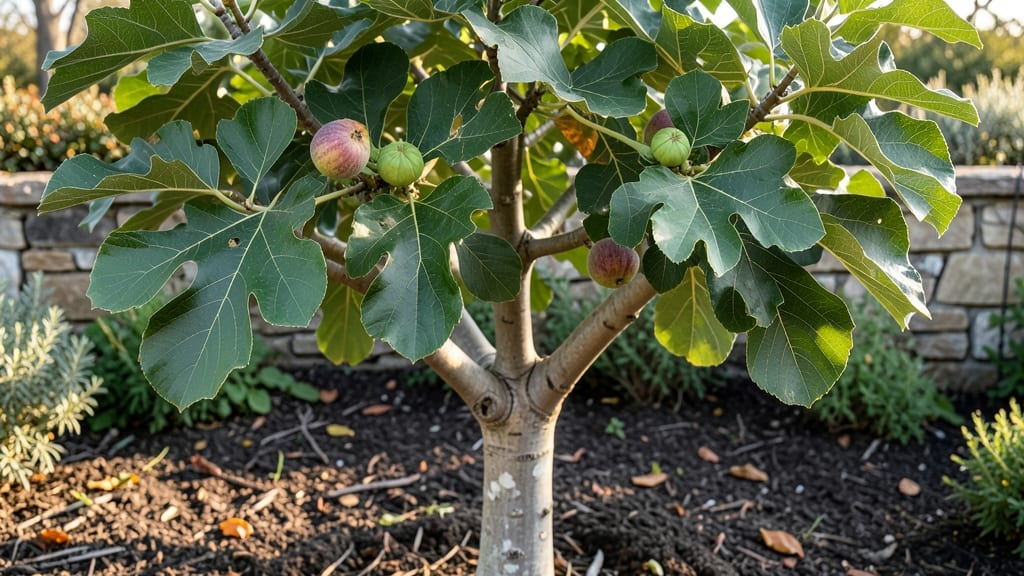
A fig tree produces fruit in as little as 2 years for fast varieties—but most gardeners wait 3–5 years before seeing a real harvest, depending on care and climate.
Picture this: You’ve planted your 🍈 fig tree in spring, watered it religiously, and even pruned it just right. Yet when summer rolls around, there’s still no sign of those sweet, sun-kissed figs you dreamed of.
That’s because the timeline isn’t set in stone—it’s a mix of genetics, growing conditions, and a few sneaky care tricks most guides skip.
Some fig varieties, like the hardy 'Celeste' or 'Brown Turkey,' can fruit in just 2–3 years if given the right conditions, while others, like 'Black Jack,' might take 7–10 years to reward your patience. The key? Understanding your tree’s needs—from soil pH to sunlight—and avoiding common mistakes that stall fruiting.
In this guide, I’ll break down the exact timeline by variety, the 5 critical factors that speed up (or delay) fruit production, and how to tell when your tree is finally ready to harvest. No more guessing—just actionable steps to turn your fig tree into a fruiting powerhouse.
Fig tree fruit production timeline by variety: fastest to slowest yielders
If you're dreaming of homegrown figs, the wait time varies dramatically by variety. Some fast-bearing figs like 'Celeste' produce fruit in just 2–3 years, while others like 'Violette de Bordeaux' may take 7–10 years to reach full fruiting potential.
The key lies in choosing the right variety for your climate zone and understanding their unique growth patterns.
In Mediterranean climates, figs thrive year-round, often producing two fruit crops annually (breba and main season). Meanwhile, temperate zones (like USDA Zone 6) require winter protection and may see delayed fruiting until the tree establishes a strong root system.
Let’s break down the timeline by variety to set realistic expectations for your harvest.
| Variety | Fruiting Timeline (Years) | Climate Suitability | Notes |
|---|---|---|---|
| 'Celeste' | 2–3 years | Mediterranean/Temperate | Early breba crop; cold-hardy |
| 'Brown Turkey' | 3–4 years | Temperate/Containers | Drought-tolerant; reliable breba figs |
| 'Desert King' | 3–5 years | Arid/Desert | Heat-resistant; minimal water needs |
| 'Osborn Prolific' | 4–5 years | Temperate/Containers | Cold-hardy; prolific breba crop |
| 'Black Jack' | td style="padding: 10px;">5–7 yearsTemperate/Urban | Slow grower; needs winter chill | |
| 'Violette de Bordeaux' | 7–10 years | Mediterranean | Ornamental; late but heavy fruiter |
The 'Celeste' and 'Brown Turkey' varieties are my top picks for impatient gardeners—they’re the fastest figs to fruit while still being adaptable to different climates. If you’re in a warmer zone, these can produce breba figs (early crop) as early as the first spring after planting.
For colder regions, varieties like 'Osborn Prolific' are worth the slightly longer wait for their cold tolerance.
On the opposite end, 'Violette de Bordeaux' is a stunning but slow variety, prized for its deep purple fruit and ornamental value. It’s best suited for Mediterranean climates where it can fully mature.
If you’re in a shorter growing season, opt for dwarf varieties like 'Little Miss Figgy' (3–4 years to fruit) to maximize your harvest window.
One common misconception is that all fig trees produce fruit at the same rate. In reality, container-grown figs (like 'Brown Turkey') often fruit faster than in-ground trees because their roots aren’t competing for space.
Meanwhile, standard-sized trees planted in the ground may take 1–2 extra years to establish before fruiting. Soil quality also plays a role—well-draining, slightly alkaline soil (pH 6.0–7.0) speeds up maturation.
For Mediterranean climates, figs can produce fruit year-round with proper care, while temperate zones typically see a single main-season crop (late summer to fall).
If you’re in Zone 6 or colder, choose cold-hardy varieties like 'Celeste' or 'Osborn Prolific' and protect young trees with mulch or burlap wraps during winter. This can shave off 1–2 years from the fruiting timeline.
Pruning also impacts timing. Open-center pruning (removing center branches) encourages earlier fruiting by redirecting energy to fruit production. Avoid heavy pruning in the first 2 years, as this can delay fruit set.
Instead, focus on removing dead wood and shaping the tree to improve airflow and sunlight exposure—both critical for fruit development.
If you’re eager for figs but live in a short-season climate, consider greenhouse growing or container culture. Potted figs like 'Little Miss Figgy' can be brought indoors during winter and still produce fruit in 3–4 years.
Just ensure they get 6+ hours of sunlight daily, even indoors, to trigger fruiting.
Remember, the first year of fruiting (breba crop) is often smaller and less sweet than the main-season figs. Don’t be discouraged if your 2-year-old tree produces just a handful of figs—patience pays off as the tree matures.
With the right variety and care, you could be enjoying homegrown figs in as little as 2 years or savoring the reward of a decade-long investment.
5 Critical factors that speed up (or delay) fig tree fruit production
Your fig tree’s fruit production timeline isn’t set in stone—it’s heavily influenced by five key factors. Get these right, and you might see your first harvestable figs in 2–3 years.
Miss the mark, and you could be waiting 7–10 years or longer. The good news? Most of these factors are within your control, starting with soil conditions.
Figs thrive in slightly acidic to neutral soil with a pH between 6.0–7.0. Test your soil first—if it’s too alkaline (pH 7.5+), roots struggle to absorb nutrients, delaying fruiting.
Amend with compost or peat moss to adjust pH gradually. Over-fertilizing with nitrogen-heavy mixes is another common mistake; it fuels leafy growth at the expense of fruit production.
- 🌞 Sunlight (6+ hours daily): 3–5 years to fruit with full sun; 5–7 years with partial shade.
- 💧 Watering balance: 2–4 years with consistent moisture; 6+ years if over- or under-watered.
- ✂️ Pruning technique: 2–3 years with open-center pruning; 5+ years if over-pruned.
- 🌡️ Winter protection: 1–2 years faster in frost-free zones; 5+ years delayed without cold protection.
- 🌱 Soil pH (6.0–7.0): 2–3 years with ideal pH; 7+ years if soil is too alkaline.
Next up: sunlight exposure. Figs are sun-worshippers and need at least 6–8 hours of direct sunlight daily to produce fruit. If your tree gets less, it’ll focus on survival rather than fruiting.
In shady spots, consider relocating or pruning nearby trees. Even partial shade can delay fruiting by 2–3 years, so prioritize a south-facing location.
Pruning plays a surprising role in speeding up fruiting. Many gardeners avoid pruning figs, but strategic cuts encourage fruit-bearing wood. In late winter or early spring, remove dead or crossing branches and thin out crowded growth to improve airflow.
Avoid heavy pruning—this can delay fruiting by 3–5 years as the tree recovers. Instead, aim for an open-center shape to maximize sunlight penetration.
Watering is another area where many gardeners go wrong. Figs need deep, infrequent watering—about 1–2 inches per week during growing season. Overwatering leads to root rot, while underwatering stresses the tree, both of which delay fruit production.
Mulch around the base to retain moisture and keep roots cool. In container-grown figs, watering needs increase, so check soil moisture daily during hot spells.
Finally, don’t overlook winter protection if you live in a cold climate (USDA Zone 7 or colder). Figs are tender and can die back in frost, setting your fruiting timeline back by years.
Protect young trees with burlap wraps or frost cloth and mulch heavily around the base. In Zone 8 and warmer, figs can fruit year-round, but even a single hard freeze can stall production for 3–5 years.