
Shrubs
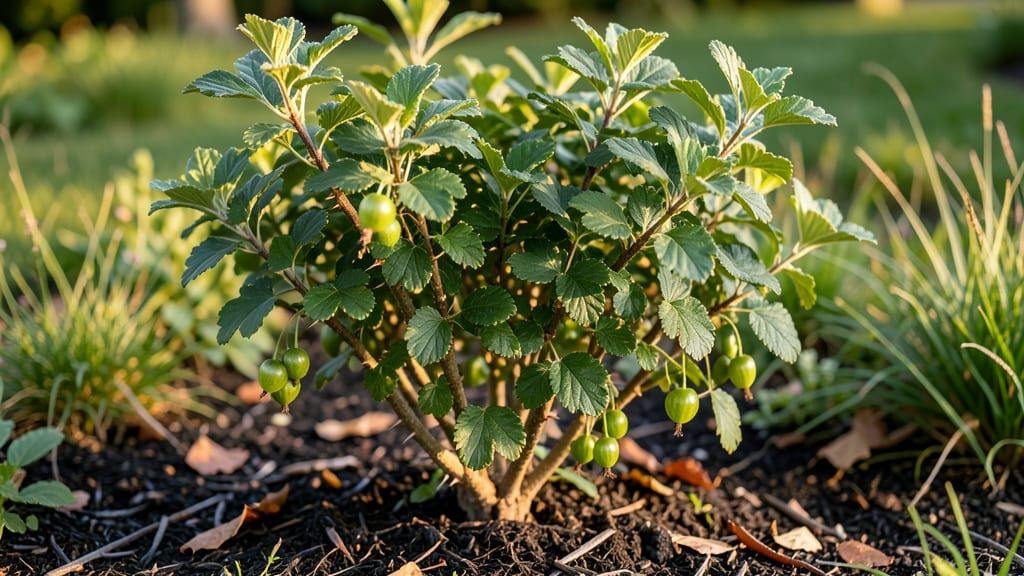
Those tiny small green fruits on your bush might be the start of a cold-hardy, container-friendly harvest—currants, gooseberries, or jostaberries could be waiting for you. 🌱 I’ve grown these in pots for years, and they’re surprisingly tough, producing fruit even in small spaces when given the right care.
The key? Picking a variety that thrives in your zone and matching it to the right soil and sunlight.
Most of these bushes need well-draining soil and 6+ hours of sun daily, but they’ll tolerate partial shade if you’re in a hotter climate. Container growing actually makes them easier to manage—you control the soil quality, and pruning becomes simpler when the plant isn’t sprawling.
My go-to varieties for beginners are ‘Consort’ currants (sweet and reliable) and ‘Pixwell’ gooseberries (thornless and productive).
By late summer, you’ll be harvesting clusters of tart-sweet berries perfect for jams, jellies, or fresh snacks. The bushes stay compact, so they fit on patios or balconies, and they handle cold snaps better than many fruit plants.
Just watch for bird visitors—they love these fruits too—and use netting if needed.
Whether you’re dealing with powdery mildew or struggling with fruit set, I’ll walk you through the fixes. These bushes reward patience with years of low-maintenance harvests, and once you try them, you’ll wonder why you didn’t start sooner.
Why Fruit Stays Tiny & Green
If your container-grown shrubs are producing only small green fruit instead of plump, ripe harvests, don’t panic—this is a common issue with cold-hardy varieties. Understanding the root causes helps you take corrective action before the season ends.
Below, we break down the science behind why your fruit might be stuck in its juvenile phase and how to fix it.
Many small fruits rely on cross-pollination (transfer of pollen between flowers) to trigger fruit development. If your bush isn’t getting enough pollinators—or if the flowers aren’t viable—your fruit may stay tiny and green.
Why it happens:
- Lack of bees/wasps: Container plants often have fewer pollinators due to limited space or urban environments. Without insects, pollen doesn’t transfer efficiently.
- Self-incompatibility: Some varieties (like certain currants or gooseberries) require pollen from a different plant to set fruit. If you only have one bush, it may struggle.
- Timing mismatches: Cold snaps or wet weather can delay flower opening, reducing pollinator visits.
Actionable fix:
- 🐝 Hand-pollinate with a soft paintbrush—gently transfer pollen from one flower to another on the same bush or between compatible plants.
- 🌿 Plant two varieties (e.g., ‘Consort’ and ‘Honeysuckle’ red currants) to ensure cross-pollination.
- 📅 Check bloom times—if flowers open in cool/wet weather, use a small fan to dry petals and attract bees.
Fruit development demands photosynthesis power, which comes from sunlight. If your container shrub isn’t getting enough light, it diverts energy to survival instead of fruit growth.
Why it happens:
- Shade competition: Tall buildings, trees, or other plants can block 4+ hours of direct sun—critical for fruiting shrubs like Ribes (currants/gooseberries) or Amelanchier (serviceberry).
- Container limitations: Small pots restrict root growth, reducing the plant’s ability to absorb sunlight-converted energy.
- Late planting: Shrubs planted in late spring/summer may not establish enough foliage to fuel fruit before winter.
Actionable fix:
- 📏 Upgrade containers to at least 18–24 inches wide/deep to support stronger roots and more leaves.
- ☀️ Move to sunnier spots—south- or west-facing areas are ideal for cold-hardy fruits. Use reflective mulch (white gravel) to bounce light onto leaves.
- 🌱 Prune strategically—remove overcrowded branches to improve airflow and light penetration.
Too little or too much water disrupts nutrient uptake and hormone signals that trigger fruit swelling. Container plants are especially vulnerable because their roots dry out faster.
Why it happens:
- Underwatering: Stress from dry soil triggers abscisic acid (a plant hormone that halts growth) and reduces fruit set.
- Overwatering: Poor drainage in containers leads to root rot, starving the plant of oxygen and nutrients needed for fruit development.
- Inconsistent moisture: Fluctuating soil moisture confuses the plant’s hormonal balance, keeping fruit in a "waiting" state.
Actionable fix:
- 💧 Water deeply 2–3x/week (check soil 2 inches down—if dry, water until it drains from the bottom). Use drip irrigation for consistency.
- 🪴 Improve drainage—add perlite or vermiculite to potting mix and ensure containers have drainage holes.
- 🌡️ Mulch with straw (2–3 inches) to retain moisture and regulate soil temperature.
Fruit growth requires a precise mix of nutrients, especially phosphorus (P) and potassium (K). If your soil lacks these or has too much nitrogen, your shrub may produce leaves instead of fruit.
Why it happens:
- Nitrogen overload: Lush green foliage at the expense of fruit? Too much nitrogen (from fresh manure or synthetic fertilizers) delays flowering and fruiting.
- Phosphorus deficiency: Critical for energy transfer in fruit development. Signs include dark green leaves with purple stems.
- Potassium deficiency: Weakens cell walls, leading to small, underdeveloped fruit. Look for yellowing leaf edges or weak stems.
- Micronutrient gaps: Boron, calcium, or magnesium deficiencies (common in containers) can stunt fruit growth.
Actionable fix:
- 📊 Test your soil (use a DIY kit or send a sample to a lab). Aim for a balanced NPK ratio like 5-10-10 for fruiting shrubs.
- 🌿 Feed with fruit-specific fertilizer in early spring (e.g., 7-9-5 or composted manure). Avoid high-nitrogen lawn fertilizers.
- ☕ Use foliar sprays of diluted seaweed extract (rich in potassium and micronutrients) during bloom.
- 🔄 Refresh container soil annually—depleted nutrients are a top reason for poor fruit in pots.
Cold-hardy shrubs are tough, but extreme weather—whether too hot, too cold, or too windy—can disrupt flowering and fruiting cycles.
Why it happens:
- Late frosts: Flowers damaged by frost won’t pollinate, leaving no fruit to develop.
- Heatwaves: Temperatures above 90°F can cause flower drop or poor pollen viability.
- Strong winds: Physically damage flowers or blow away pollen before it’s transferred.
- Winter injury: Young plants or shallow-rooted container shrubs may suffer cold stress, delaying spring growth and fruit set.
Actionable fix:
- 🌡️ Protect from late frosts with row covers or a small greenhouse cloche over flowers.
- 🌿 Provide afternoon shade in extreme heat (use shade cloth if temps exceed 95°F).
- 🪵 Windbreaks help—plant near a fence or use burlap screens to reduce wind damage.
- 🍂 Mulch heavily in winter (4–6 inches of straw) to insulate roots and conserve moisture.
Fixing Common Bush Fruit Issues
If your small green fruit-bearing bush isn’t thriving—or worse, is struggling—don’t panic! Most problems have simple, actionable solutions. Below, we’ve mapped common issues to their fixes, along with prevention tips to keep your bush healthy and productive for years to come.
Signs: Slow growth, yellowing leaves, or fruits staying small and green. Why it happens: Roots compete for nutrients and water when plants are too close.
How to fix it: 🔥 Step 1: Assess spacing – Most small fruit bushes (like currants, gooseberries, or junipers) need 3–6 feet of space between plants. If they’re packed tighter, it’s time to thin. 🍳 Step 2: Prune roots (gently!) – Dig around the base and snip thick, tangled roots with sterilized pruning shears, leaving only the healthiest ones. Focus on roots growing toward neighboring plants. 👨🍳 Step 3: Mulch properly – Add 2–3 inches of organic mulch (wood chips, straw) to improve soil aeration and retain moisture. Keep mulch 6 inches away from the stem to prevent rot. ⏰ Best time: Early spring or fall, when the plant isn’t actively fruiting.
Prevention tip: 💡 Space new plants correctly at planting time—follow variety-specific guidelines to avoid future headaches.
Signs: Pale, yellowing leaves (especially on older growth), stunted fruit, or wilting. Why it happens: Overwatering, underwatering, poor drainage, or nutrient deficiencies (like iron or nitrogen).
How to fix it: 🌡️ Step 1: Test your soil – Stick your finger 1–2 inches deep into the soil. If it’s soggy, you’re overwatering; if dry, you’re underwatering. Ideal soil should feel like a slightly damp sponge. 🔥 Step 2: Adjust watering –
- Overwatered? Let the top 1–2 inches dry out between waterings.
- Underwatered? Water deeply 1–2 times per week (more in extreme heat).
🥗 Step 3: Amend the soil –
- For clay soil (poor drainage): Mix in compost or sand to improve aeration.
- For sandy soil (nutrient-poor): Add aged manure or peat moss for organic matter.
🎯 Step 4: Fertilize smartly – Use a balanced, slow-release fertilizer (10-10-10) in early spring. For yellowing from iron deficiency, apply chelated iron or use Epsom salt (1 tbsp per gallon of water).
Prevention tip: ✨ Mulch annually to retain moisture and regulate soil temperature—this reduces stress on roots.
Signs: Chewed leaves, sticky residue (aphids), or tiny holes in fruit. Why it happens: Birds, insects (like spider mites or fruit flies), or rodents may be snacking on your bush.
How to fix it: 🔪 Step 1: Identify the pest –
- Aphids/spider mites? Look for tiny webs or clusters on undersides of leaves.
- Birds? Check for pecked fruit or droppings near the bush.
- Rodents? Search for gnaw marks or burrows at the base.
🍳 Step 2: Remove pests manually –
- Handpick large pests (like caterpillars) and drop them in soapy water.
- Blast off aphids with a strong spray of water (early morning works best).
👨🍳 Step 3: Use organic sprays –
- Neem oil (1 tsp + 1 quart water + drop of dish soap) – spray leaves thoroughly (repeat weekly).
- Diatomaceous earth – Sprinkle around the base to deter crawling pests.
🌡️ Step 4: Protect fruit –
- Cover young fruit with fine netting if birds are a problem.
- Hang reflective tape to scare off pests like flies.
Prevention tip: 💡 Encourage beneficial insects (like ladybugs) by planting marigolds or dill nearby—they’ll eat pests naturally!
Signs: Blackened or mushy stems, delayed budding, or fruit that stays green. Why it happens: Late frosts, insufficient winter protection, or planting in a microclimate that’s too cold for your variety.
How to fix it: 🔥 Step 1: Choose cold-hardy varieties – If your bush is struggling, swap it for a more resilient type, like:
- Juniper berries (Zone 3–9)
- Elderberries (Zone 3–7)
- Honeyberries (Zone 3–8)
🍳 Step 2: Mulch heavily for winter – Pile 6–12 inches of straw or leaves around the base after the first frost to insulate roots. 👨🍳 Step 3: Protect young plants –
- Wrap the stem in burlap and secure with twine.
- Use a cloche or row cover for early spring blooms.
⏰ Step 4: Avoid late pruning – Prune in late winter (before buds swell) to prevent frost damage to fresh cuts.
Prevention tip: 🌡️ Monitor frost dates in your area—plant after the last frost or choose early-blooming varieties that can handle light freezes.
Final Pro Tip: 🎯 Observe your bush weekly—catching issues early (like powdery mildew or nutrient deficiencies) means easier fixes and bigger harvests next season!
Frequently asked questions
What are the most common types of small green fruits growing on bushes?
Popular varieties include currants (red, black, or white), gooseberries, jostaberries, and honeyberries. These cold-hardy bushes thrive in containers and produce tart-sweet berries perfect for jams, jellies, or fresh eating. ‘Consort’ currants and ‘Pixwell’ gooseberries are great beginner choices!
How do I know if my bush needs more sun or water?
Check the leaves: yellowing or wilting usually means water issues (over/under), while small, green fruit often signals insufficient sunlight (6+ hours daily). Move your container to a sunnier spot if leaves look pale or growth is stunted. Water when the top 1–2 inches of soil feel dry.
Why are my berries staying tiny and green instead of ripening?
This often happens due to poor pollination (lack of bees) or nutrient deficiencies (especially phosphorus/potassium). Try hand-pollinating with a paintbrush or planting a second compatible variety nearby. Fertilize with a balanced 5-10-10 mix in early spring to boost fruit development.
Can I grow these bushes in containers, and what size pot should I use?
Use containers at least 18–24 inches wide/deep for proper root growth. Ensure drainage holes are present and refresh the soil annually. Cold-hardy varieties like currants and gooseberries adapt well to pots, making them perfect for patios or balconies.
How do I protect my fruit from birds and pests?
Cover bushes with fine netting once flowers appear to deter birds. For insects, use neem oil spray or introduce beneficial predators like ladybugs. Planting marigolds nearby can also repel pests naturally while attracting pollinators.