
Trees
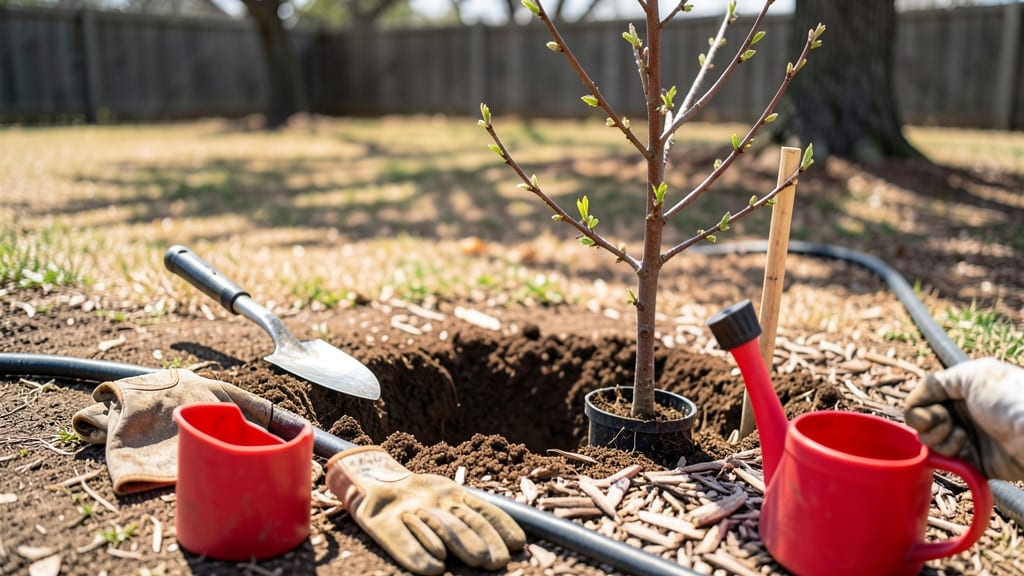
Planting fruit trees in North Texas at the right time means the difference between a bumper crop of 🍎 and a sad, frost-nipped sapling.
North Texas gardeners know timing is everything—plant fruit trees too early, and they’ll suffer from late freezes; too late, and you miss the optimal chill hours for fruit set. The key? Understanding your hardiness zone, chill-hour requirements, and the best planting window for peaches, plums, figs, and more.
If you’ve ever watched a young tree wilt under a surprise freeze or struggled with poor fruit production, you know how critical this is.
The 60-day window between late winter and early spring is your best shot at success, but not all fruit trees thrive in North Texas’ 400–700 chill hours.
In this guide, I’ll break down the exact months to plant, which varieties match your zone, and how to protect your investment from late freezes—so you can enjoy homegrown fruit for years to come.
North Texas fruit tree planting timeline by chill-hour requirements
North Texas gardeners face a unique challenge: balancing chill-hour requirements with unpredictable freeze risks. Trees like peaches need 500–900 chill hours to set fruit, while figs thrive with just 300–400 hours.
Planting too early risks freeze damage, while waiting too long may skip the optimal dormancy period. The solution? A chill-hour-based planting timeline tailored to your hardiness zone (7b–8a) and local microclimates.
In Dallas, Fort Worth, and Waco, the ideal planting window spans November through January, but exact timing depends on the tree’s chill needs. For example, ‘Elberta’ peaches (700–900 hours) should go in the ground by mid-December, while ‘Celeste’ figs (300–400 hours) can wait until late January.
Understanding these nuances ensures your trees establish roots before spring growth begins.
For peaches and apples, which demand the most chill hours, I recommend planting in November to give roots time to establish before the ground freezes. These trees benefit from a dormant-season planting because they won’t compete with summer heat for moisture.
In contrast, figs and low-chill plums can handle later planting in January or even early February, as they’re less sensitive to cold snaps.
Local microclimates play a huge role. Areas like Waco’s Brazos Valley often experience earlier last frosts (March 1 vs. Dallas’ March 15), so adjust your timeline accordingly. Use the Texas A&M AgriLife Extension chill-hour calculator to fine-tune your schedule based on your exact location.
Pro tip: If you’re in a warmer microclimate (like near a lake), push planting dates slightly later to avoid early spring warmth breaking dormancy prematurely.
Soil preparation is just as critical as timing. Before planting, amend your soil with compost and organic matter to improve drainage—especially important for peaches, which hate soggy roots. Test your soil’s pH (6.0–7.0 is ideal for most fruit trees) and adjust with lime or sulfur if needed.
A well-prepared planting hole (twice as wide as the root ball) reduces transplant shock and speeds up establishment.
Once planted, protect young trees from late freezes with frost cloth or bubble wrap wrapped around the trunk and branches. Water deeply once a month during dormancy to keep roots hydrated without encouraging early growth.
In Zone 8a, where winters are milder, you might even get away with planting container-grown trees in early spring (March), but bare-root trees still have the edge for root development.
Remember: chill hours ≠ frost tolerance. A tree might need 600 chill hours but still suffer damage from a 20°F night. That’s why I always recommend planting after the first hard freeze (usually by mid-November in North Texas) but before the ground freezes solid.
This gives roots time to knit together before winter sets in.
For container-grown trees, the rules relax slightly. You can plant them year-round (except in extreme heat or cold), but fall remains ideal for maximizing root growth before spring.
If you’re in a hurry, January is your last safe month before the risk of early spring warmth confuses the tree’s dormancy cycle. Always check the local frost date forecast from the National Weather Service for the most up-to-date adjustments.
Finally, don’t overlook tree variety selection. Some cultivars, like the ‘Oso Grande’ peach, are bred for North Texas’s 400–600 chill hours and drought conditions. Others, like ‘Arctic Frost’ apple, push the limits with 800+ chill hours—perfect for gardeners in cooler microclimates.
When in doubt, consult your local nursery for chill-hour-matched varieties that align with your specific zone.
Critical planting windows: avoiding freezes and maximizing root establishment
North Texas’ unpredictable winters demand precision when planting fruit trees. The 60-day window between November and January offers the best balance—cool enough for root establishment but not so cold that young trees suffer. Bare-root trees thrive in this period, while container-grown varieties give you flexibility until early spring.
Your goal is to plant 6-8 weeks before your last frost date (typically mid-March in Dallas/Fort Worth). This timing ensures roots establish before spring growth begins, while avoiding the late-winter freeze risks that can damage tender new shoots.
⚠️ callout warning
North Texas' average last frost is March 15, but late freezes (20-30°F) can occur until April. Planting bare-root trees after February 15 risks exposing them to root desiccation or cold damage. For container-grown trees, extend planting until early April but use frost cloth for protection.
For bare-root trees, prioritize planting in November or December when soil temperatures hover between 40-50°F. Container-grown trees can handle slightly warmer soil (up to 60°F) and offer more flexibility until late February. Always check the root flare—it should sit 1-2 inches above ground level.
Protect young trees with 3-4 inches of mulch (wood chips or straw) and wrap the trunk with frost cloth during sub-freezing nights. Remove the cloth by mid-March to prevent overheating. Water deeply every 2-3 weeks during dormancy to maintain soil moisture without encouraging rot.
Monitor your local chill-hour accumulation—most North Texas varieties need 400-700 hours below 45°F. Planting in January ensures your tree gets critical chill hours before bud break, setting the stage for better fruit set next season.
If you miss the window, don’t panic! Container-grown trees can be planted in early spring (March-April), but amend the soil with compost and use drip irrigation to support root growth during Texas’ hot summers.