
Planting
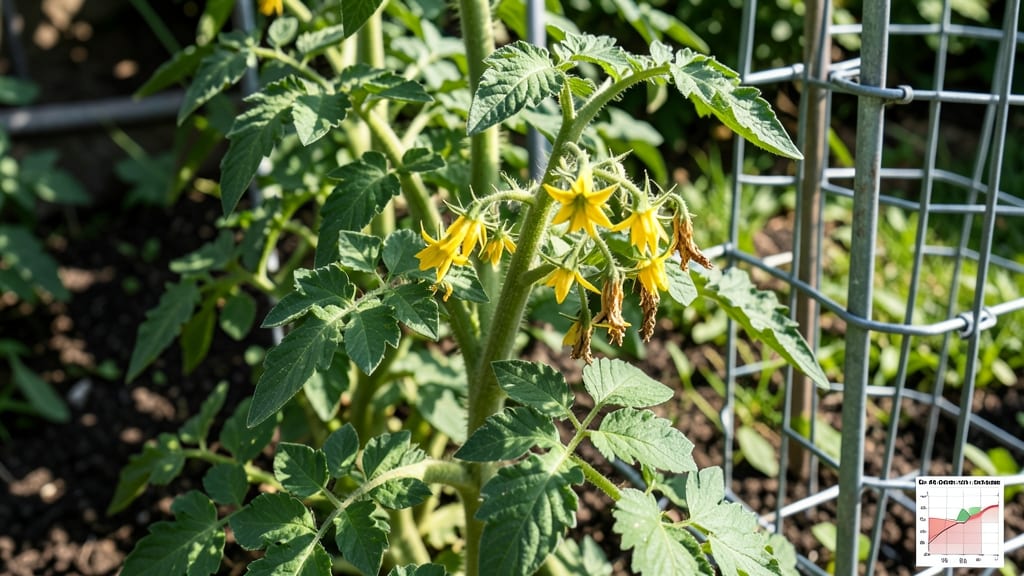
Your tomato plant is putting all its energy into lush green vines instead of fruit, and I’ve been there—last summer, the growing tomato plant was not producing fruit, and it grew like jungle vines but never ripened a single tomato. 🌱 The good news?
This is almost always fixable with a few targeted adjustments, not a hopeless case.
Most leafy growth overload comes down to three key factors: not enough sunlight (tomatoes need 6-8 hours of direct sun daily), inconsistent watering that stresses the plant, or a phosphorus deficiency (the nutrient responsible for flowering and fruiting).
Even mature plants can revert to leaf production if they’re not getting what they need to shift into fruit mode.
Start with the quickest wins—move your plant to a sunnier spot if possible, water deeply 1-2 times per week (not daily shallow watering), and add a balanced fertilizer (like 10-10-10) to boost phosphorus.
Within 2-3 weeks, you should see flower buds forming, and those vines will start redirecting energy where you want it.
If your plant is already flowering but flowers drop off, the issue might be pollination (especially in containers or greenhouses) or temperature swings—tomatoes need warm days (70-85°F) and cool nights (55-65°F) to set fruit. Let’s troubleshoot step by step so you’re harvesting juicy tomatoes in no time.
Hidden Causes Behind Leafy Tomatoes
When your tomato plant is thriving with lush green leaves but refuses to set fruit, the issue often lies in unseen factors that disrupt its natural reproductive cycle. Let’s break down the key culprits—and why they’re sabotaging your harvest—so you can take precise action.
Tomatoes are warm-season plants, and their fruit production hinges on ideal temperatures and successful pollination. Here’s how it goes wrong:
- Too Hot or Too Cold - Daytime temps above 90°F (32°C) or nighttime temps below 55°F (13°C) can halt flower formation or cause flowers to drop before pollination. - Why? High heat disrupts pollen viability, while cold stunts flower development.
If your plant is blooming but no fruit forms, check your local heat advisories—some regions experience "tomato blossom drop" during heatwaves. - Action: Use shade cloth (30-50%) during peak sun or row covers at night if temps dip.
- Poor Pollination - Tomatoes rely on wind, bees, or gentle shaking to transfer pollen.
If your plant is indoors, in a greenhouse, or lacks pollinators: - Flowers may form but fail to set fruit (or produce small, misshapen tomatoes). - Why? Self-pollinating varieties still need a light vibration (like wind or your hand) to release pollen. - Action: Gently shake plants daily during blooming (morning is best).
For indoor growers, try a small handheld fan on low for 5 minutes/day.
Overwatering or underwatering throws off a tomato’s hormonal balance, prioritizing leaf growth over fruit. Even more critical? Nutrient deficiencies that starve the plant’s reproductive system.
- Inconsistent Watering - Fluctuating moisture levels cause blossom end rot (calcium deficiency) or flower drop. - Why? Tomatoes need 1-1.5 inches of water per week (deep, consistent soaking).
Sudden dry spells or soggy soil stress the plant, diverting energy to leaves. - Action: Use drip irrigation or soaker hoses to deliver water at the base. Mulch (straw or grass clippings) retains moisture and stabilizes soil temps.
- Nitrogen Overload - Too much nitrogen (common in over-fertilized or manure-heavy soil) leads to leafy growth at the expense of flowers/fruit. - Why? Nitrogen fuels foliage, while phosphorus and potassium support flowering and fruiting.
A soil test can reveal imbalances. - Action: Switch to a balanced fertilizer (10-10-10 or 5-10-10) or phosphorus-rich amendments like bone meal. Stop nitrogen-heavy feeds (like blood meal) during flowering.
- Calcium & Boron Deficiencies
- Calcium (for cell wall strength) and boron (for pollen tube development) are often lacking in sandy or acidic soils.
- Symptoms: Flowers drop, or fruit develops blossom end rot (brown, leathery bottoms).
- Action:
- Side-dress with crushed eggshells (calcium) or calcium nitrate.
- Apply boron (1/4 tsp borax per gallon of water, sprayed on leaves) if soil tests confirm deficiency.
Tomatoes are sun-hungry and need room to breathe. If they’re shaded or crowded, they’ll focus on leaves instead of fruiting.
- Insufficient Sunlight - Less than 6-8 hours of direct sun daily = fewer flowers, weaker fruit set. - Why? Sunlight triggers photosynthesis, which fuels flower production.
Shady spots (under trees, north-facing windows) starve the plant. - Action: Move potted plants to sunnier locations. For garden beds, prune nearby shade-casting plants.
- Overcrowding
- Competition for light/nutrients causes plants to grow tall and leafy but skip flowering.
- Why? Tomatoes need 18-24 inches of space between plants (or 1 plant per 2-3 sq ft in containers).
- Action: Thin seedlings to the strongest 2-3 per plant. Prune suckers (side shoots in leaf axils) to redirect energy to fruit.
Even minor stressors can shut down fruit production. Here’s what’s silently sabotaging your tomatoes:
- Transplant Shock or Root Disturbance - Repotting, pruning roots, or rough handling delays flowering by 2-4 weeks. - Why? Roots are the plant’s nutrient and water highway.
Stress triggers a survival response—more leaves, fewer flowers. - Action: Handle roots gently when transplanting. Water deeply after repotting and avoid heavy pruning during flowering.
- Pests & Diseases - Aphids, spider mites, or fungal diseases (like early blight) drain energy from the plant. - Why? Infestations force the plant into defense mode, halting reproductive processes. - Action: Inspect leaves daily for pests.
Use neem oil or insecticidal soap for soft-bodied bugs. Remove diseased foliage immediately.
- Sudden Changes - Moving plants, changing fertilizer, or extreme weather shifts can cause flower drop. - Why? Tomatoes are sensitive to disruption in their routine.
A plant that’s been fertilized weekly may reject flowers if you switch to organic compost mid-season. - Action: Stick to a consistent care routine once flowering begins. Introduce changes gradually.
Pro Tip: 🔥 Keep a "tomato journal" to track watering, temps, and fertilizing. Patterns (like fruit drop after rain) reveal hidden causes!
How to Fix Leafy Tomato Plants
Now that you know why your tomato plant is growing lush foliage but holding back on fruit, let’s roll up our sleeves and turn things around! 🍅🌱 The good news? Most of these fixes are simple, cost-effective, and can be implemented in a matter of days.
Below, we’ve mapped out practical solutions for each common cause, along with prevention tips to keep your plant thriving—and fruiting—all season long.
Fix: Shift to a low-nitrogen, high-phosphorus fertilizer to encourage flowering and fruiting.
- Step 1: Stop using high-nitrogen fertilizers (like lawn fertilizers or blood meal). These promote leafy growth at the expense of fruit.
- Step 2: Switch to a balanced or phosphorus-heavy fertilizer (look for a ratio like 5-10-10 or 10-20-20 on the label). Phosphorus is the key nutrient for blooms and fruit development.
- Step 3: Apply fertilizer every 2–3 weeks during the growing season (spring to early fall), but avoid overdoing it. More isn’t always better—too much can burn roots or cause salt buildup in the soil.
- Step 4: For an organic fix, use compost, bone meal, or fish emulsion (both high in phosphorus). Mix a tablespoon of bone meal into the soil around the base of the plant.
💡 Pro Tip: If your soil is already nitrogen-rich (like in vegetable gardens or compost-heavy beds), flush it with water before adding new fertilizer to reset the nutrient balance.
Fix: Ensure your tomato plant gets 6–8 hours of direct sunlight daily.
- Step 1: Relocate the plant to a sunnier spot if possible. Tomatoes are sun-worshippers—partial shade (even from nearby plants or structures) can stunt fruit production.
- Step 2: If moving isn’t an option (e.g., container gardening), rotate the pot every few days to ensure even sun exposure.
- Step 3: Prune nearby shade-casting plants (like tall sunflowers or weeds) to improve airflow and sunlight penetration.
- Step 4: For indoor or low-light setups, supplement with grow lights (LED or fluorescent) for 12–14 hours a day. Place lights 6–12 inches above the plant and adjust as it grows.
🌡️ Heat & Sun Balance: Too much intense afternoon sun (especially in hot climates) can cause sunscald or blossom drop. If this happens, provide light shade (like a sheer cloth) during peak heat hours (11 AM–3 PM).
Fix: Adjust your watering habits to promote consistent, deep hydration.
- Step 1: Water deeply but infrequently. Tomatoes prefer 1–2 inches of water per week, delivered at the base of the plant (not the leaves) to prevent disease.
- Step 2: Water in the morning to allow foliage to dry out during the day, reducing fungal risks.
- Step 3: Avoid soggy soil—overwatering can lead to root rot, which stresses the plant and halts fruiting. Check soil moisture by sticking your finger 2 inches deep; if it’s damp, wait before watering again.
- Step 4: For container-grown tomatoes, ensure pots have drainage holes and use well-draining soil (like a mix of potting soil and perlite).
💡 Pro Tip: Mulch around the base with straw or shredded leaves to retain moisture and regulate soil temperature. This also keeps roots cool in hot weather, encouraging fruit set.
Fix: Tomatoes are self-pollinating, but sometimes they need a little human assistance.
- Step 1: Gently shake the plant every few days (especially in greenhouses, containers, or windless areas). This mimics natural pollination by dislodging pollen.
- Step 2: Use a small paintbrush or cotton swab to transfer pollen from one flower to another. Dip the brush into a blooming flower, then lightly brush the stigma (the yellow tip inside the flower).
- Step 3: Attract pollinators like bees and butterflies by planting companion flowers nearby (e.g., marigolds, basil, or nasturtiums).
- Step 4: Avoid over-fertilizing with nitrogen right before flowering—this can delay or prevent pollination.
⚠️ Watch for: Blossom end rot (a calcium deficiency caused by uneven watering) or blossom drop (often due to temperature swings or stress). If this happens, spray flowers with water on hot days to help them set.
Fix: Ensure your tomato plant has room to breathe and grow.
- Step 1: Thin out seedlings if they’re too close together. Tomatoes need 18–24 inches of space between plants (or 1 plant per 4–6 inches of container width).
- Step 2: Prune suckers (the small shoots that grow in the leaf axils) to redirect energy to fruit production. Use clean pruning shears and cut suckers early (when they’re small).
- Step 3: Repot if root-bound (roots circling the bottom of the pot). Choose a larger container (at least 5 gallons for determinate varieties, 10+ for indeterminate) with fresh well-draining soil.
- Step 4: Stake or cage your plant to improve airflow and prevent disease. Avoid tying vines too tightly—gentle support is key.
💡 Pro Tip: Top-dress with compost every few weeks to feed roots without disturbing them, encouraging stronger growth and better fruiting.
Fix: Tomatoes thrive in warm but not scorching conditions. Adjust for extremes.
- Step 1: Protect from cold snaps (below 50°F/10°C). Use row covers, cloches, or move pots indoors temporarily.
- Step 2: Shade from extreme heat (above 90°F/32°C). Use lightweight shade cloth (30–50%) during peak afternoon sun.
- Step 3: Avoid transplant shock—if moving plants, do it on a cloudy day or in the early evening to reduce stress.
- Step 4: Monitor for pests (like aphids or spider mites), which can stress plants. Use neem oil or insecticidal soap if needed.
🌱 Stress Relief: Wilting or yellowing leaves? It could signal underwatering, overwatering, or nutrient deficiency. Act fast—stressed plants drop flowers before they set fruit.
To keep your tomato plants leafy AND fruity, follow these long-term tips: ✅ Test your soil before planting to check pH (aim for 6.0–6.8) and nutrient levels. ✅ Choose the right variety—some (like ‘Solar Fire’ or ‘Heatmaster’) tolerate heat better and produce more reliably. ✅ Start with healthy seedlings—avoid weak or leggy plants from nurseries. ✅ Mulch early to retain moisture and regulate soil temp. ✅ Fertilize strategically—switch to low-nitrogen feed once flowers appear. ✅ Prune regularly to improve airflow and sunlight penetration.
🍅 Final Thought: With these fixes, your tomato plant should shift from a leafy green machine to a fruiting powerhouse in 2–4 weeks. Keep an eye on progress, adjust as needed, and soon you’ll be harvesting juicy, vine-ripened tomatoes like a pro! 🥒🍅
Frequently asked questions about leafy tomato plants
Why do my tomato plants grow so many leaves but no fruit?
This happens when your plant focuses on foliage growth instead of flowering due to too much nitrogen, insufficient sunlight, or stress factors like inconsistent watering. Tomatoes prioritize leaves when they're not getting the right balance of nutrients or environmental conditions for fruit production.
How can I tell if my tomato plant has a nutrient deficiency?
Look for these signs: Yellowing lower leaves (nitrogen deficiency), purple stems (phosphorus deficiency), or weak stems with small leaves (potassium deficiency). For fruiting issues, phosphorus deficiency is most critical—it's the nutrient that triggers flowering. Try a balanced fertilizer (10-10-10) or bone meal to boost phosphorus levels.
Will pruning my tomato plant help it produce more fruit?
Yes! Pruning suckers (those small shoots in leaf axils) redirects energy from leaf growth to fruit production. Focus on removing suckers when they're small (2-3 inches) and avoid heavy pruning during flowering. Also, prune any diseased or crowded foliage to improve airflow and sunlight penetration.
Can I fix my tomato plant's fruit production if it's already flowering but dropping flowers?
Flower drop often occurs due to temperature stress (above 90°F or below 55°F), poor pollination, or inconsistent watering. Try gently shaking the plant daily to aid pollination, providing shade cloth during heatwaves, and maintaining consistent moisture. For indoor plants, a small fan can help with pollination too.
How long does it take to see results after making changes?
With proper adjustments, you should see new flower buds forming within 2-4 weeks. The fastest results come from improving sunlight exposure and switching to a phosphorus-rich fertilizer. Be patient with temperature adjustments—extreme heat or cold can take longer to stabilize. Keep a care journal to track progress!