
Diseases
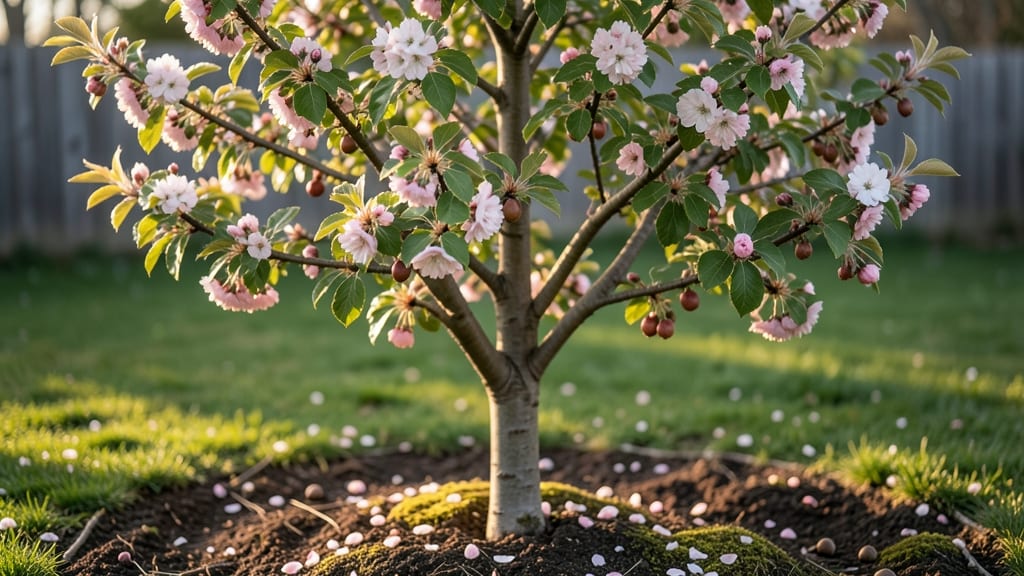
Finding small brown fruits that look like apples 🍎 can be a gardener’s puzzle—especially when you’re not sure if they’re edible, ornamental, or even healthy for your trees.
Picture this: you spot a cluster of tiny, apple-shaped fruits on your dwarf apple tree, but they’re tough, bitter, and nothing like the sweet apples you planted. That’s when you realize they might be hawthorns, medlars, or even dogwood berries—all common look-alikes that can fool even experienced gardeners.
These fruits aren’t just confusing; they can also signal disease, pest damage, or poor growing conditions in your apple tree. But with the right know-how, you can turn this mystery into an opportunity to diversify your garden—or finally solve the puzzle of why your apples aren’t looking right.
In this guide, I’ll walk you through 5 small brown fruits that mimic apples, how to tell them apart, and what you can do to protect your real apple harvest—whether that means pruning, treating fungal issues, or even embracing these wild look-alikes for their own unique benefits.
5 Small brown fruits that look like apples (and how to tell them apart)
Identifying small brown fruits that resemble apples can be tricky, especially when you’re foraging or maintaining a diverse garden. These look-alikes often share similar shapes and colors but have distinct growth habits, textures, and flavors.
Whether you’re trying to avoid confusion in your orchard or discover new edible treasures, knowing these differences is key to making accurate identifications.
From the tart tang of crabapples to the astringent bite of quince, each of these fruits has unique characteristics that set them apart. Some are prized for their culinary uses, while others are simply fascinating additions to your landscape.
Let’s break down the key features to help you distinguish them confidently.
📌 Pro Tip: Always examine the leaf shape, fruit stem, and tree structure—these details often reveal the true identity of the fruit before you even taste it.
One of the easiest ways to tell these fruits apart is by their size and shape. For example, quince fruits are noticeably larger, often reaching up to 4 inches in diameter, while dogwood berries are tiny, rarely exceeding half an inch.
Pay attention to these details—they can save you from a sour surprise!
Another key identifier is the fruit’s texture. Crabapples and quince have firm, almost leathery skins, whereas hawthorn berries and medlars soften significantly as they ripen. If you’re unsure, give the fruit a gentle squeeze—its resistance or lack thereof can be a dead giveaway.
The taste is another critical clue. While dogwood berries are sweet and mild, quince is so tart it’s nearly inedible raw. Medlars, on the other hand, transform into a delicious, honey-like treat once they’ve softened after frost—a process called bletting.
Always taste with caution, especially if you’re unfamiliar with the fruit.
Don’t overlook the tree’s growth habits. Hawthorn trees, for instance, are often thorny and dense, while medlar trees have smooth bark and a more open canopy. Observing these features can help you narrow down the possibilities before even touching the fruit.
If you’re still unsure, consider the season. Most of these fruits ripen in late summer or early fall, but dogwood berries often appear slightly earlier, around late summer. Keeping a seasonal calendar can help you anticipate which fruits are likely to be in your garden at any given time.
For gardeners, recognizing these look-alikes can also help you avoid cross-pollination issues or unintended invasions. For example, if you’re growing apples but notice small, tart fruits appearing, they might be crabapples from a neighboring tree. Understanding these differences ensures you’re cultivating what you intend—and enjoying the right flavors!
Next time you spot a small
How to grow these small brown apple-like fruits in your garden
Growing small brown apple-like fruits can transform your garden into a bountiful harvest of unique flavors. These fruits—like crabapples, hawthorns, and medlars—thrive with the right care and conditions.
Whether you're a beginner or seasoned gardener, understanding their specific needs will ensure success. Let’s dive into the essentials for cultivating these fascinating fruits.
Each variety has distinct preferences, from sunlight exposure to soil pH. For example, crabapples love well-draining soil and full sun, while medlars prefer slightly acidic conditions.
Pruning also plays a crucial role in fruit production and tree health. Below, you’ll find a quick-reference guide to help you grow these fruits confidently.
| Fruit | Ideal Climate | Sunlight Needs | Soil pH | Pruning Time |
|---|---|---|---|---|
| Crabapple | USDA Zones 4-8 | Full sun (6+ hrs) | 6.0-7.0 | Late winter |
| Hawthorn | USDA Zones 3-9 | Full sun to part shade | 5.0-7.0 | Early spring |
| Medlar | USDA Zones 5-8 | Full sun (6+ hrs) | 5.0-6.5 | Late winter |
| Quince | USDA Zones 7-10 | Full sun (6+ hrs) | 6.0-8.0 | Summer after harvest |
| Dogwood Berry | USDA Zones 5-9 | Part shade to full sun | 5.0-6.5 | Late winter |
Start by selecting the right planting season for your climate. Most of these fruits prefer spring planting, but medlars and quince can also tolerate fall planting in milder zones.
Always choose a location with well-draining soil to prevent root rot, especially for crabapples and hawthorns, which are prone to soggy conditions.
Watering is another critical factor. Young trees need consistent moisture, while established plants can tolerate drought conditions. Aim for deep watering once or twice a week during dry spells.
Mulching around the base of the tree helps retain moisture and regulate soil temperature, which is especially beneficial for quince and dogwood berries.
Pruning should be done annually to encourage fruit production and maintain tree shape. Remove dead or diseased branches first, then thin out crowded areas to improve airflow.
For crabapples and hawthorns, prune in late winter before buds swell, while quince benefits from summer pruning after harvest to shape the tree for the next season.
Common mistakes to avoid include over-fertilizing, which can lead to excessive foliage and fewer fruits. Also, neglecting pest control can result in infestations like aphids or spider mites. Regularly inspect your trees for signs of stress or damage, and address issues promptly to keep your garden thriving.
With the right care, these small brown apple-like fruits will reward you with abundant harvests and unique flavors. Happy gardening! 🌱