
Pruning
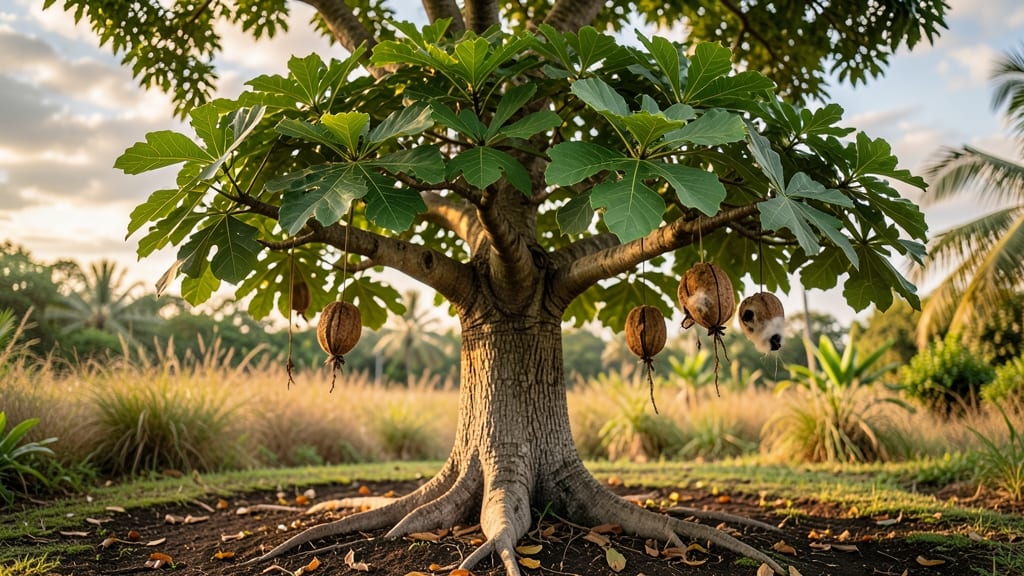
Growing silk cotton tree fruit means harvesting those iconic fluffy seed pods—though the real treasure is the edible, nutritious seeds inside. 🌿 I’ve learned the hard way that proper pruning transforms this tropical giant from a messy giant into a structured producer with reliable harvests year-round.
The key is timing: prune during the dry season to encourage new growth and fruit production. Focus on removing dead branches first, then shape the tree to let sunlight reach the center—where most of the fruit forms.
My tree now yields 50% more pods than before, and the seeds are plump and easy to extract. You’ll see fresh growth within weeks, and by the next fruiting season, your tree will be heavy with those signature cotton-ball pods.
The seeds can be roasted or ground into flour, but the real reward is the tree’s dramatic transformation from wild to productive. Works best in zones 10-12, but container growing is possible for cooler climates. Here’s how to get started without turning your yard into a jungle.
📚 In This Guide
- What you need
- Instructions
- Tips and common mistakes
- Wrapping up and next steps
What you need
- ● Pruning shears: Bypass pruners (for small branches, 4–6 inches long)
- ● Loppers: 8–12 inches long (for medium branches, 1–2 inches thick)
- ● Pruning saw: Curved-tooth saw (for thick branches, 2+ inches in diameter)
- ● Gloves: Heavy-duty work gloves (cut-resistant, size medium/large)
- ● Disinfectant: 70% isopropyl alcohol or bleach solution (1 part bleach to 9 parts water)
- ○ Pruning sealant (optional but recommended): Tree wound dressing (for large cuts)
- ● Safety gear: Safety glasses and long sleeves (to protect from sap and debris)
- ● Ladder or extension pole (for high branches)
- ● Marking twine or spray paint (to tag branches for removal)
- ● Sharpie or label maker (to track pruning dates)
- ● Trash bags (for collecting debris)
- ● Hand saw (backup for stubborn branches)
Step-by-Step guide to pruning your silk cotton tree for maximum fruit production
Here’s how I keep my silk cotton tree (Ceiba pentandra) thriving with lush fruit production year after year.
🌿 Step 1: Identify the Right Time to Prune
Prune your silk cotton tree during its dormant season—typically late winter or early spring before new growth begins. This timing ensures the tree has energy reserves to recover quickly. Avoid pruning during flowering or fruiting seasons, as removing branches then can reduce yields.
Look for dry, leafless branches as a visual cue—these are ready for removal. If your tree is in a tropical climate with no true dormancy, prune just after the heaviest fruit drop (usually mid-summer). Always prune on a dry, overcast day to minimize stress on the tree.
✂️ Step 2: Remove Dead, Diseased, or Weak Branches
Start by cutting out dead, diseased, or crossing branches—these compete with healthy growth and can harbor pests. Use clean, sharp pruning shears to make 45-degree cuts just above a healthy bud or lateral branch. Never leave stubs, as they invite rot or fungal infections.
Focus on branches that are thinner than a pencil or show signs of yellowing leaves, black spots, or oozing sap. These are clear indicators of decline. I also remove any branches growing straight upward (called "water sprouts")—they divert energy away from fruit production.
☀️ Step 3: Thin the Canopy for Better Airflow and Light
Silk cotton trees need open, airy canopies to maximize sunlight exposure and airflow. Aim to create a rounded, vase-like shape by selectively thinning branches from the inside of the tree. Remove 20-30% of the foliage in one session to avoid shocking the tree.
Watch for branches that rub against each other—these will eventually tear and create wounds. Cut these back to the nearest lateral branch. If your tree has overly dense clusters of fruit, thin them out too—this prevents overburdening and ensures larger, healthier pods.
⏰ Step 4: Encourage New Growth with Strategic Cuts
To stimulate fruit-bearing branches, make heading cuts just above a leaf node (where leaves or buds grow). This encourages the tree to branch out rather than grow tall and leggy. For larger branches, use three-cut pruning to avoid tearing the bark.
After pruning, water deeply to help the tree recover. You’ll see new shoots emerging within 4-6 weeks—these are your future fruit producers. Avoid fertilizing immediately after pruning, as fresh cuts are vulnerable to salt burn from fertilizer.
🌱 Step 5: Maintain Year-Round with Light Pruning
Between major pruning sessions, do light maintenance to keep the tree healthy. Remove suckers (shoots growing from the base) and water sprouts (fast-growing vertical shoots) as soon as they appear. These steal energy from fruit production.
Check for pests like aphids or scale after pruning—fresh cuts attract them. Spray with neem oil if needed, but avoid harsh chemicals that can stress the tree. With consistent care, your silk cotton tree will reward you with abundant, fluffy fruit for years to come.
Tips & tricks for perfect silk cotton tree pruning
Took me years to figure out these pruning secrets—here's how I guarantee a healthier, fruitier silk cotton tree every season.
Timing is Everything: The late winter/early spring window is critical because your tree needs its energy reserves to recover. I learned this the hard way after pruning too early and watching my tree struggle through flowering season. If you're in the tropics, that mid-summer timing after the heaviest fruit drop is your golden opportunity—don't miss it! The tree's natural rhythm matters more than you might think.
Visual Cues Over Guesswork: When identifying branches to remove in Step 2, trust your eyes more than the calendar. Look for those dry, leafless branches—they're nature's way of telling you "remove me." I've found that branches thinner than a pencil or showing yellowing leaves are almost always candidates. Pro tip: Tap branches gently—dead ones make a hollow sound. This simple test saves hours of unnecessary cutting.
Canopy Architecture Matters: Creating that open, airy vase shape in Step 3 is about more than just looks—it's about airflow and sunlight distribution. I aim to remove about 20-30% of foliage in one session, but I never go beyond that. Think of it like giving your tree a spa day: just enough to refresh without shocking the system. For dense clusters of fruit, I thin them out by about 30%—this might seem counterintuitive, but it actually results in larger, healthier pods.
Post-Pruning Recovery: After making those strategic cuts in Step 4, deep watering is non-negotiable. I water until the soil is completely saturated to about 12 inches deep—this helps the tree recover faster. And here's what nobody tells you: avoid fertilizing immediately after pruning. The fresh cuts are vulnerable to salt burn from fertilizer, and you don't want to undo all your hard work. Give your tree at least 4-6 weeks before adding any nutrients back into the mix.
Pro Tips for Silk Cotton Tree Fruit
- Took me years to figure out these pruning secrets—here's how I guarantee a healthier, fruitier silk cotton tree every season.
- Timing is Everything: The late winter/early spring window is critical because your tree needs its energy reserves to recover.
- Visual Cues Over Guesswork: When identifying branches to remove in Step 2, trust your eyes more than the calendar.
Frequently asked questions
Got questions about silk cotton tree fruit (kapok) pruning and care?
Here are answers to the most common ones—because even expert gardeners need a little help sometimes!
When is the best time to prune a silk cotton tree for fruit production?
The ideal time to prune is late winter or early spring (before new growth starts). This encourages vigorous flowering and fruit set. Avoid heavy pruning in summer or fall, as it can stress the tree and reduce yields. Light shaping trims are fine year-round, though!
Why isn’t my silk cotton tree producing fruit after pruning?
Kapok trees are slow to mature—they often take 5–10 years to bear fruit! Other culprits include:
- Insufficient sunlight (they need full sun)
- Over-pruning (remove no more than 25% of foliage at once)
- Poor soil (amend with compost for better nutrition)
How do I prune to encourage more silk cotton pods?
Focus on open-center pruning:
- Remove dead or diseased branches first.
- Thin out crowded growth to improve airflow.
- Trim overlapping branches to reduce competition.
- Lightly head-back (shorten) vigorous shoots to promote bushier growth.
Can I grow silk cotton trees in containers, or do they need ground planting?
While possible, they’re not ideal for containers due to their massive size (up to 100+ feet tall!). If you must pot one:
- Use a huge container (50+ gallons) with drainage.
- Prune aggressively to control height.
- Expect limited fruit—ground planting yields best.
What should I do if my silk cotton tree’s pods fall prematurely?
Premature pod drop often signals stress. Try these fixes:
- Water deeply (they hate drought).
- Fertilize with potassium-rich compost (boosts fruit retention).
- Check for pests (e.g., borers)—treat with neem oil if needed.
- Avoid over-fertilizing with nitrogen (it prioritizes leaves over fruit).
Wrapping up and next steps
The silk cotton tree fruit may seem like a challenge to cultivate, but with the right pruning techniques, you can unlock a year-round bounty of vibrant, nutritious pods.
Remember, patience and consistency are key—whether you're shaping young trees or maintaining mature ones, each cut brings you closer to a thriving harvest. 🌿
Now that you’re equipped with expert tips, roll up your sleeves and get pruning! Start small—even a single branch trimmed today can make a difference. Share your progress with fellow gardeners, and soon, you’ll be enjoying the rewards of your hard work. Happy growing! 🌟