
Trees
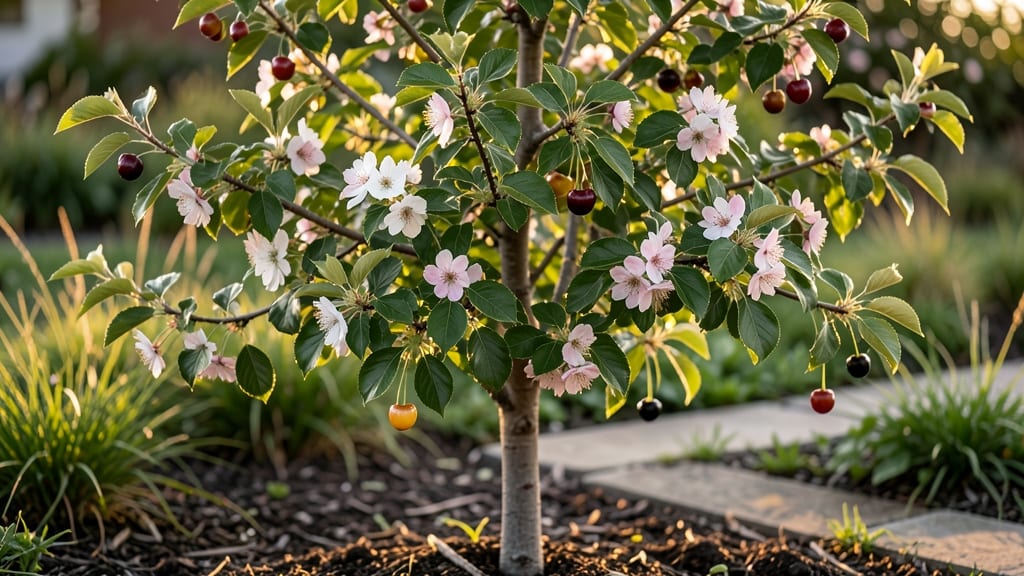
Self-pollinating cherry fruit trees are a gardener’s dream—sweet, juicy cherries without bees buzzing around. I planted my first one last spring, and by midsummer, I was picking fruit without needing a second tree—no bees, no stress, just delicious results. These trees thrive with 6+ hours of sunlight daily and well-draining soil, but the real game-changer is their independence. Unlike their cross-pollinating cousins, they don’t rely on bees or other trees, making them perfect for small yards or urban spaces where planting pairs isn’t an option. By late summer, you’ll be harvesting fruit that’s sweeter and more reliable than store-bought. The key is choosing the right variety—like ‘Stella’ or ‘Sweetheart’—and giving them proper care to keep them productive for decades. Works in zones 5-8, and even beginners can master the basics. Let’s get those trees growing!
📚 In This Guide
- What you need
- Instructions
- Tips and common mistakes
- Wrapping up and next steps
What you need
- ● Self-pollinating cherry tree saplings: Choose 1-3 dwarf or semi-dwarf varieties (e.g., Stella®, Lapins, or Meteor) for easier care. Ensure they’re disease-resistant and suited to your USDA hardiness zone.
- ● High-quality potting soil: 50 lbs of well-draining, organic-rich soil (mix garden soil with compost for best results).
- ● Container or planting hole: Containers: 15-25 gallon pots with drainage holes (for urban growers).
- ● In-ground: Dig a hole twice as wide and as deep as the root ball.
- ● Balanced fertilizer: 10-10-10 or 5-10-10 (organic options like fish emulsion or compost tea work too). Start with 1 cup per tree at planting.
- ● Mulch: 2-3 inches of wood chips or straw to retain moisture and suppress weeds.
- ● Garden gloves (to protect your hands from thorns and soil).
- ● Trowel or shovel (for digging planting holes or containers).
- ● Pruning shears (sterilized with rubbing alcohol to prevent disease).
- ● Watering can or hose with a gentle spray nozzle (cherry trees hate soggy roots!).
- ○ pH testing kit (optional but helpful—cherries thrive in slightly acidic soil (pH 6.0-6.5)).
- ● Sunlight: 6-8 hours of full sun daily—no shade allowed!
- ● Water access: A consistent water source (drip irrigation or soaker hoses work best).
- ● Patience: Self-pollinating trees take 2-4 years to bear fruit, but the wait is worth it! 🍒
- ● Cold hardiness: Verify your tree’s zone compatibility (e.g., Stella® handles zones 5-9).
Step-by-step instructions for planting and caring for self-pollinating cherry trees
Here's how to grow sweet, productive cherry trees without needing bees or other pollinators.
🌱 Step 1: Choose and Prepare the Planting Site
Select a location with full sun exposure (6-8 hours daily) and well-draining soil. Self-pollinating cherries thrive in slightly acidic to neutral soil with a pH between 6.0 and 7.0. If your soil is heavy clay, mix in 3-4 inches of compost to improve drainage before planting.
Dig a hole twice as wide as the root ball but only as deep as the container's height. This encourages roots to spread horizontally rather than settling too deep. Remove the tree from its container and gently loosen any circling roots with your fingers—this helps them establish more quickly in the garden.
🪴 Step 2: Plant the Tree at the Correct Depth
Place the tree in the hole so the top of the root ball sits level with the surrounding soil. You'll see a slight swelling at the base of the trunk called the graft union—this should be 2-3 inches above the finished soil line. Backfill with native soil mixed with 1-2 inches of compost to encourage root growth.
Water deeply right after planting to settle the soil and eliminate air pockets. The hole should hold about 10-15 gallons of water once filled. Press the soil gently around the base, but don't compact it—you want roots to penetrate easily. Mulch with 2-3 inches of organic mulch (like wood chips) in a 3-foot diameter circle, keeping it 6 inches away from the trunk to prevent rot.
☀️ Step 3: Water and Fertilize for Strong Establishment
Water the tree once a week for the first month, providing 15-20 gallons total to encourage deep root growth. After that, water deeply every 10-14 days unless you experience extreme heat or drought. You'll know the soil is properly moist when it feels damp 6 inches below the surface—stick your finger in to check.
Apply a balanced fertilizer (10-10-10) at planting time, then again in early spring and mid-summer. Use about ½ pound per 100 square feet of soil area. Avoid high-nitrogen fertilizers—they promote leafy growth at the expense of fruit production. Self-pollinating cherries need a steady supply of phosphorus and potassium for strong blooms and sweet fruit.
✂️ Step 4: Prune for Shape and Airflow
Prune your cherry tree in late winter or early spring before new growth begins. Remove any dead, diseased, or crossing branches first—these compete for energy and can harbor pests. Cut back to the bud or branch collar (the swollen area where a branch meets the trunk) to prevent damage to the main stem.
Thin out the center of the tree to allow sunlight and airflow to reach all branches. Aim for an open, vase-like shape that lets light penetrate to the inner canopy. You'll see stronger fruit production and fewer fungal issues once the tree has better airflow. Avoid heavy pruning after mid-summer—new growth won't harden off before winter, making it vulnerable to cold damage.
🍒 Step 5: Monitor for Pests and Harvest at Peak Ripeness
Check the tree regularly for aphids, Japanese beetles, or spider mites, which can stress the plant. Spray with neem oil or insecticidal soap if you spot infestations—cherry trees are less resilient when overburdened with pests. Remove any mummified or cracked fruit from last year's harvest to reduce disease risk.
Harvest cherries when they easily detach from the stem and have deepened in color. Sweet cherries will often pop off the stem with a slight twist when ripe. Pick on a dry morning to avoid spreading fungal spores. Store in the refrigerator for up to 2 weeks or freeze for longer storage. You'll know they're ready when the flavor is fully sweet with just a hint of tartness—no more waiting for bees!
Tips & tricks for perfect self-pollinating cherry trees
Growing self-pollinating cherry trees is easier than you think—here's how to avoid common pitfalls and maximize your harvest.
Sunlight Strategy: While the instructions call for 6-8 hours of daily sun, I've found that positioning your tree near a southern-facing fence or wall can actually extend those sunlit hours by up to 2 hours. Early morning and late afternoon sun count too—just make sure the tree isn't shaded by taller plants or structures. If you're in a particularly hot climate, provide afternoon shade during the first growing season to prevent leaf scorch, especially if your soil drains poorly.
Root Establishment Secret: The instructions mention loosening circling roots, but I take this one step further by soaking the root ball in water for 10-15 minutes before planting. This helps hydrate the roots and gives them an immediate energy boost. After planting, I always check for air pockets by pressing the soil gently with my fingers—you should feel slight resistance, not compactness. A simple trick: place a 1-inch layer of coarse sand at the bottom of the planting hole before adding your tree to improve drainage right from the start.
Watering Wisdom: When the instructions say to water deeply every 10-14 days, I recommend using a moisture meter to verify the 6-inch depth of dampness. In sandy soils, you might need to water more frequently, while clay soils can hold moisture longer. A good test: if the soil feels dry at 6 inches but still moist at 3 inches, it's time to water. During the first year, I water at dawn to reduce evaporation and fungal risks. For established trees, I often use drip irrigation set to deliver 1-2 gallons per hour for 2-3 hours every other week during dry spells.
Fertilizer Timing: The balanced 10-10-10 fertilizer schedule works well, but I've found that applying a slow-release granular fertilizer at planting time (in place of the liquid) eliminates the need for mid-summer applications. For the early spring feeding, I mix in a handful of bone meal around the drip line—this provides an extra phosphorus boost that encourages flowering. During fruit development, I switch to a fertilizer with slightly more potassium (like 10-10-20) to help the tree handle the energy demands of ripening fruit.
Pro Tips for Self Pollinating Cherry Fruit Trees
- Growing self-pollinating cherry trees is easier than you think—here's how to avoid common pitfalls and maximize your harvest.
- Sunlight Strategy: While the instructions call for 6-8 hours of daily sun, I've found that positioning your tree near a southern-facing fence or wall can actually extend those sunlit hours by up to 2 hours.
- Root Establishment Secret: The instructions mention loosening circling roots, but I take this one step further by soaking the root ball in water for 10-15 minutes before planting.
Frequently asked questions
Got questions about growing self-pollinating cherry trees without the hassle of bees? You’re not alone! Here are answers to the most common queries to help you cultivate a bountiful harvest with ease.
Can self-pollinating cherry trees produce fruit without any bees?
Self-pollinating varieties (like Stella® or Lapins®) produce fruit independently, thanks to their unique genetics. While bees can still help increase yields by aiding cross-pollination, these trees thrive even in urban areas or regions with low bee activity. Just ensure they’re planted in full sun and well-drained soil for optimal fruiting.
How long does it take for a self-pollinating cherry tree to bear fruit?
Most self-pollinating cherry trees start bearing fruit within 3–5 years after planting, though dwarf varieties may fruit slightly sooner (2–3 years). Patience is key—young trees focus on root and canopy growth first. Prune lightly in early spring to encourage stronger branches and earlier fruiting.
Are self-pollinating cherries as sweet or flavorful as bee-pollinated ones?
Yes! Self-pollinating cherries are bred for consistent sweetness and flavor, often outperforming traditional varieties in taste tests. Brands like Stella® prioritize flavor stability, so you’ll enjoy juicy, reliable fruit regardless of pollination. Just pick when fully ripe (deep color, slightly soft) for peak flavor!
Do self-pollinating cherry trees need winter protection?
Most self-pollinating cherries are hardy, but young trees or cold climates (below -10°F) may need protection. Mulch the base with straw or wood chips in fall, and wrap the trunk with burlap if temps drop sharply. Avoid heavy snow buildup on branches—gently shake it off to prevent damage.
Can I grow self-pollinating cherries in containers or small spaces?
Dwarf or semi-dwarf self-pollinating varieties (like Balaton or Morello) thrive in 15–25 gallon containers with well-draining soil. Place them in full sun and water deeply when soil dries. Just ensure the pot is large enough for root growth—cherry trees hate soggy feet!
What if my self-pollinating tree isn’t fruiting?
Check these troubleshooting steps:
- Age: Trees under 3 years may not fruit yet.
- Sunlight: Ensure 6–8 hours of direct sun daily.
- Soil: Test pH (ideal: 6.0–6.5); amend with compost if needed.
- Pruning: Thin branches in late winter to improve airflow.
- Pests/Disease: Inspect for aphids or fungal spots (treat with neem oil if needed).
Wrapping up and next steps
Growing self-pollinating cherry fruit trees is a rewarding way to enjoy fresh, sweet harvests without the hassle of bees or cross-pollination! These trees are perfect for small gardens, urban spaces, or anyone eager to simplify fruit-growing.
With the right variety, care, and patience, you’ll soon be savoring homegrown cherries—no beeline required! 🍒
Ready to take the next step? Start by selecting your favorite self-pollinating variety, prep your soil, and plant with confidence. Happy growing—and here’s to a bountiful cherry harvest ahead! 🌱✨