
Shrubs
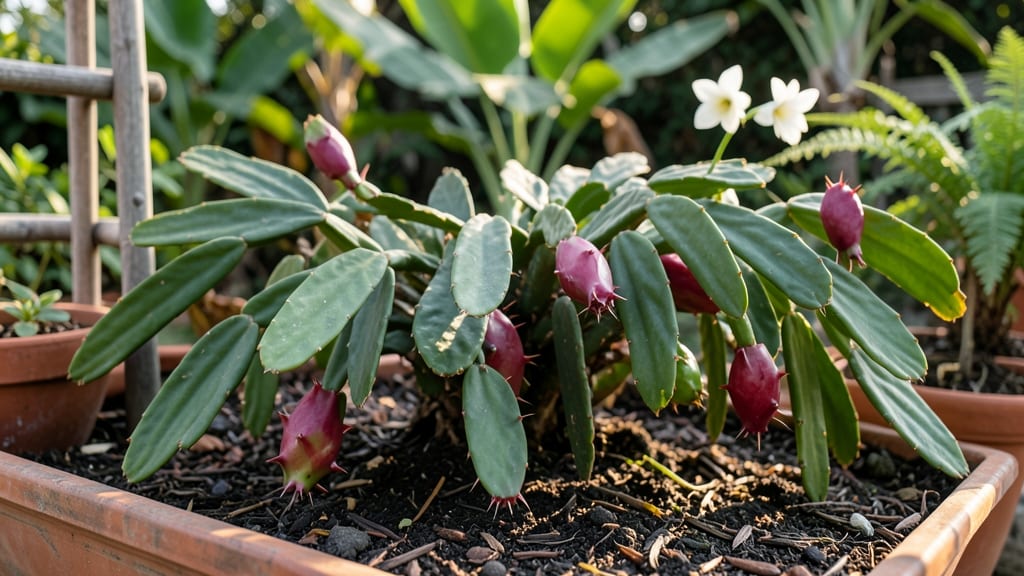
Growing red spikey fruit transforms your yard into a wildlife magnet. 🌿 Pyracantha, hawthorn, and barberry produce clusters of bright berries that birds adore—and their thorns deter intruders. The secret to bold harvests lies in matching the right species to your climate while mastering pruning for fruit production.
These shrubs thrive in full sun to partial shade and tolerate poor soil, making them perfect for hedges or privacy screens. Start with bare-root plants in early spring or fall, spacing them 3-6 feet apart.
Propagation from cuttings works too, though it takes patience. The key? Well-draining soil and consistent watering until established.
By summer, you’ll see glossy leaves and clusters of red berries forming. Prune in late winter to shape the plant and encourage fruit production—cut back 1/3 of old growth annually.
Watch for aphids or fungal spots, treating early with neem oil or horticultural soap. The payoff? A shrub that feeds birds, adds color, and lasts for decades.
Harvest the berries in fall for ornamental arrangements or bird feeders (though some species are toxic). For experienced gardeners, experiment with espaliered forms or layered plantings. Whether you’re planting one or a hedge, these shrubs deliver year-round interest with minimal fuss.
📚 In This Guide
- What you need
- Instructions
- Tips and common mistakes
- Wrapping up and next steps
What you need
- ● Red spikey fruit plant: 1–3 young plants (nursery-grown, 1–2 years old, Crataegus or Pyracantha species)
- ● OR seeds (fresh, collected from ripe fruit—germination is slow!)
- ● Well-draining soil: Mix of garden soil + compost + perlite (pH 6.0–7.0).
- ● Sunlight: Full sun (6+ hours daily) or partial shade (for hot climates).
- ● Watering can or hose: With a gentle spray nozzle (avoid soggy roots!).
- ● Fertilizer: Balanced 10-10-10 or organic compost (spring/fall).
- ● Gloves: Prickly branches = sharp tips! Wear gardening gloves.
- ● Pruning shears: Bypass pruners (sterilized with rubbing alcohol).
- ● Mulch: Wood chips or straw (2–3 inches) to retain moisture.
- ● Trellis/stakes: For young plants (if needed for support).
- ○ Bird netting: Optional—protects fruit from hungry birds!
Step-by-step instructions for growing red spikey fruit
Here’s how to cultivate vibrant, thriving red spikey fruit plants with minimal fuss.
🌱 Step 1: Select the Right Location and Prepare Soil
Red spikey fruit thrives in full sun, so choose a spot that gets at least 6-8 hours of direct sunlight daily. If your climate is hot, afternoon shade helps prevent stress. The soil should drain well—amend heavy clay with 2-3 inches of compost to loosen it, and avoid soggy conditions.
Test your soil’s pH—ideal levels are between 6.0 and 7.0. If it’s too acidic, add crushed limestone; for alkaline soil, mix in sulfur. Loosen the top 12 inches of soil with a garden fork to encourage root spread. Here’s the thing—red spikey fruit roots are shallow but wide, so don’t overwork the soil deeper than necessary.
☀️ Step 2: Plant at the Right Time and Depth
Plant in early spring, after the last frost, when soil temperatures reach 60°F or warmer. Dig holes twice as wide as the root ball but only 1 inch deeper—burying too deep can cause rot. Space plants 3-4 feet apart to allow airflow and prevent disease.
Gently remove the plant from its container and tease apart any tangled roots. Place it in the hole, backfill with soil, and firm gently around the base. Water deeply to settle the soil and eliminate air pockets. You’ll know it’s right when the soil surface looks slightly compacted but not hardened.
💧 Step 3: Water Consistently and Monitor Growth
Keep the soil evenly moist but never soggy—1 inch of water per week is ideal, more in extreme heat. Water at the base, avoiding leaves to prevent fungal issues. Mulch with 2-3 inches of organic mulch (like shredded bark) to retain moisture and regulate soil temperature.
Watch for new growth—first true leaves should appear within 4-6 weeks. If growth stalls, check for pests like aphids or mites on the undersides of leaves. A strong plant will have deep green, glossy leaves and sturdy stems. Real talk: Overwatering here is the biggest mistake—roots rot faster than you’d think.
✂️ Step 4: Prune and Support for Maximum Yield
Prune in early spring to remove dead or crossing branches, cutting just above a leaf node. Thin out crowded stems to improve airflow—aim for 3-4 main branches per plant. Red spikey fruit benefits from light pruning after harvest to encourage bushier growth next season.
Install stakes or a small trellis if your variety grows tall—this prevents sprawling and makes harvesting easier. Tie stems loosely with soft plant ties, adjusting as the plant grows. You’ll see the difference in fruit production when plants are supported properly.
🍓 Step 5: Harvest at Peak Ripeness
Harvest when the fruit is fully red and slightly soft to the touch—usually 60-90 days after flowering. Twist gently to avoid damaging the stem. Pick in the morning when temperatures are cooler to preserve quality. Store in the fridge for up to 5 days or freeze for longer storage.
Don’t wait too long—overripe fruit loses flavor and texture quickly. I like to harvest every 2-3 days during peak season to keep production steady. The first harvest is always the sweetest reward for your patience.
Tips & tricks for growing thriving red spikey fruit
Here's what nobody tells you about growing these vibrant plants—details that separate a decent harvest from a spectacular one.
Sunlight Strategy: While 6-8 hours of sunlight is ideal, red spikey fruit actually thrives with morning sun and afternoon shade in hot climates. I've noticed plants in my zone 9 garden produce more vibrant fruit when shaded after 2 PM—this prevents leaf scorch while still giving them enough light for photosynthesis. The key is to monitor leaf color: if they start yellowing at the edges, they're getting too much direct afternoon heat.
Soil Depth Insight: That 12-inch soil loosening in Step 1 is crucial because red spikey fruit roots spread horizontally, not deep. I learned this the hard way when my first plants struggled in compacted soil. Use a broadfork to aerate without disturbing the soil structure too much—think of it like fluffing a pillow rather than turning it upside down. This creates the perfect environment for those wide-spreading roots to establish quickly.
Watering Wisdom: The 1-inch-per-week guideline works for most climates, but I've found that red spikey fruit actually benefits from slightly less frequent watering once established. Let the top 2 inches of soil dry out between waterings after the first month—this encourages deeper root growth. The mulch layer you add helps maintain consistent moisture levels while preventing evaporation. Watch for wilting leaves as your signal to water rather than sticking to a rigid schedule.
Harvest Timing: That 60-90 day window after flowering can feel like a guessing game, but here's my trick: harvest when the fruit's color is uniform red and it gives slightly when gently squeezed. I also check the stem—if it twists off easily with a slight pop, that's your cue. Morning harvesting is ideal because the fruit's sugar content is highest after a cool night. Pro tip: use a small pair of pruning shears for clean cuts on stubborn stems, but always twist for the majority of your harvest to avoid damaging the plant.
Pro Tips for Red Spikey Fruit
- Here's what nobody tells you about growing these vibrant plants—details that separate a decent harvest from a spectac...
- Sunlight Strategy: While 6-8 hours of sunlight is ideal, red spikey fruit actually thrives with morning sun and after...
- Soil Depth Insight: That 12-inch soil loosening in Step 1 is crucial because red spikey fruit roots spread horizontal...
Frequently asked questions
Got questions about growing red spikey fruit (like Hawthorn berries or Pyracantha)? You’re not alone! Here are answers to the most common queries to help you crush your harvest.
What’s the best time to plant red spikey fruit shrubs?
Plant in early spring (after the last frost) or fall (6-8 weeks before the first frost). This gives roots time to establish before extreme temperatures. Avoid summer planting—heat stress can stunt growth. For container-grown shrubs, plant anytime soil isn’t frozen!
How long does it take for these shrubs to bear fruit?
Patience is key! Most red spikey fruit shrubs (like Pyracantha) take 3–5 years to produce fruit after planting. Young shrubs focus on root and branch growth first. Choose established nursery plants (2–3 years old) to speed up fruiting.
Are the red berries safe to eat, or are they toxic?
It depends! Pyracantha berries are edible (tart, slightly sweet) but not palatable raw—cook or ferment them first. Hawthorn berries are also edible but high in cyanogenic glycosides; consume in moderation. Always confirm the species before eating—some ornamental varieties are toxic!
Why aren’t my shrubs producing fruit, even after years of growth?
Common culprits: lack of pollinators (hand-pollinate with a paintbrush if needed), poor sunlight (6+ hours daily), or over-fertilizing with nitrogen (which boosts leaves, not fruit). Prune in late winter to encourage flowering branches. If issues persist, check for pests (aphids, spider mites) or disease (fire blight).
Can I grow red spikey fruit in containers, or do they need garden space?
Dwarf varieties like Pyracantha ‘Lalandei’ thrive in 5-gallon containers with well-draining soil. Use a balanced fertilizer (10-10-10) and repot every 2–3 years. Place containers in full sun and water deeply when the top inch of soil dries. Just ensure the pot has drainage holes!
Pro Tip: Boost fruit production
Thin crowded branches in late winter to improve airflow (reduces disease). Mulch with wood chips to retain moisture, and prune after fruiting to encourage next year’s crop. A light potassium-rich fertilizer in early spring also helps!
Wrapping up and next steps
Growing your own red spikey fruit—like the vibrant pomegranate or hackberry—is a rewarding journey that brings bold flavors and stunning visuals to your garden! 🌱 With the right soil, sunlight, and a little patience, you’ll soon enjoy a harvest that’s as satisfying as it is delicious.
Whether you’re a seasoned gardener or just starting out, every spikey fruit you nurture is a step toward self-sufficiency and nature’s sweetest surprises.
Ready to take the next step? Start small—plant a single shrub or a few seeds this season, and watch your green thumb grow! Share your progress with fellow gardeners, experiment with recipes, or even gift your harvest to friends. The best adventures begin with a single seed. 🌟