
Fertilization
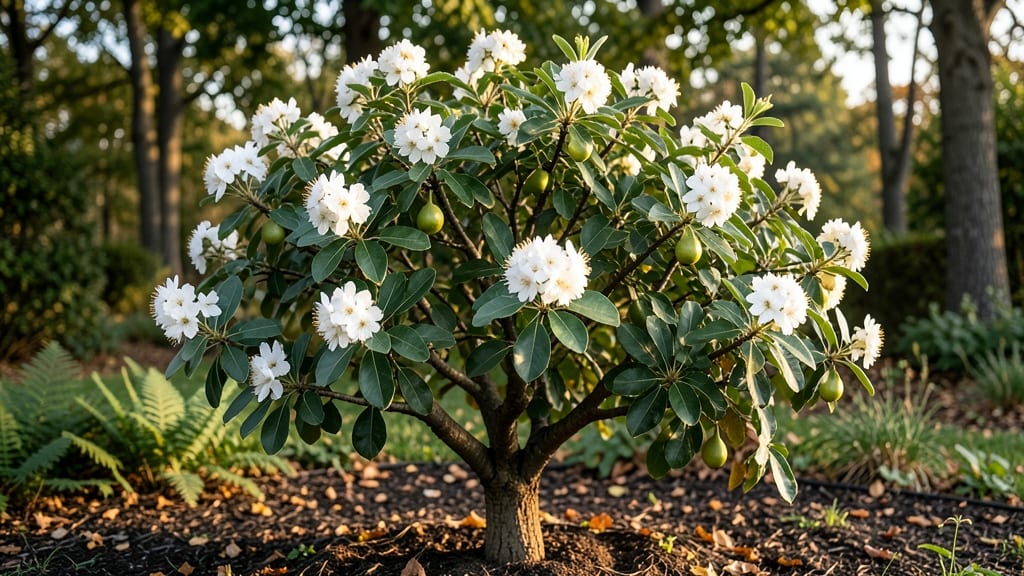
The Pyrus Chanticleer fruit offers a compact, ornamental pear experience with its striking glossy red skin, delicate white blossoms, and honey-sweet flavor when fully ripe. This dwarf variety thrives in small spaces and produces juicy fruit perfect for fresh consumption or homemade preserves.
The Chanticleer pear stands out as a dual-purpose variety—equally prized for its ornamental beauty and delicious fruit. 🌿 Its compact growth habit (typically 12-15 feet tall) makes it ideal for urban gardens or patios, while its disease-resistant nature reduces maintenance.
The tree's fragrant blossoms in spring create a showstopping display, but the real reward comes in late summer when the fruit ripens to a deep red hue and develops that signature luscious sweetness.
I've found that these pears reach their peak flavor when harvested at the perfect balance of firmness and slight give, typically around mid-September in most growing zones.
What makes this variety particularly special is its adaptability. Unlike many fruit trees that demand specific conditions, Chanticleer pears tolerate a range of soil types and perform well in USDA zones 5 through 8.
The fruit's thick skin protects it during transport, making it a great choice for home orchards or commercial small-scale production. When used in preserves, the natural sweetness reduces the need for added sugars, creating a more authentic fruit-forward flavor profile.
💡 In This Article
- Key Traits and Growing Conditions for Chanticleer Pear Trees
- Harvesting and Ripening Guide for Chanticleer Pears
Key traits and growing conditions for Chanticleer pear trees
The Chanticleer pear tree (Pyrus communis 'Chanticleer') is a dwarf variety bred specifically for its compact growth habit, reaching only 12-15 feet tall at maturity with a spread of about 8-10 feet. This makes it perfect for small gardens, urban landscapes, or even large containers.
The tree's semi-dwarf rootstock allows growers to maintain its size through annual pruning, which also enhances air circulation and reduces disease risks. 🌱 What's remarkable is how its dense branching creates an almost bush-like appearance, unlike traditional pear trees that grow taller with a single trunk.
This variety thrives in USDA hardiness zones 5-8, tolerating winter temperatures down to -20°F once established. The key to its success lies in its adaptability—it performs well in a range of soil types, from sandy loam to clay, as long as drainage is adequate.
Ideal soil pH falls between 6.0-7.5, and the tree benefits from well-draining soil with organic matter. Unlike many fruit trees, Chanticleer pears show good resistance to fire blight and pear scab, two common diseases that plague other varieties, thanks to its hybrid vigor and careful breeding.
Pollination is where Chanticleer pears have a unique requirement. While they produce abundant fragrant white blossoms in early spring, they need a compatible pollinator to set fruit. The best partners are other pear varieties like 'Seckel', 'Bartlett', or 'Anjou' planted within 50 feet of the Chanticleer tree.
The blossoms emit a sweet, almost almond-like scent that attracts pollinators, but cross-pollination ensures better fruit set. 🌸 What most gardeners don't realize is that these blossoms are also highly attractive to bees, which can significantly boost pollination rates in small gardens.
Seasonal care focuses on three critical periods: spring pruning to shape the tree and remove dead wood, summer watering (about 1-1.5 inches per week during dry spells), and fall fertilization with a balanced 10-10-10 or fruit-specific formula.
The tree's shallow root system means it benefits from mulching with organic matter to retain moisture and regulate soil temperature. Unlike many fruit trees, Chanticleer pears don't require heavy pruning beyond structural shaping, making them low-maintenance compared to their larger counterparts.
One of the most practical advantages of growing Chanticleer pears is their early bearing habit. Trees can produce fruit as early as 3-5 years after planting, with full production typically reached by year 7.
The fruit develops on spurs (short shoots) along the branches, which means the tree continues producing even as it ages. This makes it an excellent choice for home orchards where space is limited but consistent harvests are desired.
The combination of its ornamental value, disease resistance, and productive nature makes it a standout variety for both novice and experienced gardeners alike.
For those growing in containers, choose a pot at least 24 inches deep with drainage holes and use a high-quality potting mix amended with compost. Container-grown trees will need regular watering and may require staking for support, but they can still produce fruit with proper care.
The key is to monitor soil moisture closely, as containers dry out faster than in-ground plantings. 💧 This adaptability makes Chanticleer pears one of the most versatile options for modern fruit cultivation.