
Pruning
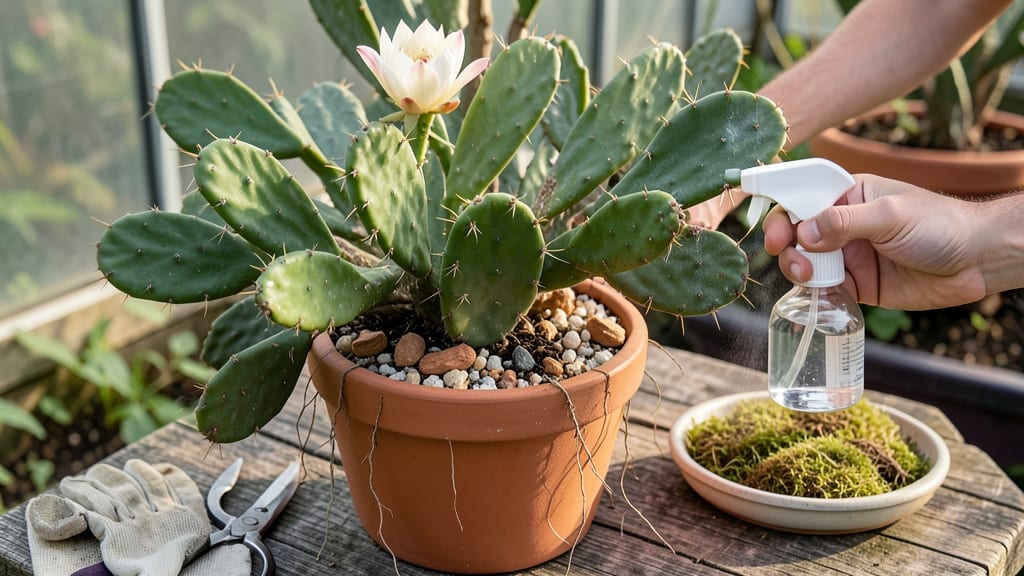
Pruning dragon fruit transforms a tangled mess into a fruit-bearing powerhouse. 🌱 I’ve watched my Hylocereus plants go from scraggly to bursting with 20-pound clusters—all thanks to strategic cuts. The key? Timing, tool choice, and knowing exactly where to slice.
Most gardeners prune after harvest or during dormancy, but dragon fruit thrives with two light prunings per year—spring and fall. You’ll remove dead stems, improve airflow, and redirect energy to fruit production. Skip this, and you’ll end up with weak growth and fewer (but larger) fruits.
After pruning, your plant will respond fast—new shoots emerge within weeks, and next season’s harvest doubles. The secret is patience: never cut more than one-third of the plant at once, or you’ll shock it into decline. Works for both indoor growers and outdoor tropical zones.
Let’s get those shears sharp and those vines thriving!
📚 In This Guide
- What you need
- Instructions
- Tips and common mistakes
- Wrapping up and next steps
What you need
- ● Pruning shears: Bypass pruners (sharp, clean, and sterilized with rubbing alcohol) – 1 pair (avoid dull tools to prevent tearing).
- ● Garden gloves: Thick, cut-resistant (to protect from thorns and sap) – 1 pair.
- ● Disinfectant: Rubbing alcohol (70% isopropyl) or bleach solution (1:9 bleach-to-water ratio) – small bottle.
- ○ Pruning sealant (optional but recommended): Pruning wax or tree sealant – small jar (helps wounds heal faster).
- ● Sharpie or permanent marker: For labeling cuts (if grafting later) – 1.
- ● Plastic bags or paper towels: For collecting pruned material – 1-2.
- ● Compost bin or trash bag: For disposing of pruned stems (avoid composting if diseased).
- ○ Ladder or step stool (optional): For tall plants (6+ feet).
- ● Timing: Prune during dry, sunny days (avoid rainy or windy conditions).
- ● Plant health check: Ensure your dragon fruit is healthy and pest-free before pruning.
- ● Safety first: Wear long sleeves and pants to avoid thorn pricks!
Step-by-Step guide to pruning dragon fruit for maximum fruit production
Here’s how I keep my dragon fruit plants thriving—and loaded with fruit—throughout the year.
🌿 Step 1: Identify the Right Time to Prune
Prune your dragon fruit plant twice a year: once in early spring (just as new growth begins) and again in late summer (after the main harvest). This timing ensures you’re not cutting back when the plant is already stressed or preparing for dormancy. Look for new shoots emerging from the base—that’s your cue for spring pruning.
For late summer, wait until after the first fruit harvest or when you notice older stems turning brown. Avoid pruning during extreme heat or cold snaps, as the plant needs energy to recover. If you live in a warm climate, you might even do a light maintenance trim in fall to remove dead or diseased growth.
✂️ Step 2: Remove Dead, Diseased, or Weak Growth
Start by inspecting the plant for dead stems (they’ll be dry, brittle, and brown) or diseased branches (look for black spots, mold, or unusual discoloration). Use clean, sharp pruning shears to cut these back to the main trunk or a healthy bud. Never leave stubs—always cut just above a leaf node or bud to encourage new growth.
Weak growth includes thin, leggy stems or branches growing inward (toward the center of the plant). These compete for nutrients and block airflow, which can lead to rot. Remove them entirely at the base. You’ll know you’re doing it right when you see new shoots emerging from the base within a few weeks.
🌱 Step 3: Thin Out Overcrowded Stems
Dragon fruit plants produce multiple stems from the base, but too many can overcrowd the plant and reduce fruit production. Aim to keep 3-5 of the strongest, healthiest stems per plant. To thin, identify the thickest, straightest stems—these are your keepers—and cut the rest back to the base.
Here’s the trick: prioritize stems with fruit buds. If a stem has flower buds or small fruit, leave it unless it’s severely overcrowded. If you’re unsure which stems to keep, wait until after the next harvest to assess. You’ll notice the plant looks more open and air circulates better after thinning.
☀️ Step 4: Prune to Encourage Airflow and Sunlight
Dragon fruit plants need good airflow to prevent fungal diseases like powdery mildew. After removing dead or weak growth, step back and look for gaps in the canopy. If branches are too dense, trim back some of the inner growth to let light reach the center. This also helps prevent rot and ensures the remaining stems get enough sunlight.
Focus on outer stems that are spreading outward—these will cast shade on the inner plant. Cut back any crossing branches (where stems rub against each other) to avoid damage. Within a few weeks, you’ll see new shoots filling in the gaps more evenly, and the plant will look fuller and healthier.
⏰ Step 5: Post-Pruning Care for Strong Recovery
After pruning, water deeply to help the plant recover. Dragon fruit plants are drought-tolerant, but new growth needs moisture to establish. Water at the base of the plant (not the leaves) to prevent fungal issues. Follow up with a balanced fertilizer (like 10-10-10) to support regrowth. I like to fertilize 2-3 weeks after pruning for best results.
Keep an eye on the plant for new shoots—they should appear within 3-4 weeks. If you notice yellowing leaves or stunted growth, you might have pruned too aggressively. In that case, reduce watering slightly and give the plant time to bounce back. With proper care, your dragon fruit plant will rebound with vigor and produce even more fruit next season.
Tips & tricks for pruning dragon fruit like a pro
These game-changing tips will help you transform your dragon fruit plant into a fruit-producing powerhouse.
Timing is Everything: The twice-yearly pruning schedule in Step 1 is non-negotiable for maximum production. In early spring, look for those first tender shoots—this is your plant's natural signal it's ready to grow. For late summer, wait until after harvest when you notice older stems starting to brown. I've learned the hard way that pruning too early can stress the plant before it's ready to rebound.
Tool Precision Matters: Always use clean, sharp pruning shears (Step 2). Dull blades crush stems instead of making clean cuts, which invites disease. I sterilize my shears with rubbing alcohol between cuts on different plants. For thicker stems, consider using a pruning saw—just be sure to cut at a 45-degree angle to prevent water pooling at the cut site.
Visual Cues for Healthy Growth: When thinning stems in Step 3, focus on the plant's overall structure. Healthy stems should be thick, straight, and have visible fruit buds. Thin stems that grow inward are competing for sunlight and nutrients, so remove them entirely. I like to step back and imagine looking at the plant from above—this helps me visualize how light and air will flow through the canopy after pruning.
Recovery Care Wins: After pruning, the 2-3 week fertilization window in Step 5 is crucial. Use a balanced fertilizer like 10-10-10 to support new growth. I've found that adding compost to the soil at this time provides additional nutrients without overwhelming the plant. Water deeply at the base, avoiding the leaves to prevent fungal issues—this is especially important in humid climates where dragon fruit thrives.
Pro Tips for Pruning Dragon Fruit
- These game-changing tips will help you transform your dragon fruit plant into a fruit-producing powerhouse.
- Timing is Everything: The twice-yearly pruning schedule in Step 1 is non-negotiable for maximum production.
- Tool Precision Matters: Always use clean, sharp pruning shears (Step 2).
Frequently asked questions
Got questions about pruning dragon fruit?
You’re not alone! Whether you’re a first-time grower or a seasoned gardener, timing, techniques, and troubleshooting can feel tricky. Below, we’ve answered the most common questions to help you keep your dragon fruit plant thriving—and producing those sweet, vibrant fruits year-round.
When is the best time to prune dragon fruit?
Prune your dragon fruit plant twice a year: once in early spring (before new growth starts) to shape the plant and remove dead wood, and again in late summer (after harvest) to encourage fall blooms. Avoid pruning during frost or extreme heat—wait for mild weather to minimize stress.
How much should I trim off my dragon fruit plant?
Remove about 1/3 of the plant’s height during each pruning session, focusing on:
- Dead or diseased branches (cut at the base).
- Overcrowded stems (leave 2–3 main trunks for airflow).
- Leggy or weak growth (trim just above a leaf node).
Can I prune dragon fruit in winter?
Pruning in winter is risky unless you’re in a frost-free zone. Dragon fruit plants are tropical and need warmth to heal. If you must prune in cooler months, do so lightly (only remove dead/damaged areas) and avoid heavy cuts. Wait until spring for full pruning to boost regrowth. →
Will pruning reduce my dragon fruit harvest?
Not if done correctly! Pruning actually increases fruit production by:
- Improving air circulation (reduces pests/disease).
- Encouraging healthier, thicker stems (more blooms).
- Redirecting energy to fruit-bearing pads.
What if my dragon fruit plant isn’t flowering after pruning?
No flowers? Check these fixes:
- Light: Dragon fruit needs 6+ hours of sunlight daily—move to a sunnier spot.
- Age: Plants must be 1–2 years old before flowering.
- Fertilizer: Use a balanced, low-nitrogen fertilizer (like 5-5-5) to encourage blooms.
- Temperature: Keep soil above 50°F (10°C)—cold stress delays flowering.
Wrapping up and next steps
Pruning your dragon fruit isn’t just about keeping plants tidy—it’s the secret to year-round harvests and healthier growth!
By mastering the art of precision trimming, you’ll encourage more blooms, stronger stems, and even bigger fruit. 🌱 Whether you’re a beginner or a seasoned grower, these techniques make the process simple and rewarding.
Ready to transform your dragon fruit plant? Start by observing your plant’s growth and applying the steps you’ve learned—your future harvests will thank you! 🍈 For extra confidence, bookmark this guide or jot down notes on your pruning schedule to stay on track.