
Pruning
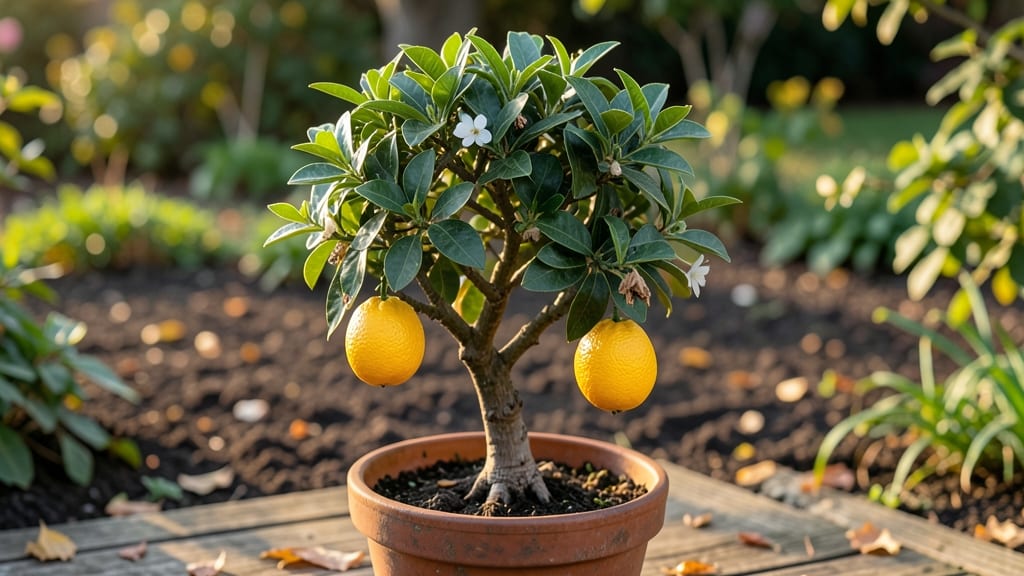
Growing a pineapple orange fruit tree turns your yard into a year-round citrus goldmine—but only if you prune it right. 🌱 I’ve watched this tree transform from a scraggly sapling into a lush producer, and the secret lies in shaping it before it gets too wild.
The fruit itself—juicy, sweet-tart, and packed with flavor—is worth the effort, but without proper pruning, you’ll end up with small harvests and tangled branches.
This isn’t your average citrus tree. The pineapple orange (Citrus × amblycarpa) stays compact (8–12 feet tall) but needs full sun and well-draining soil to thrive.
Unlike standard oranges, it handles pruning like a pro—cut back one-third of the oldest wood in late winter to encourage new growth and bigger fruit. The key? Shape it open so sunlight and air circulate, preventing fungal issues that plague dense trees.
By summer, you’ll see the payoff: bright green foliage, fragrant white blossoms, and fruit that ripens in waves from late fall through winter. The flavor? A mix of pineapple and orange—unlike anything you’ll find in a grocery store.
With the right pruning, one tree can produce 50+ pounds of fruit per season, enough to share with neighbors or turn into homemade marmalade.
Works in USDA Zones 9–11 (frost kills it, so protect young trees or grow in containers). For colder climates, keep it in pots and bring it indoors during winter.
The best part? No fancy tools needed—just sharp pruners, a little patience, and a love for citrus that tastes like sunshine.
📚 In This Guide
- What you need
- Instructions
- Tips and common mistakes
- Wrapping up and next steps
What you need
- ● Pineapple orange tree: A healthy 1-3 gallon container-grown sapling (ensure it’s grafted for best results).
- ● Well-draining soil: A mix of 60% potting soil, 30% perlite or coarse sand, and 10% compost (or pre-mixed citrus soil blend).
- ● Pot or planting site: Container growers: A 15-20 gallon pot with drainage holes (minimum 18" diameter for mature trees).
- ● In-ground plantings: A sunny, sheltered spot with 6+ hours of sunlight daily and protection from strong winds.
- ● Fertilizer: A balanced citrus fertilizer (e.g., 6-6-6 or 8-3-9 NPK ratio) with micronutrients like zinc and iron. Apply every 4-6 weeks during growing season.
- ● Pruning tools: Bypass pruners (for clean cuts on branches ¼" thick).
- ● Loppers (for branches ½"–1½" thick).
- ● Pruning saw (for thicker branches 1½"+).
- ● Sterilizing solution (70% isopropyl alcohol or bleach water) to disinfect tools between cuts.
- ● Mulch: 2-3 inches of organic mulch (e.g., wood chips or straw) to retain moisture and regulate soil temperature.
- ● Watering can or hose with adjustable nozzle: For deep, slow watering (avoid overhead spraying to prevent fungal diseases).
- ● Tree supports: Stakes or cages for young trees in windy areas.
- ● Citrus-specific fungicide (e.g., copper fungicide) for prevention of melanose or anthracnose.
- ● Soil moisture meter to monitor watering needs (citrus trees hate soggy roots!).
- ● Citrus food supplements: Epsom salt (for magnesium) or liquid iron chelate if leaves show yellowing.
- ● Grafting tools (if propagating your own tree from cuttings).
Step-by-step guide to pruning your pineapple orange tree
Smart pruning keeps this hybrid citrus thriving year-round while maximizing fruit production.
✂️ Step 1: Time Your Pruning for Optimal Growth
Prune your pineapple orange tree in late winter to early spring, just as new growth begins—this is when the tree naturally prepares for its active season. Avoid pruning during cold snaps or extreme heat, as fresh cuts take longer to heal. I always check the weather forecast and schedule my pruning for a calm, mild day when temperatures are between 60-75°F.
This timing ensures you remove dead or weak growth while allowing plenty of time for new branches to develop before summer fruiting. If you miss the spring window, you can do a light shaping prune in early fall, but avoid heavy cuts then—you don’t want to stress the tree before winter dormancy.
✂️ Step 2: Identify and Remove Problematic Growth
Start by examining the tree for dead, diseased, or crossing branches—these are your top priorities. Dead branches are brittle and snap easily when bent; diseased wood often has blackened spots or oozing sap. Use sharp, clean pruning shears to make 45-degree cuts just above a healthy bud or outward-facing branch. I always sterilize my tools with rubbing alcohol between cuts to prevent spreading any potential infections.
Next, look for water sprouts—those fast-growing, vertical shoots that steal energy from fruit production. These usually appear in the center of the tree or along the trunk. Remove these completely at their base, as they won’t develop into strong fruiting branches. Finally, trim any branches that rub against each other—they’ll create wounds that invite pests and disease.
✂️ Step 3: Shape for Airflow and Sunlight
Step back and visualize the tree’s natural shape—pineapple orange trees benefit from an open, vase-like form that allows sunlight to reach the inner branches. Start by thinning out overcrowded areas, focusing on the center of the tree first. Remove branches that grow inward or downward, as these block light and air circulation. Aim to keep the tree’s canopy well-aerated—this reduces humidity buildup, which can lead to fungal issues.
For the outer branches, aim to create a balanced, rounded silhouette. Cut back any branches that grow too long or leggy, pruning them back to a strong lateral branch or bud. I like to leave 3-5 main scaffold branches evenly spaced around the trunk—this gives the tree a sturdy framework while encouraging even fruit distribution. Avoid cutting more than 25% of the tree’s foliage in one session to prevent shock.
🌿 Step 4: Encourage Fruit Production with Strategic Cuts
To boost fruit production, focus on flowering branches—these are the ones that bear the most blossoms. Look for mature wood (at least 1-2 years old) and prune just above a leaf node or bud that faces outward. This encourages new growth in the right direction while preserving the tree’s fruiting potential. I often make light heading cuts (trimming back the tips of branches) to stimulate bushier growth, which in turn leads to more flower clusters.
Pay special attention to any suckers (small shoots growing from the base of the tree). While these might seem harmless, they divert energy away from the main canopy. Remove them completely at the base, as they won’t contribute to fruit production and can weaken the tree’s structure. After pruning, give the tree a balanced citrus fertilizer to support its recovery and fruit development.
🌱 Step 5: Post-Pruning Care for a Strong Recovery
After pruning, water the tree deeply to help it recover from the stress of cutting. Focus on keeping the root zone consistently moist for the first 2-3 weeks, but avoid overwatering—soggy soil can lead to root rot. I like to mulch around the base with 2-3 inches of organic mulch (like wood chips) to retain moisture and regulate soil temperature. Keep the mulch 6 inches away from the trunk to prevent rot.
Monitor the tree closely in the weeks following pruning. New growth should appear within 3-4 weeks—if you don’t see any shoots emerging, the cuts might have been too severe or the tree was already stressed. If you notice any yellowing leaves, wilting, or signs of pests, address the issue immediately. A light application of seaweed-based fertilizer can also help the tree bounce back stronger, promoting healthy new growth and setting the stage for a bountiful harvest.
Tips & tricks for pruning your pineapple orange tree
Here's what I've learned from years of pruning my own pineapple orange tree—these details make all the difference for a healthy, fruit-bearing hybrid.
Timing is Everything: The late winter to early spring window is critical because this is when your tree naturally enters its active growth phase. I've found that pruning during this period—when temperatures hover between 60-75°F—gives fresh cuts time to heal before summer's heat stress. If you must prune in fall, keep it light and avoid heavy cuts that could weaken the tree before winter dormancy. The goal is to stimulate new growth without shocking the tree, especially when aiming for that summer fruiting cycle.
Tool Preparation Matters: Never underestimate the importance of clean, sharp tools. I sterilize my pruning shears with rubbing alcohol between each cut to prevent spreading potential infections. Dull blades crush rather than cleanly cut, which damages the tree's tissue and invites disease. For larger branches, I use a pruning saw with a fine-tooth blade—this creates smoother cuts that heal faster. Always make your cuts at a 45-degree angle just above a healthy bud or outward-facing branch to encourage proper regrowth.
Visual Cues for Healthy Pruning: When identifying branches to remove, look for these telltale signs: dead branches snap easily when bent, diseased wood often shows blackened spots or oozing sap, and crossing branches create wounds that become pest entry points. For water sprouts, they're usually those fast-growing vertical shoots in the tree's center—they look like they're reaching for the sky but actually steal energy from fruit production. Remember that mature wood (1-2 years old) is where you'll find the most productive flowering branches for your citrus harvest.
Post-Pruning Recovery Strategy: After pruning, I always give my tree a deep watering to help it recover from the stress of cutting. The key is keeping the root zone consistently moist for the first 2-3 weeks while avoiding waterlogged soil. I've had great success with 2-3 inches of organic mulch around the base—just keep it 6 inches away from the trunk to prevent rot. Watch for new growth appearing within 3-4 weeks; if you don't see any shoots, it might be time to reassess whether your cuts were too severe or if the tree was already stressed before pruning.
Pro Tips for Pineapple Orange Fruit Tree
- Here's what I've learned from years of pruning my own pineapple orange tree—these details make all the difference for a healthy, fruit-bearing hybrid.
- Timing is Everything: The late winter to early spring window is critical because this is when your tree naturally enters its active growth phase.
- Tool Preparation Matters: Never underestimate the importance of clean, sharp tools.
Frequently asked questions
Got questions about growing and pruning your pineapple orange fruit tree? You’re not alone!
Here are answers to the most common queries to help you keep your citrus tree thriving year-round.
How often should I prune my pineapple orange tree?
Prune your pineapple orange tree 2-3 times a year—lightly after harvest (to encourage new growth), in late winter (for shape and airflow), and as needed to remove dead or overcrowded branches. Avoid heavy pruning in summer to prevent stress. Pro tip: Use sharp, sterilized shears to make clean cuts just above a leaf node!
When is the best time to harvest pineapple oranges?
Harvest when the fruit is fully colored but still slightly firm—usually between fall and early winter (varies by climate). They won’t ripen further off the tree, so pick them at peak flavor. If left too long, they may drop or become mealy. Pro tip: Smell the stem—sweet, citrusy aromas mean it’s ready!
Why aren’t my pineapple oranges ripening?
Common causes include inadequate sunlight (6+ hours daily), overwatering (let soil dry between waterings), or nutrient deficiencies (use citrus-specific fertilizer). Check for pests (like aphids) and ensure proper drainage. If the tree is young, patience is key—it may take 2-3 years to bear fruit!
Can I grow a pineapple orange tree in a container?
Yes! Use a large pot (15+ gallons) with drainage holes and well-draining soil. Choose dwarf varieties like ‘Calamondin’ for smaller spaces. Move containers outdoors in warm months and bring them inside (or protect from frost) when temperatures drop below 40°F (4°C). Pro tip: Rotate the pot occasionally for even growth!
What’s the difference between pineapple oranges and regular oranges?
Pineapple oranges (like Citrus × sinensis ‘Pineapple’) are a sweet, fragrant hybrid with a tangy-sweet flavor and a hint of pineapple aroma. They’re smaller, seedless (often), and thrive in warmer climates. Regular oranges (like Navels) are juicier but less aromatic. Both need similar care—just adjust pruning for shape and fruit load!
Wrapping up and next steps
Growing a pineapple orange fruit tree is a rewarding journey that brings year-round citrus delights to your backyard! With the right pruning techniques, you’ll not only boost fruit production but also keep your tree healthy and vibrant.
Whether you’re a seasoned gardener or just starting out, this guide gives you the tools to succeed—so roll up your sleeves and enjoy the sweet rewards of your labor! 🌱✨
Ready to take the next step? Start pruning today and watch your pineapple orange tree thrive—your taste buds (and neighbors!) will thank you! 🍊🌿