
Pruning
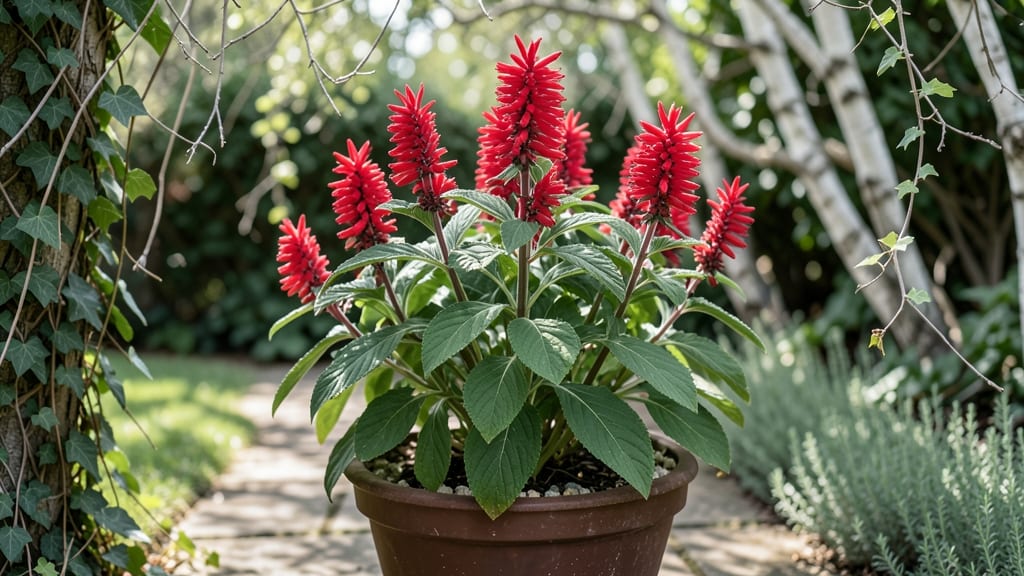
Growing a pineapple fruit tree indoors lets you enjoy tropical flavors year-round—even in cold climates. 🌱 I’ve grown these quirky plants for years, and dwarf varieties like ‘Sugarloaf’ or ‘Queen’ thrive in containers, producing fruit in just 18-24 months. The key? Mimicking their natural tropical habitat without needing a greenhouse.
You’ll need a sunny spot (6+ hours of light daily), well-draining soil, and a pot with drainage holes—no fancy equipment required. Pineapples hate soggy roots, so I use a mix of cactus soil and perlite to keep things airy.
Fertilize lightly with a balanced formula every 6 weeks, and watch those spiky leaves transform into a sweet, golden fruit.
By summer, you’ll be harvesting pineapples that taste fresher than anything at the store. The plant itself becomes a conversation piece, with its rugged, architectural leaves and the occasional surprise fruit. Just avoid overwatering—this is one plant that’d rather be thirsty than drowned.
Perfect for apartments, patios, or even sunny windowsills. With the right care, you’ll go from bare crown to fruiting plant in record time—no tropical vacation required. Here’s how to make it happen without the guesswork.
📚 In This Guide
- What you need
- Instructions
- Tips and common mistakes
- Wrapping up and next steps
What you need
- ● Dwarf pineapple plant (e.g., Ananas comosus 'Sugarloaf' or 'Queen') – 1-3 plants (check local nurseries or online suppliers).
- ● Container or pot – 1-2 large containers (12-18 inches deep) with drainage holes. Terracotta or fabric pots work best!
- ● High-quality potting mix – 2-3 bags of well-draining cactus/succulent mix or a blend of peat, perlite, and sand (50/30/20 ratio).
- ● Slow-release fertilizer – 1 bag of balanced (10-10-10) or citrus-specific fertilizer.
- ● Pruning shears or sharp scissors – For trimming dead leaves or overgrowth.
- ● Watering can with a narrow spout – To avoid disturbing the soil.
- ● Mulch (gravel or pine bark) – Helps retain moisture and regulate soil temperature.
- ● Support stake or trellis – If your pineapple grows tall (though dwarf varieties usually don’t need it).
- ● pH testing kit – Ensures soil is slightly acidic (4.5-6.5 pH).
- ● Grow lights (LED or fluorescent) – If indoor growing lacks natural sunlight.
Step-by-step instructions for growing dwarf pineapple trees
Here's how to cultivate these tropical beauties successfully in containers.
🌱 Step 1: Select and Prepare Your Dwarf Pineapple Variety
Choose a dwarf variety like 'Sugarloaf' or 'Queen'—they stay under 3 feet tall and thrive in pots. Start with a healthy, mature crown (the leafy top) from a grocery store pineapple. Let the base dry out for 2-3 days to prevent rot, then trim the fruit below the crown, leaving 1-2 inches of stem attached.
Remove the lower leaves until you expose the brown, woody base about halfway down. This ensures the crown has enough stability to root. Soak the trimmed crown in lukewarm water for 24 hours to soften the base—this speeds up root formation. Real talk: Skipping the drying step leads to mushy, failed roots.
🪴 Step 2: Plant in Well-Draining Soil and Containers
Use a 6-8 inch diameter pot with drainage holes—pineapples hate wet feet. Fill the bottom 2 inches with perlite or coarse sand to improve drainage. Mix 3 parts potting soil with 1 part perlite for a fast-draining medium. Pineapples need sandy, acidic soil (pH 4.5-6.5), so avoid garden soil.
Place the soaked crown in the pot, ensuring the woody base touches the soil but the leaves stay above it. Gently press the soil around the base to secure it. Water lightly until moisture reaches the bottom—no soggy soil. Here's the thing: Overwatering at this stage drowns the crown before roots form.
☀️ Step 3: Provide Warmth, Light, and Humidity
Pineapples need full sun (6+ hours daily) and warmth (70-90°F). Place the pot in a south-facing window or under grow lights for 12-14 hours daily. If your home runs cooler, a heat mat keeps roots cozy. Mist the leaves daily to maintain 60-70% humidity—pineapples are tropical, not desert plants.
Wait 4-6 weeks for roots to form before fertilizing. You’ll know it’s working when new leaves emerge and the base swells slightly. If leaves yellow, your soil is too wet—let it dry out more between waterings. Don’t skip the humidity; dry air causes leaf tips to brown.
💧 Step 4: Water and Fertilize for Growth
Water when the top 1-2 inches of soil feel dry—deeply but infrequently. Stick your finger in; if it’s dry past your first knuckle, it’s time. Use room-temperature water to avoid shocking the roots. Fertilize monthly with a balanced, water-soluble fertilizer (10-10-10) diluted to half strength during spring and summer.
In fall and winter, reduce fertilizer to every 6-8 weeks—pineapples rest in cooler months. Watch for bracts (the spiky flower stalks) forming after 18-24 months. This is your reward for patience! If bracts appear but no fruit follows, your plant may need more sunlight or warmth.
✂️ Step 5: Prune and Harvest Your Pineapple
Remove yellow or damaged leaves with clean scissors to redirect energy to fruit production. If your pineapple develops a fruit, it’ll take 6-12 months to ripen. Harvest by twisting gently until the fruit separates from the plant—no cutting. Let it ripen at room temperature for 2-3 weeks before eating.
After harvesting, the mother plant may send up pups (baby pineapples). Wait until they’re 4-6 inches tall before carefully twisting them off and repotting. This extends your pineapple’s life for years of fruit. Here’s the pro tip: Save the pups to share or replant—pineapples multiply like weeds once they’re happy.
Tips & tricks for perfect pineapple fruit tree cultivation
A few key insights will help you avoid common pitfalls and maximize success with your dwarf pineapple.
Root Formation Strategy: After the 24-hour soak in lukewarm water, place your prepared crown in a clear glass of water to monitor root development. This lets you see when roots reach about 1-2 inches long—typically within 2-3 weeks—before transplanting. I've found this visual cue prevents over-soaking, which can cause rot. The roots should appear white and firm, not mushy or brown.
Soil Mix Precision: The 3:1 ratio of potting soil to perlite is non-negotiable for proper drainage, but here's what nobody tells you: Add a handful of coir fiber to the mix for extra moisture retention during dry spells. This tropical plant still needs consistent moisture without becoming waterlogged. Test your mix by squeezing a handful—it should crumble easily when dry, not stay clumped.
Lighting Optimization: While 6+ hours of direct sunlight is ideal, indoor grow lights can be a game-changer if natural light is limited. Use full-spectrum LED grow lights positioned 12-18 inches above the plant for those 12-14 hours daily. I've seen dramatic growth improvements with this setup, especially in winter months when daylight is scarce. Rotate the pot weekly to prevent lopsided growth toward the light source.
Humidity Maintenance: The daily misting requirement can be challenging in dry climates. Create a humidity dome by placing the pot on a tray of pebbles with shallow water underneath—just make sure the pot isn't sitting directly in water. For extra insurance, group your pineapple with other tropical plants to create a microclimate. A hygrometer helps track those crucial 60-70% humidity levels without guesswork.
Pro Tips for Pineapple Fruit Tree
- A few key insights will help you avoid common pitfalls and maximize success with your dwarf pineapple.
- Root Formation Strategy: After the 24-hour soak in lukewarm water, place your prepared crown in a clear glass of water to monitor root development.
- Soil Mix Precision: The 3:1 ratio of potting soil to perlite is non-negotiable for proper drainage, but here's what nobody tells you: Add a handful of coir fiber to the mix for extra moisture retention during dry spells.
Frequently asked questions
Got questions about growing your own pineapple fruit tree?
Here are answers to the most common concerns—from timing to troubleshooting—so you can cultivate sweet success, even in small spaces!
How long does it take for a pineapple plant to bear fruit?
A dwarf pineapple plant typically takes 18–24 months to produce its first fruit after planting. Patience is key—focus on keeping it healthy with bright light, well-draining soil, and occasional fertilizer. Once it flowers, fruit will follow in about 3–5 months!
Can I grow a pineapple tree indoors in a pot?
Dwarf varieties like ‘Sugarloaf’ or ‘Queen’ thrive in containers as long as they get 6+ hours of sunlight daily. Use a pot with drainage holes (12+ inches wide) and a mix of cactus soil and perlite. Just watch for root-bound signs—repot every 2–3 years if needed!
What if my pineapple plant’s leaves turn brown or yellow?
Brown tips often mean underwatering or fluoride buildup (from tap water). Yellow leaves could signal overwatering or poor drainage. Try these fixes:
Prune only to remove dead leaves or suckers (side shoots). Cut suckers at the base with clean scissors to redirect energy to the main plant. Avoid heavy pruning—pineapples are low-maintenance! Pro tip: Save healthy suckers to propagate new plants. Pineapples need stress or temperature shifts to bloom. Try:
Start with ‘Sugarloaf’—it’s compact (2–3 ft tall), fast-growing, and forgiving. Other beginner-friendly picks:
Do pineapple plants need pruning, and how?
Why isn’t my pineapple flowering?
What’s the easiest dwarf pineapple variety for beginners?
Check local nurseries or online sellers for healthy pups!
Wrapping up and next steps
Growing a pineapple fruit tree—especially a dwarf variety—is a rewarding adventure that brings tropical vibes to your space, whether in a pot or small garden. 🌱 With the right care, patience, and a little creativity, you’ll enjoy sweet, homegrown pineapples in just a few years. Ready to take the next step? Start by selecting your favorite dwarf variety, gather your supplies, and dive in—your future harvest (and bragging rights!) are waiting.