
Fertilization
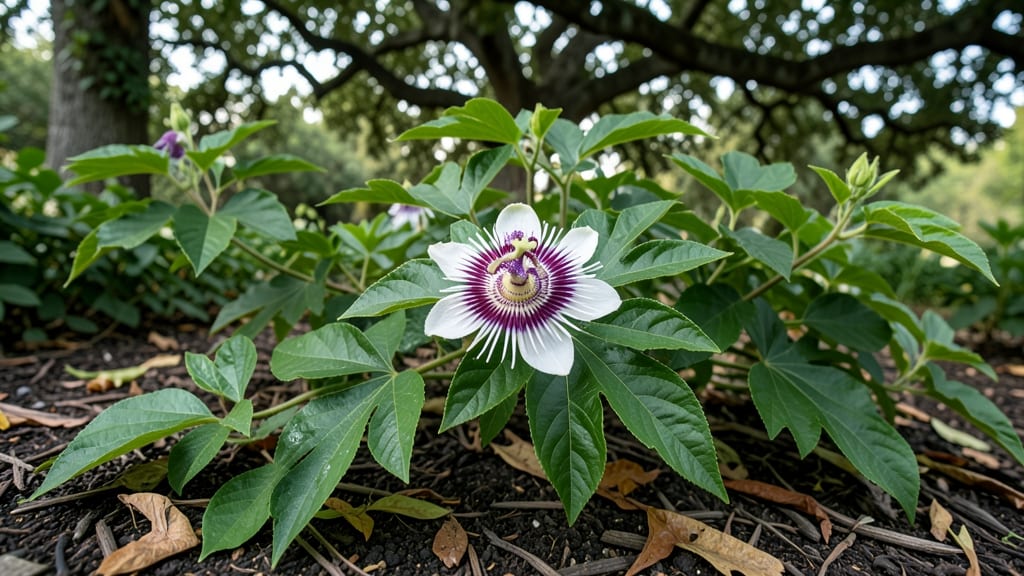
Growing Passiflora incarnata—the maypop or purple passionflower—means turning your yard into a tropical oasis that actually survives winter. 🌿 I’ve grown this hardy vine for years, and it’s the only passionfruit that thrives in colder climates, producing sweet, tangy fruit even in zones 5-9.
The secret isn’t just patience; it’s knowing how to coax its delicate vines through frost while still getting a harvest.
This plant demands three things above all: sunlight (at least 6-8 hours daily), well-draining soil (amend with compost if yours is heavy), and a sturdy trellis or fence—it can climb 20 feet if given room.
The real magic happens when you prune aggressively in early spring, cutting back dead growth but leaving 2-3 healthy canes. This forces the plant to focus energy on new, fruit-bearing vines instead of struggling to recover.
By summer’s end, you’ll be rewarded with clusters of deep purple blooms that turn into those unusual, grapefruit-sized fruits. The flavor? A mix of citrus, pineapple, and honey—nothing like store-bought passionfruit. Even better, the vines stay evergreen in mild winters, giving you a head start on growth when spring arrives.
The only downside? Birds and squirrels will try to steal your harvest before you do.
Works in containers if you live in zone 4 or colder—just move the pot indoors before frost. The key to long-term success? Don’t overwater (root rot is a silent killer) and fertilize lightly in early spring with a balanced 10-10-10.
Once established, this vine needs almost no care—just space to stretch and a little patience. Ready to grow your own tropical treat in a cold climate?
📚 In This Guide
- What you need
- Instructions
- Tips and common mistakes
- Wrapping up and next steps
What you need
- ● Passiflora incarnata plants: 2–3 healthy nursery-grown vines (choose disease-resistant varieties if possible).
- ● Well-draining potting mix: 5–10 gallons (for containers) or enriched garden soil (amend with compost for in-ground planting).
- ● Fertilizer: Balanced 10-10-10 granular fertilizer (1 lb per plant at planting).
- ● Slow-release organic fertilizer (e.g., worm castings or fish emulsion) for ongoing nutrition.
- ● Support structure: A 6–8 ft trellis, arbor, or sturdy fence (vines can grow 15+ ft!).
- ● Mulch: 2–3 inches of organic mulch (straw or shredded leaves) to retain moisture.
- ● Gloves & pruning shears (for handling thorns and trimming).
- ● Drip irrigation system or hose (Passiflora loves consistent moisture!).
- ● Cold-frame or greenhouse (for extending the growing season in cold climates).
- ● Epsom salt (magnesium sulfate) (1 tbsp per gallon of water monthly for vibrant blooms).
- ● Pest control: Neem oil or insecticidal soap (to deter aphids or spider mites).
- ● A sunny location (6+ hours of direct sunlight daily).
- ● USDA Hardiness Zones 5–10 (use containers or overwinter indoors in colder zones).
- ● Patience! Maypop vines take 1–2 years to bear fruit but reward you with years of harvests.
Step-by-step instructions for growing maypop passion fruit in cold climates
Here’s how I’ve grown thriving maypop vines in zones 5-7—with winter protection tricks that actually work.
🌱 Step 1: Choose the Right Location and Plant Your Vine
Maypop (Passiflora incarnata) loves full sun—at least 6-8 hours daily—so pick a south-facing wall, trellis, or fence. I plant mine near a brick wall in zone 6, where it gets reflected heat in winter. The roots need well-draining soil mixed with 2-3 inches of compost—never soggy spots, or the roots rot.
Dig a hole twice as wide as the root ball but only as deep as the container it came in. Loosen the roots gently if they’re circling, then backfill with native soil mixed with compost. Water deeply right after planting—1 gallon per plant—to settle the soil. Mulch with 2-3 inches of straw to protect roots from winter freezes.
☀️ Step 2: Train the Vine and Protect It for Winter
Maypop grows 15-20 feet if left unchecked, so install a strong trellis or arbor at planting. I use a 10-foot wooden trellis with wire mesh for support. Train the main stem along the trellis, tying it loosely with soft plant ties every 2-3 feet as it grows.
In fall, when temps drop below 25°F, cut back the vine to 6-12 inches above ground. Wrap the remaining stem in burlap and mound 12-18 inches of straw around the base. In my zone, this keeps the roots alive through -10°F freezes. Remove the mulch in early spring when new growth appears.
💧 Step 3: Water and Fertilize for Maximum Fruit
Maypop is drought-tolerant once established, but young vines need consistent moisture—water 1-2 times weekly during dry spells, aiming for 1-2 gallons per plant. You’ll know it’s thirsty when the leaves curl slightly or the soil feels dry 2 inches down. Overwatering is worse—roots rot quickly in heavy clay.
Feed in early spring with a balanced 10-10-10 fertilizer (about 1 tablespoon per plant), then switch to a low-nitrogen, high-phosphorus (like 5-10-10) once flowers appear. I also side-dress with compost tea mid-season for a natural boost—this is when the vines really reward you with heavy fruit sets.
✂️ Step 4: Prune for Health and Fruit Production
Prune twice a year: in late winter (before new growth) and after harvest. Remove dead, crossing, or weak stems first—this opens the vine to sunlight and air. Then, cut back overly long branches to 6-8 feet, focusing on the strongest, most productive sections. Maypop flowers on new growth, so don’t prune too aggressively.
Watch for suckers (small shoots at the base) and pests like aphids. I spray with neem oil if I see sticky residue on leaves—aphids love maypop vines. After harvest, trim any spent flower clusters to encourage a second flush of fruit before winter.
🍈 Step 5: Harvest and Extend the Season
Maypop fruits ripen in late summer to fall, turning from green to yellow with brown spots. Gently twist to harvest—don’t pull, or you’ll damage the vine. The flavor improves after 2-3 days off the vine, so let them sit in a cool, shady spot. One vine can yield 20-50 fruits per season with proper care.
To extend harvests in cold zones, plant a second vine 2-3 weeks after the first. This staggers ripening and gives you fruit from July through October. Store unripe fruits in a paper bag at room temp—they’ll ripen slowly. In my garden, I’ve had maypops last into November with this trick.
Tips & tricks for thriving maypop passion fruit in cold climates
Here's what I've learned after growing these tropical vines successfully in zones where they shouldn't survive.
Sunlight Strategy: While the instructions call for 6-8 hours of sun, I've found that reflected heat from south-facing walls or fences can extend that critical sunlight exposure. In my zone 6 garden, the vine gets an extra 2-3 hours of warmth from the brick wall behind it—this makes all the difference when temperatures dip. If you don't have a reflective surface, consider adding a clear plastic sheet on the south side during winter to capture extra heat.
Soil Preparation Secret: The 2-3 inches of compost mentioned is essential, but I take it a step further by mixing in perlite to improve drainage. Maypop roots are particularly vulnerable to rot, and even well-draining native soil can become compacted over time. I also add a handful of worm castings to the planting hole—they introduce beneficial microbes that help the roots establish faster in cold climates.
Winter Protection Upgrade: When cutting back to 6-12 inches above ground, I've discovered that leaving a slightly longer stem (closer to 12 inches) gives you more flexibility for spring regrowth. The extra length provides more nodes where new shoots can emerge. For the straw mound, I use a combination of straw and leaves—this creates better insulation and lasts longer through winter. In particularly harsh years, I've even added a layer of bubble wrap around the base before the straw for extra protection.
Pruning Precision: During the late winter pruning, I focus on creating an open center rather than just cutting back length. This allows sunlight to penetrate to the inner branches, which encourages more fruit production. When cutting back to 6-8 feet in summer, I always make my cuts just above a leaf node—this is where new growth will emerge. I've found that precise pruning at these points results in more vigorous regrowth and better fruit sets in cold climates.
Pro Tips for Passion Fruit Passiflora Incarnata
- Here's what I've learned after growing these tropical vines successfully in zones where they shouldn't survive.
- Sunlight Strategy: While the instructions call for 6-8 hours of sun, I've found that reflected heat from south-facing walls or fences can extend that critical sunlight exposure.
- Soil Preparation Secret: The 2-3 inches of compost mentioned is essential, but I take it a step further by mixing in perlite to improve drainage.
Frequently asked questions
Can Passiflora incarnata survive winter in cold climates?
Yes, but with strategy! This hardy passion fruit thrives in USDA Zones 6-10. In colder zones (like 5 or below), grow it in containers and move it indoors (or under a frost blanket) during winter. Mulch heavily around the base to protect roots from freezing temps. Pro tip: Prune back vines before winter to reduce stress.
How long does it take for Passiflora incarnata to bear fruit?
Patience is key! With ideal conditions (full sun, well-draining soil, and consistent care), you can expect first fruits in 2–3 years. Younger plants focus on root/vine growth, so fertilize lightly (use a balanced 10-10-10 formula) and avoid heavy pruning. Fun fact: Female flowers (with 3 stigmas) are the ones that set fruit!
Are there edible alternatives if my passion fruit isn’t producing?
If your Passiflora incarnata is slow to fruit, try these cold-hardy passion fruit cousins:
- Maypop (Passiflora incarnata’s wild relative) – Edible fruit, easier to grow in cooler climates.
- Hardy Kiwi (Actinidia arguta) – Cold-tolerant, produces sweet berries.
- Gardenia (Gardenia jasminoides) – Non-fruiting but fragrant and low-maintenance.
Why are my passion fruit leaves turning yellow or dropping?
Yellowing leaves (chlorosis) or drooping vines usually signal one of these issues:
- Overwatering – Passion fruit hates soggy roots. Let soil dry 2–3 inches deep between waterings.
- Nutrient deficiency – Add iron or magnesium (common in alkaline soils). A foliar spray helps.
- Pests – Spider mites or aphids suck sap, causing leaf drop. Spray with neem oil or insecticidal soap.
- Transplant shock – If recently potted, ease into sun exposure over 2 weeks.
What’s the best temperature range for growing Passiflora incarnata?
This passion fruit loves warm days (70–90°F) and cool nights (50–60°F). It can tolerate brief dips to 20°F if dormant, but prolonged cold (<32°F) damages foliage. In containers, use black plastic mulch to absorb heat. Heat hack: Train vines on a trellis to improve airflow and prevent fungal issues in humidity.
Wrapping up and next steps
Growing Passiflora incarnata in cold climates isn’t just possible—it’s a rewarding adventure that brings vibrant blooms and delicious passion fruit to your table year-round! 🌱 With the right fertilization strategies, soil prep, and a little patience, you’ll unlock a thriving vine that even frost-challenged gardeners can enjoy.
Whether you’re a seasoned grower or a curious beginner, the key is consistency and care.
Ready to take the next step? Start small—plant a single vine, experiment with your chosen fertilizer, and track its progress. Before you know it, you’ll be harvesting sweet, tropical-tasting fruit even in cooler months. Your cold-climate passion fruit paradise awaits! 🍈✨