
Fertilization
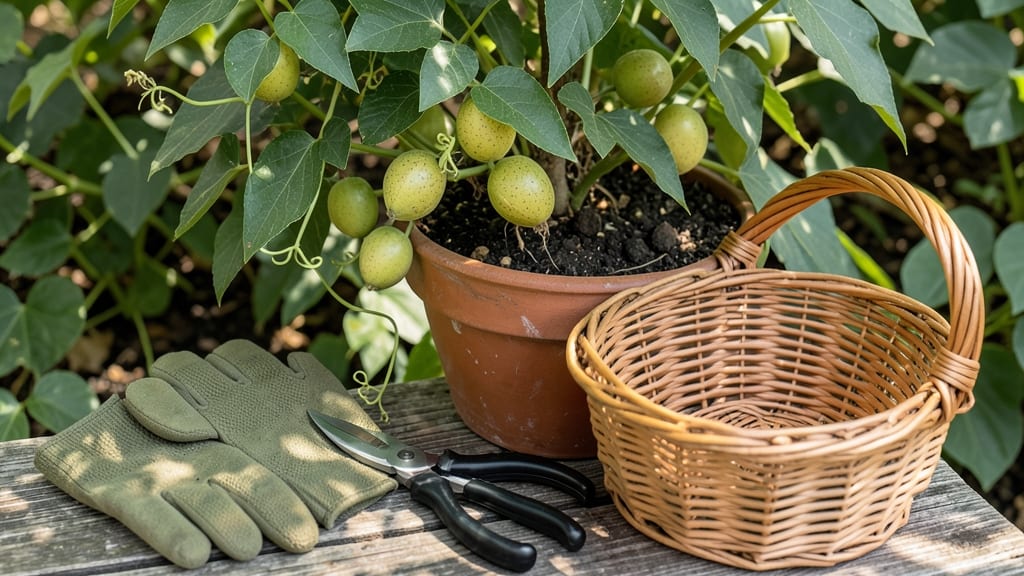
Growing Passiflora suberosa fruit means adding a drought-tough, fragrant vine to your garden that rewards you with edible passionfruit-like treats year-round. 🌱 The corky-stemmed passionflower thrives where others fail—dry soils, hot climates, and minimal fuss—while producing sweet, tangy fruit that’s perfect for jams, teas, or fresh snacking.
My first harvest taught me how resilient this plant truly is, even in my zone 9 heatwaves.
This vine needs full sun and well-draining soil—sandy or rocky works best—because it despises soggy roots. Watering is surprisingly low-maintenance: once established, it handles drought like a champ, though a deep drink every 2-3 weeks keeps fruit production steady.
The real secret? Pruning in late winter to remove dead wood and encourage new growth, which directly boosts fruit set.
By mid-summer, you’ll spot those tiny, edible fruits (yes, they’re safe to eat!) hanging like nature’s tiny lanterns. They’re not as large as commercial passionfruit but pack a sweet, citrusy punch that’s addictive. The vines also attract hummingbirds and butterflies, turning your garden into a living pollinator hotel.
Watch out for mealybugs—they adore this plant—but a simple spray of soapy water keeps them in check. With the right care, your Passiflora suberosa will fruit continuously, proving that drought-resistant plants can be both beautiful and bountiful. Ready to grow one?
📚 In This Guide
- What you need
- Instructions
- Tips and common mistakes
- Wrapping up and next steps
What you need
- ● Passiflora suberosa seeds or nursery-grown plants (3–5 plants for optimal pollination and yield)
- ● Well-draining soil mix (compost + perlite or sand in a 60:40 ratio, pH 6.0–7.0)
- ● 5-gallon pots or in-ground planting space (full sun, 6+ hours daily; raised beds recommended in humid climates)
- ● Balanced fertilizer (10-10-10 or 5-5-5) (1 tbsp per plant every 4–6 weeks during growing season)
- ● Organic mulch (straw or wood chips) (2–3 inches to retain moisture and suppress weeds)
- ● Drip irrigation system or soaker hose (for consistent watering; avoid overhead sprinklers to prevent fungal issues)
- ● Pruning shears (sterilized) (for shaping vines and removing dead growth)
- ● Support structure (trellis, arbor, or fence) (vines can grow 10–20 ft; opt for rust-resistant metal or PVC)
- ● Slow-release organic fertilizer (e.g., worm castings or fish emulsion for a nutrient boost)
- ● Copper tape or fungicide spray (preventative measure against powdery mildew in humid areas)
- ● Handheld fan (for pollination assistance if bees are scarce)
- ● pH test kit (to monitor soil acidity and adjust with lime or sulfur if needed)
- ● Garden journal (to track growth, flowering, and fruiting cycles)
Step-by-step instructions for cultivating Passiflora suberosa
This resilient vine thrives with minimal fuss—here’s how to coax sweet, drought-tolerant fruit from it.
🌱 Step 1: Select and Prepare the Right Site
Choose a location with full sun exposure (6+ hours daily) and well-draining soil. Passiflora suberosa despises soggy roots, so amend heavy soil with 3-4 inches of coarse sand or perlite per square foot. I test drainage by digging a hole, filling it with water, and watching it drain—if it takes more than an hour, add more grit.
This vine spreads aggressively, so plan for a 6-8 foot trellis or sturdy fence to support its sprawling growth. Install the trellis at planting to avoid disturbing roots later. The ideal planting time is early spring, when soil temperatures reach 60°F, ensuring roots establish before summer heat.
🌿 Step 2: Plant and Establish the Vine
Dig a hole twice as wide as the root ball but only as deep. Position the plant so the top of the root ball sits 1 inch below soil level—this prevents stem rot while encouraging strong root growth. Backfill with native soil mixed with compost to promote microbial activity.
Water deeply immediately after planting to settle the soil and eliminate air pockets. Mulch with 2-3 inches of wood chips or straw, keeping it 6 inches away from the stem to prevent rot. The first year focuses on root and vine establishment, not fruit production—expect minimal harvests until the second growing season.
☀️ Step 3: Provide Minimal Care for Maximum Yield
Water only when the top 2 inches of soil feel dry—this drought tolerance is why Passiflora suberosa excels in arid climates. Overwatering leads to blossom drop, so let the soil dry between waterings. Fertilize lightly in spring with a balanced 10-10-10 formula, applying half the recommended rate to avoid excessive foliage at the expense of fruit.
Prune in late winter to remove dead or crossing branches, focusing on opening the center of the vine for airflow. I also trim back leggy growth by one-third to encourage bushier, more productive vines. The flowers are nocturnal and pollinated by moths, so avoid heavy pruning that removes potential bloom sites.
⏰ Step 4: Harvest and Extend the Season
Fruit ripens 60-90 days after flowering, starting as green pods that turn yellow when ready. Harvest by twisting gently—resist cutting stems, as this can damage the vine. The flavor intensifies after picking, so store in a cool, dark place for 3-5 days before eating.
To extend the harvest, protect vines from hard frosts with frost cloth or move potted plants to a sheltered spot. In warm climates, Passiflora suberosa produces fruit year-round with consistent care. Save seeds from ripe fruit to propagate new plants—scrub the pulp off, dry the seeds, and plant them in spring for next year’s crop.
Tips & tricks for cultivating thriving Passiflora suberosa
Between us, growing this vine successfully comes down to a few key decisions that'll make all the difference in fruit production.
Soil Test First: Before planting, I can't stress enough how critical this step is—especially if you're working with heavy clay soil. Grab a handful of your native soil and squeeze it tightly. If it holds its shape for more than a few seconds, you absolutely need to amend it with that 3-4 inches of coarse sand or perlite per square foot. I've seen Passiflora suberosa plants struggle in poorly draining soil, even when everything else seemed perfect. The drainage test with water is your best friend here—if water pools for more than an hour, you're looking at root rot risks.
Trellis Timing Matters: Don't wait until the vine is already sprawling to install that 6-8 foot trellis. The instructions say to install it at planting, and I learned this the hard way after trying to retrofit a trellis to an established vine—it caused significant root disturbance and set back growth by nearly a full season. The vine's aggressive nature means it'll grab onto whatever support you provide, but giving it proper structure from day one prevents tangled, unproductive growth patterns.
Pruning Precision: When you're trimming back that leggy growth by one-third in late winter, focus on removing the oldest, woodiest stems first. These are the ones that produce fewer flowers and lower-quality fruit. I also make a point to leave some of the newer, more flexible growth—these will become your most productive branches. The key is to maintain an open center that allows airflow, which prevents fungal issues while encouraging more abundant flowering. Think of it like giving your vine a haircut that promotes volume rather than length.
Harvesting Technique: That gentle twisting motion when harvesting isn't just about protecting the vine—it's also about preserving the fruit's integrity. When you cut stems, you create an open wound that can invite pests or disease. The twisting method seals the stem naturally while allowing the fruit to detach cleanly. Plus, the flavor really does intensify after picking, so those 3-5 days of post-harvest ripening in a cool, dark place make all the difference in taste. I've found that harvesting in the morning gives me the freshest fruit for immediate consumption.
Pro Tips for Passiflora Suberosa Fruit
- Between us, growing this vine successfully comes down to a few key decisions that'll make all the difference in fruit production.
- Soil Test First: Before planting, I can't stress enough how critical this step is—especially if you're working with heavy clay soil.
- Trellis Timing Matters: Don't wait until the vine is already sprawling to install that 6-8 foot trellis.
Frequently asked questions
Got questions about growing and harvesting Passiflora suberosa fruit?
Here are some of the most common ones—plus straightforward answers to help you succeed!
How long does it take for Passiflora suberosa to bear fruit?
Passiflora suberosa is a fast grower, but fruit production typically takes 12–24 months from planting, depending on climate and care. In warm, drought-tolerant regions (like its native South America), it may fruit within the first year. Patience pays off—healthy vines reward you with year-round harvests once established!
Can I grow Passiflora suberosa in containers? If so, what size pot do I need?
This vine thrives in containers, making it perfect for patios or small gardens. Use a 15–20 gallon pot with drainage holes and a well-draining soil mix. Ensure the pot is at least 12–18 inches deep to support its sprawling roots. Rotate the pot occasionally for even sunlight exposure.
What pests should I watch for, and how do I treat them?
Common pests include aphids, spider mites, and mealybugs. Start with a neem oil spray or insecticidal soap for mild infestations. For stubborn pests, introduce ladybugs or lacewings (natural predators) or use a systemic insecticide as a last resort. Prevention tip: Keep your vine healthy with proper watering and fertilization!
Are there any lookalike fruits I should avoid confusing with Passiflora suberosa?
Yes! Passiflora suberosa (also called "wild passionfruit") can be mistaken for Passiflora edulis (common passionfruit) or Passiflora ligularis (sweet granadilla). Key differences: P. suberosa has thick, corky stems and smaller, rounder fruits (1–2 inches in diameter) with a sweet-tart flavor. Always check the vine’s growth habit and leaf shape for confirmation!
How do I know when Passiflora suberosa fruit is ripe and ready to pick?
Ripe fruit turns deep yellow or orange and feels slightly soft when gently squeezed. The skin may also develop a waxy sheen. Harvest in the morning for the best flavor. Pro tip: Unripe fruit can be left on the vine—it won’t improve, but overripe fruit may attract pests.
Can I grow Passiflora suberosa in cold climates? What’s the hardiness range?
This tropical vine is not frost-tolerant and thrives in USDA zones 9–11. If you live in colder areas, grow it in containers and move it indoors during winter or provide heated greenhouses. In mild winters, mulch the base to protect roots from light freezes (down to ~25°F/-4°C).
Wrapping up and next steps
Growing Passiflora suberosa is a rewarding journey—this drought-resistant beauty thrives with minimal fuss while delivering year-round harvests of sweet, edible fruit. Whether you're a seasoned gardener or a newcomer, its resilience and low-maintenance needs make it a standout choice for sunny climates. 🌵✨
Ready to plant your own? Start by gathering your supplies, choosing the perfect spot, and following the simple steps outlined above. With patience and care, you’ll soon enjoy the unique flavors of this tropical treasure—and maybe even share it with fellow plant enthusiasts! 🌍🍓