
Plants
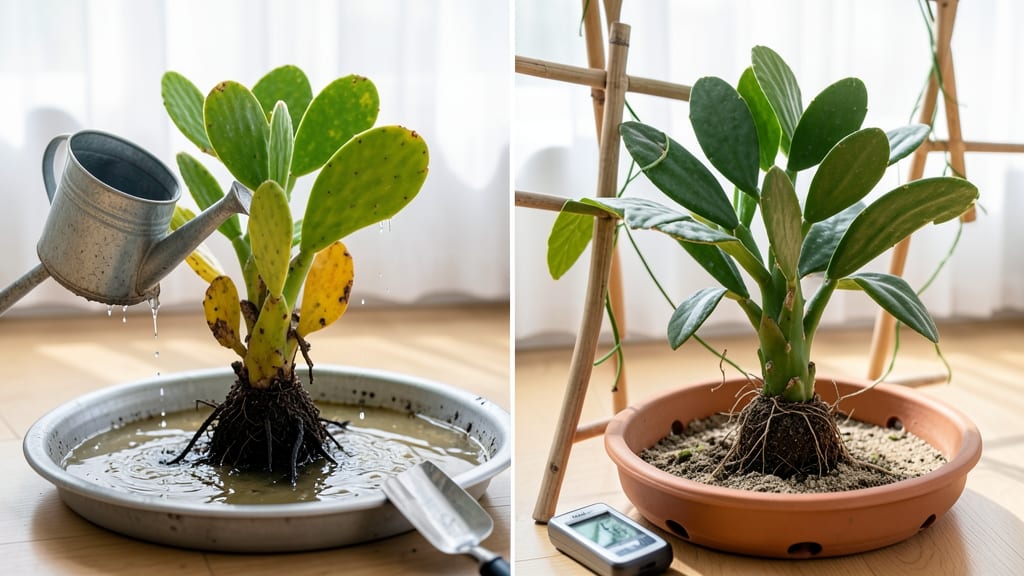
Your overwatered dragon fruit plant’s crispy edges scream "too much water!" 🌵 The good news? This is a fixable crisis, not a death sentence. I’ve nursed back plants with yellowing leaves and mushy stems—here’s exactly how to stop the rot and bring it back to life.
Overwatering smothers roots, cutting off oxygen and inviting fungus. Check the soil: if it smells sour or feels soggy, you’ve got root rot. The first step? Stop watering immediately—let the roots breathe for at least a week.
Meanwhile, trim any blackened or mushy stems with clean scissors to prevent spread.
Once the soil dries out, repot into fresh, gritty mix with perlite or sand for drainage. Water only when the top 2 inches are bone-dry, and use a pot with drainage holes. Within weeks, you’ll see new growth—crispy edges will smooth out as the plant recovers its balance.
Prevent future drama by watering once every 10-14 days (less in winter) and keeping the plant in bright, indirect light. Dragon fruit plants are drought-tolerant—they’d rather thirst than drown. Stick with this routine, and your plant will bounce back stronger than ever.
Root Causes Of Overwatering
Overwatering your dragon fruit plant—officially known as Hylocereus undatus—can turn vibrant green leaves into sad, crispy edges faster than you’d expect. But why does this happen? Let’s dig into the science-backed reasons behind the soggy soil syndrome and how they trigger plant stress.
Dragon fruit plants thrive in well-draining soil because their roots are sensitive to waterlogged conditions. When soil lacks proper drainage—whether due to compacted dirt, heavy clay, or a lack of organic matter—water pools around the roots instead of draining away.
This creates an anaerobic (oxygen-deprived) environment, which suffocates the roots and disrupts their ability to absorb nutrients.
Key triggers:
- Clay-heavy soil holds moisture like a sponge, preventing oxygen flow.
- Lack of perlite, sand, or coco coir in potting mixes reduces aeration.
- Overpotting traps excess water, as larger containers take longer to dry out.
💡 Pro Tip: Amend your soil with 20-30% perlite or pumice to improve drainage. If repotting, choose a container with drainage holes—non-negotiable!
Dragon fruit plants are succulents, meaning they store water in their thick stems and leaves. Unlike thirsty tropical plants, they don’t need frequent watering—especially in humid climates.
Overwatering disrupts their natural drought tolerance, leading to: - Root rot (Phytophthora or Pythium fungi thrive in soggy conditions). - Nutrient leaching, where excess water washes away essential minerals like potassium and magnesium. - Osmotic stress, where roots struggle to absorb water due to imbalanced soil salinity.
Common mistakes:
- Watering on a fixed schedule (e.g., every 3 days) without checking soil moisture.
- Ignoring seasonal changes—dragon fruit plants need less water in winter when growth slows.
- Using automatic irrigation without monitoring soil dryness.
✨ Science Check: Stick your finger 2-3 inches into the soil—if it’s damp, wait. If dry, water deeply until it drains from the bottom.
Dragon fruit plants are native to semi-arid regions, so they’re adapted to low humidity and high heat. When grown in high-humidity environments (like bathrooms or greenhouses without ventilation), the air already holds moisture, reducing the soil’s ability to dry out between waterings.
How it backfires:
- Slow evaporation means soil stays wet longer, increasing rot risk.
- Fungal growth (like Erwinia bacteria) thrives in damp, warm conditions.
- Transpiration slows down, so the plant can’t regulate excess moisture through its leaves.
🌡️ Climate Control Tips:
- Increase airflow with fans or open windows.
- Reduce humidity below 60% if possible (use a hygrometer to check).
- Avoid watering at night—cooler temps slow evaporation, keeping roots soggy longer.
Not all potting mixes are created equal. A standard garden soil or peat-heavy mix retains too much moisture, while a cactus/succulent blend is often too fast-draining.
The ideal mix for dragon fruit should: - **Retain some moisture but allow quick drainage. - Include chunky additives (like bark or lava rock) to prevent compaction. - Avoid peat moss (holds water like a glue trap).
Red flags in your mix:
- No coarse particles (like orchid bark or pumice).
- Heavy compost that breaks down into a water-retaining sludge.
- Synthetic soils (like hydroponic media) that don’t mimic natural aeration.
🔥 Fix It Fast: Repot into a 50/30/20 mix of:
- Cactus/succulent soil (base)
- Perlite or pumice (20%)
- Orchid bark or coconut coir (10%)
If your dragon fruit plant’s container doesn’t have drainage holes, water pools at the bottom, creating a root-drowning zone.
Even with good soil, this leads to: - Hydrogen sulfide buildup (toxic to roots). - Algae growth on soil surfaces, competing with your plant. - Salt accumulation from mineral deposits in stagnant water.
Container crimes:
- Decorative pots without holes (even if pretty).
- Glazed ceramic containers that trap moisture.
- Plastic pots without aeration (roots can’t breathe).
🛠️ Quick Fix: If repotting isn’t an option, drill drainage holes and elevate the pot on a cactus tray** to prevent saucer sogginess.
Fixing Your Soggy Dragon Fruit
If your dragon fruit plant is looking more like a swamp than a succulent, don’t panic—it’s time to roll up your sleeves and give it some TLC. Overwatering can turn your lush plant into a sad, mushy mess, but with the right steps, you can nurse it back to health.
Below, we’ve broken down the most common causes of an overwatered dragon fruit and the science-backed fixes to revive it—plus tips to keep it thriving long-term.
When soil stays soggy for too long, roots suffocate from lack of oxygen, leading to rot and crispy edges. Dragon fruit plants (especially Hylocereus varieties) prefer well-draining soil that mimics their desert origins.
🔧 How to Fix It:
- 🌱 Step 1: Stop Watering Immediately
- Let the soil dry out completely before watering again. Stick your finger 2 inches into the soil—if it’s damp, wait another day.
- 🧹 Step 2: Repot in Fresh, Dry Mix - Gently remove the plant from its pot and inspect the roots. Trim any black, mushy, or soft roots with sterilized scissors (healthy roots are firm and white). - Repot in a cactus/succulent mix (add perlite or pumice for extra drainage).
Choose a pot with drainage holes—terracotta is ideal.
- ☀️ Step 3: Adjust Your Watering Routine - Water only when the top 3–4 inches of soil are bone-dry.
In summer, this might mean watering every 7–10 days; in winter, stretch it to 2–3 weeks. - Pro Tip: 💡 Use the "thumb test" or a moisture meter to avoid guesswork.
A pot without drainage holes or one that traps moisture (like plastic) turns every watering session into a drowning hazard. Dragon fruit roots need air—just like your lungs need oxygen!
🔧 How to Fix It:
- 🏺 Step 1: Upgrade the Pot
- Swap to a terracotta or fabric pot with drainage holes. If repotting isn’t an option, drill holes in the bottom of a plastic pot as a temporary fix.
- 🪴 Step 2: Elevate the Plant
- Place the pot on a cactus tray or saucer with pebbles to prevent water from pooling at the bottom.
- 🌿 Step 3: Improve Soil Structure
- Amend heavy soil with coarse sand, perlite, or orchid bark (20–30% of the mix). This creates air pockets for roots to breathe.
Dragon fruit plants hate soggy feet and cold, damp air. If your plant is in a chilly, humid spot (like a bathroom or basement), excess moisture lingers, promoting rot.
🔧 How to Fix It:
- 🌡️ Step 1: Move to a Warmer, Dry Spot
- Ideal temps: 60–85°F (15–30°C). Avoid drafts, AC vents, or windowsills where cold air lingers.
- 💨 Step 2: Boost Airflow
- Place a small fan nearby (on low) to improve circulation without stressing the plant. This mimics its natural desert habitat.
- 🌿 Step 3: Reduce Humidity
- If your home is humid, use a dehumidifier or place a silica gel packet near the plant (not touching it).
Dragon fruit plants go dormant in winter (growth slows, water needs drop). If you’re watering them like it’s summer, roots rot before you notice.
🔧 How to Fix It:
- ⏰ Step 1: Adjust Your Schedule
- In winter, water only every 3–4 weeks (or when soil is completely dry). Reduce fertilizer too—dilute it to half-strength.
- 🌱 Step 2: Check for Growth Signals
- If new pads stop forming, your plant is dormant. Resume normal watering in spring when you see fresh growth.
- 🌡️ Step 3: Monitor Temperature
- Keep winter temps above 50°F (10°C). Colder soil = slower drying = rot risk.
Once your dragon fruit is back on track, lock in these habits to avoid future soggy disasters:
- ✅ Soil Test: Use a moisture meter or the finger test—never water on a schedule.
- ✅ Pot Upgrade: Always use pots with drainage holes and cactus mix.
- ✅ Seasonal Adjustments: Cut water in winter; increase slightly in summer (but never let soil stay wet).
- ✅ Root Check: Every 6 months, gently inspect roots for rot. Trim and repot if needed.
- ✅ Sunlight: Ensure 6+ hours of bright, indirect light daily—weak plants are more prone to stress.
With these fixes, your dragon fruit should bounce back within 4–6 weeks. Watch for new, crispy pads and vibrant blooms—proof you’ve mastered the art of "just enough" water! 🌵💚
Frequently asked questions
How do I know if my dragon fruit plant is overwatered instead of underwatered?
Check the soil first—if it smells sour or feels soggy 2+ inches deep, you're overwatering. Look for yellowing leaves (especially at the base), mushy stems, or crispy edges. Underwatered plants show wrinkled pads and dry, brown leaf tips instead. Weigh your pot: if it feels heavy, it's waterlogged.
Can I save a dragon fruit plant with black, mushy stems?
Yes, but act fast! Cut off only the blackened/mushy sections with sterilized scissors, leaving healthy green tissue. Repot in fresh, dry cactus mix with perlite and hold off on watering for 5-7 days. The plant can regrow from healthy pads—just avoid water until new roots form.
Why does my dragon fruit plant keep getting crispy edges even after I stopped watering?
This usually means root rot has already set in—even if the soil looks dry on top. Check roots: if they're black/mushy, trim the bad ones and repot immediately. Also verify your pot has drainage holes and your soil mix has 30% perlite or pumice. Humidity or cold drafts can slow drying too.
How often should I water my dragon fruit plant after recovery?
Once recovered, water only when the top 3-4 inches of soil are completely dry. In summer, this might be every 7-10 days; in winter, stretch it to 3-4 weeks. Use the "thumb test": stick your finger in—if damp, wait. Always water deeply until it drains from the bottom.
Will my dragon fruit plant bloom if it was overwatered and recovered?
Yes! Once roots recover and the plant establishes new growth, it can still produce flowers and fruit. Just ensure it gets 6+ hours of bright light daily and well-draining soil. Overwatering stress delays blooming, but healthy plants typically flower within 12-18 months of proper care.