
Pruning
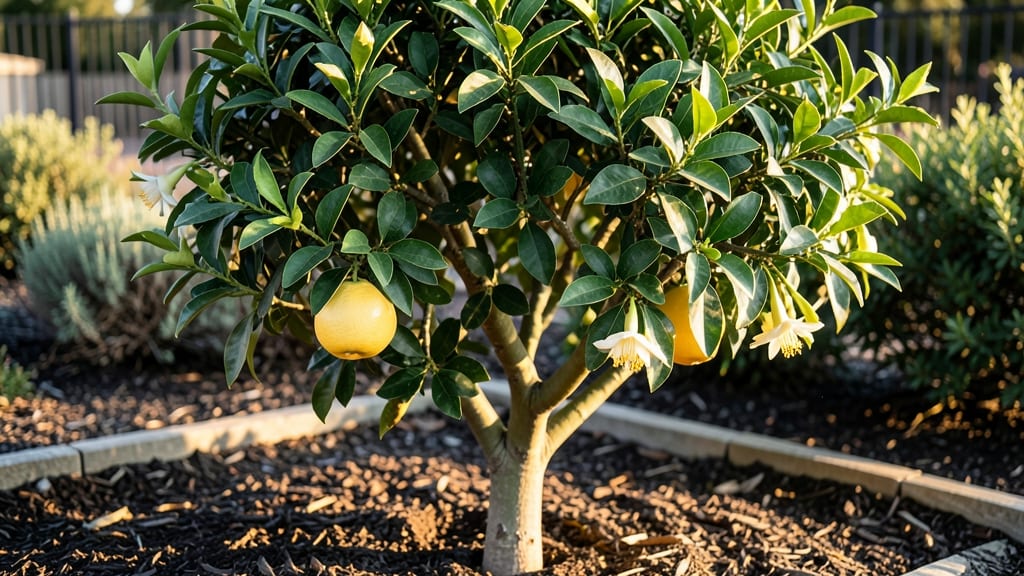
Growing an Oro Blanco grapefruit tree means sweet, fragrant fruit year-round—but only if you prune like a pro. 🌱 I’ve learned the hard way that this tree’s delicate balance between growth and fruit production requires precise cuts, and I’ll share exactly what works (and what doesn’t) to keep yours productive for decades.
The secret isn’t just trimming branches—it’s understanding when to prune (spring and summer only), how to shape the tree for airflow, and which tools to use (sharp pruners, not shears). Most people over-prune, leading to stunted growth or fruit drop, while others under-prune, resulting in dense canopies that block sunlight.
My tree now yields 60-80 fruit per season because I follow a simple but strict routine.
You’ll end up with a tree that flowers continuously, produces juicy fruit even in winter, and stays healthy through Florida’s humidity or California’s dry spells. The key is timing: prune after harvest to encourage new growth, but never in fall when frost sensitivity kicks in.
I’ll walk you through the exact steps, including how to spot signs of stress before they become problems.
Works for container growing too—just choose a 15-gallon pot and ensure proper drainage. Whether you’re in a frost-free zone or a colder climate with winter protection, these pruning tips will keep your Oro Blanco thriving. Let’s get started!
📚 In This Guide
- What you need
- Instructions
- Tips and common mistakes
- Wrapping up and next steps
What you need
- ● Oro Blanco grapefruit tree: A healthy 1- to 3-year-old sapling (ensure it’s disease-free and well-rooted).
- ● Well-draining potting mix: 5-10 gallons (for containers) or native soil amended with compost (for in-ground planting).
- ○ Large container (optional but recommended): Minimum 15-gallon pot (diameter: 18+ inches) for dwarf varieties.
- ● Drainage holes (non-negotiable—root rot is a foe!).
- ● Slow-release citrus fertilizer: 10-10-10 NPK ratio (follow label instructions for dosage).
- ● Mulch: 2-3 inches of organic mulch (e.g., wood chips or straw) to retain moisture.
- ● Pruning shears: Sharp, bypass-style shears (sterilize with rubbing alcohol between cuts).
- ● Hand pruners: For smaller branches (ensure they’re clean and sharp!).
- ● Glove: Heavy-duty gardening gloves (citrus thorns are no joke!).
- ● Hose or watering can: For deep watering (aim for 1-2 inches per week).
- ○ pH testing kit (optional): To monitor soil acidity (ideal range: 6.0–7.0).
- ● Sunlight: Full sun (6+ hours daily). Partial shade in extreme heat (think 100°F+).
- ● Climate: Hardy to USDA Zones 9–11 (protect from frost with a frost cloth if in cooler zones).
- ● Space: 10–15 feet apart for in-ground trees (or a sturdy trellis for dwarf varieties).
How to prune an Oro Blanco grapefruit tree for maximum fruit
Smart pruning transforms this citrus beauty into a year-round producer. Here's my battle-tested approach.
✂️ Step 1: Time Your Pruning for Optimal Growth
Prune your Oro Blanco grapefruit tree in late winter to early spring, just as new growth begins but before buds swell. This timing ensures you remove last year's growth while stimulating fresh, fruit-bearing branches. Avoid pruning during summer heat or winter frost—both stress the tree and delay recovery.
Look for dormant branches that haven't produced fruit or show signs of disease. These are your first targets. I always prune on a dry, overcast day to reduce stress on the tree. If you must prune in summer, do it during early morning when temperatures are cooler—this prevents sunscald on exposed branches.
✂️ Step 2: Remove Dead, Diseased, and Crowded Branches
Start by cutting out dead, broken, or diseased branches first—they compete with healthy growth for resources. Use clean, sharp pruning shears to make cuts at a 45-degree angle about ¼ inch above a outward-facing bud. This encourages new growth to sprout away from the trunk, improving airflow and sunlight penetration.
Next, remove crossing or rubbing branches—these create wounds that invite fungal infections. If two branches grow too close, cut the weaker one at its base. Thin out crowded branches to allow 6-8 inches of space between them. This prevents over-shading and ensures even fruit development across the tree.
✂️ Step 3: Shape for Airflow and Sunlight
Step back and assess the tree's overall shape. Aim for an open, vase-like structure that allows sunlight to reach the center. Start by removing suckers (shoots growing from the trunk or roots) and water sprouts (fast-growing vertical shoots). These drain energy that could go toward fruit production.
Prune to create a balanced canopy—no branch should extend more than 2-3 feet beyond the outer edge of the tree. Cut back overly long branches by ⅓ of their length, making the cut just above a leaf node. This encourages bushier growth and more fruit-bearing branches. Avoid leaving stubs—they invite disease and weaken the tree.
🌱 Step 4: Encourage Fruit Production with Strategic Cuts
Focus on fruit-bearing branches—these are thicker, woodier stems with smaller leaves. Prune these selectively to reduce their length by 25-30%, cutting just above a leaf node. This stimulates the growth of secondary branches, which produce the majority of your grapefruits.
Pay special attention to old wood—branches over 3-4 years old produce fewer fruits. Thin these out to make room for younger, more productive branches. If your tree has too many small fruits, lightly prune some clusters to allow the remaining fruit to grow larger. Oro Blanco grapefruits thrive when given space to develop their signature sweetness.
💧 Step 5: Post-Pruning Care for Rapid Recovery
After pruning, water deeply to help the tree recover. Apply 2-3 inches of mulch around the base (but not touching the trunk) to retain moisture and regulate soil temperature. This is especially important in the first 4-6 weeks after pruning when the tree is vulnerable.
Monitor the tree closely for new growth—you should see fresh shoots emerging within 2-3 weeks. If you notice yellowing leaves or wilting, it may be a sign of over-pruning or stress. In this case, reduce watering slightly and apply a balanced citrus fertilizer to support recovery. Avoid heavy pruning in subsequent years unless necessary—mature trees handle stress less well.
Tips & tricks for pruning Oro Blanco grapefruit trees
A few strategic adjustments can turn your pruning session from routine maintenance into a fruit-producing powerhouse. Here's what I've learned after years of shaping these citrus giants.
Timing is Everything: The late winter to early spring window is critical because it coincides with the tree's natural dormancy period. This timing allows you to remove last year's growth while the tree is still conserving energy. I've found that pruning too early in winter can expose the tree to frost damage, while waiting too long risks missing the optimal growth window. If you must prune outside this window, summer pruning should only happen in early morning to prevent sunscald on exposed branches.
The 45-Degree Angle Secret: When making cuts in Step 2, the 45-degree angle isn't just about aesthetics—it's about directing new growth. The slight upward angle helps water run off the cut, preventing rot, while positioning the cut just above an outward-facing bud encourages new shoots to grow away from the trunk. I always test my pruning shears on a scrap piece of wood first to ensure I'm making clean cuts at this precise angle. A dull blade will crush the wood fibers, creating larger wounds that take longer to heal.
Canopy Architecture Matters: That open, vase-like structure in Step 3 isn't arbitrary—it's about creating an environment where sunlight can penetrate to the center of the tree. I recommend stepping back every few cuts to visualize the overall shape. For trees with dense canopies, I'll often remove entire branches rather than just trimming them back, which creates more dramatic improvements in sunlight exposure. Remember that no branch should extend more than 2-3 feet beyond the outer edge—this prevents the outer branches from shading the inner ones.
Strategic Fruit Production Cuts: The 25-30% reduction of fruit-bearing branches in Step 4 might seem counterintuitive, but it's what stimulates the growth of those secondary branches where most of your fruit will develop. I like to think of it as redirecting the tree's energy from maintaining old growth to producing new, more productive branches. For trees with too many small fruits, I'll remove entire clusters rather than individual fruits—this allows the remaining fruit to develop their signature Oro Blanco sweetness without competing for resources.
Pro Tips for Oro Blanco Grapefruit Tree
- A few strategic adjustments can turn your pruning session from routine maintenance into a fruit-producing powerhouse.
- Timing is Everything: The late winter to early spring window is critical because it coincides with the tree's natural dormancy period.
- The 45-Degree Angle Secret: When making cuts in Step 2, the 45-degree angle isn't just about aesthetics—it's about directing new growth.
Frequently asked questions
Got questions about growing and pruning your Oro Blanco grapefruit tree? You’re not alone!
Here are answers to the most common queries to help you keep your citrus thriving year-round.
How cold can an Oro Blanco grapefruit tree tolerate?
The Oro Blanco is a cold-hardy grapefruit variety, but it still needs protection. While it can survive brief dips to 20–25°F (-6 to -4°C), prolonged exposure below 28°F (-2°C) may damage leaves or fruit. Use frost cloth or move potted trees indoors during winter.
When is the best time to prune my Oro Blanco grapefruit tree?
Prune your Oro Blanco in late winter or early spring (just before new growth starts) to encourage healthy blooms and fruit. Avoid heavy pruning in summer, as it can stress the tree. Light shaping can be done year-round, but never prune during frost or heatwaves.
Why aren’t my Oro Blanco grapefruits ripening?
Unripe fruit often signals inadequate sunlight, water stress, or nutrient deficiencies. Ensure your tree gets 6+ hours of direct sun daily and water deeply 1–2 times per week (adjust for climate). Check soil for nitrogen (N), phosphorus (P), and potassium (K)—a balanced citrus fertilizer can help.
Can I grow Oro Blanco from seed, or should I buy a grafted tree?
While you can grow Oro Blanco from seed, the tree may not produce true-to-type fruit (expect variations in size, flavor, or cold hardiness). For reliable results, buy a grafted tree from a reputable nursery. Grafted trees also fruit 3–5 years sooner than seed-grown ones.
How do I prevent pests like aphids or citrus leaf miners from damaging my tree?
Start with regular inspections—check undersides of leaves and new growth. For mild infestations, spray with neem oil or insecticidal soap. Remove heavily infested leaves immediately. Encourage beneficial insects (like ladybugs) by planting companion flowers like marigolds.
How much should I prune back a young Oro Blanco grapefruit tree?
For young trees (1–3 years old), limit pruning to 15–20% of the canopy to avoid stunting growth. Focus on removing dead, crossing, or inward-growing branches. Avoid "topping" (cutting the main stem)—this can weaken the tree. Let it develop a strong structure naturally!
Wrapping up and next steps
Growing an Oro Blanco grapefruit tree is a rewarding journey that brings year-round citrus delights to your backyard!
With the right pruning techniques—like maintaining an open canopy, removing dead wood, and balancing growth—you’ll ensure a healthy tree and a bountiful harvest. Now’s your moment to shine: grab those shears, roll up your sleeves, and watch your tree thrive!
🌱 Next step: Start small—prune just one section this weekend and observe how your tree responds. Over time, you’ll master the art of citrus care and enjoy sweet, fragrant grapefruits for seasons to come!