
Advice
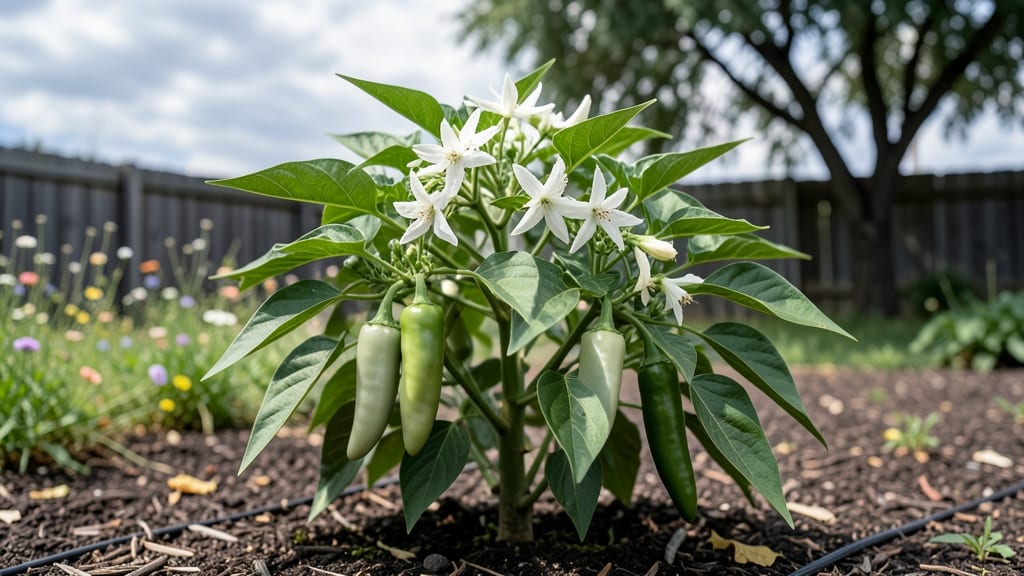
The poblano pepper is New Mexico’s state fruit, officially designated in 2013 for its deep cultural roots, adaptability to the region’s high-desert climate, and starring role in Southwestern cuisine. This mild, heart-shaped chili adds vibrant flavor to everything from chiles rellenos to green chile stews.
New Mexico’s state fruit isn’t a sweet berry or citrus—it’s the poblano pepper, a versatile chili that thrives in the Land of Enchantment’s unique growing conditions. 🌶️ Unlike spicier jalapeños, poblano’s mild heat (typically 1,000–2,000 Scoville units) makes it a blank canvas for chefs, while its thick walls and rich flavor anchor traditional dishes.
What’s fascinating is how this pepper bridges Indigenous farming traditions with Spanish colonial influences, creating a flavor profile that’s distinctly Southwestern. Whether you’re growing them in your backyard or cooking with them in the kitchen, poblano peppers embody the state’s agricultural heritage in every bite.
Fun fact: New Mexico’s high-desert climate—with its cool nights and hot days—actually enhances poblano’s sweetness and complexity. That’s why local farmers have cultivated them for centuries, long before the official 2013 designation. The pepper’s adaptability isn’t just practical; it’s a testament to the region’s resilience and creativity in the kitchen.
💡 In This Article
- Why the Poblano Pepper Became New Mexico’s Official Fruit
- Growing and Cooking with New Mexico’s State Pepper
Why the poblano pepper became New Mexico’s official fruit
New Mexico’s designation of the poblano pepper as its state fruit in 2013 wasn’t just about flavor—it was a celebration of agricultural heritage and cultural identity. The pepper traces its roots to the Anasazi people, who cultivated chili peppers in the region over 1,000 years ago.
When Spanish colonists arrived in the 16th century, they introduced new farming techniques and seed varieties, creating the poblano we know today—a hybrid that thrives in New Mexico’s high-desert climate with its 10,000-foot elevation and dramatic temperature swings.
The poblano’s mild heat (1,000–2,000 Scoville units) and thick, 3–5-inch walls make it uniquely suited for Southwestern cuisine. Unlike hotter peppers, it delivers a sweet, earthy, slightly nutty flavor that balances rich ingredients like cheese, pork, and tomatoes in dishes like chiles rellenos or green chile stew.
This versatility made it a staple in both Indigenous and Hispanic communities, earning it a permanent place in New Mexico’s culinary DNA. 🌶️
The legislative process behind its official designation was equally meaningful. In 2013, New Mexico’s House Bill 46 passed unanimously, recognizing the poblano’s economic and cultural impact. The bill highlighted how the pepper supports $50 million annually in agricultural revenue and sustains thousands of farming jobs across the state.
What’s often overlooked is how the poblano’s adaptability—growing well in both traditional fields and modern greenhouses—mirrors New Mexico’s own resilience as a state.
What sets the poblano apart from other state fruits is its dual role as both food and symbol. Unlike apples or oranges, which are primarily consumed fresh, the poblano is almost always cooked—stuffed, roasted, or blended—highlighting its role in communal meals.
This aligns with New Mexico’s tradition of sharing food as a way to preserve culture and history. The pepper’s thick skin also allows it to be dried and stored for months, a practical adaptation to the region’s harsh winters.
Consider this: The poblano’s heart-shaped form isn’t just aesthetic—it’s a clue to its growing habits. The pepper’s structure helps it retain moisture in arid conditions, a survival trait that Indigenous farmers likely selected for over generations.
Today, that same shape makes it ideal for stuffing, whether with cheese, meat, or rice, turning it into a canvas for creativity in the kitchen. 💫
For gardeners, the poblano’s story is a reminder of how climate shapes flavor. The cool nights and hot days of New Mexico’s growing season create a sweetness-to-heat ratio that’s harder to replicate elsewhere. This is why local poblanos often taste sweeter and more complex than those grown in warmer climates.
The pepper’s success is a testament to how deeply its cultivation is tied to the land—and why it deserved its place as the state’s official fruit.