
Fertilization
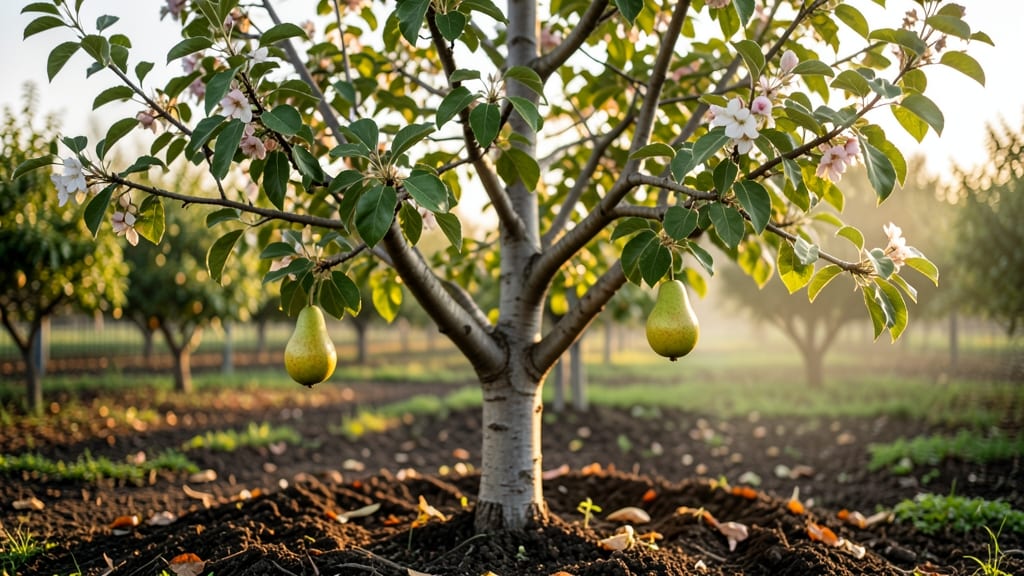
A pear is a fruit because it develops from the ovary of a flowering plant, contains seeds, and serves as a vehicle for plant reproduction. Botanically, it fits the definition of a fleshy fruit known as a pome.
A pear absolutely qualifies as a fruit in botanical terms, even if everyday language sometimes treats it like a vegetable. 🌱 The key difference lies in how we define fruits scientifically: any structure that develops from a flowering plant's ovary and contains seeds counts as a fruit.
Pears fit this perfectly—their core houses seeds, and their flesh develops from the ovary after pollination. What's fascinating is how this classification works differently from culinary terms, where "fruit" often means sweet and fleshy foods, regardless of botanical origins.
This distinction becomes especially clear when comparing pears to other fruits. For example, botanists classify strawberries as accessory fruits (their fleshy part comes from the receptacle, not the ovary), while pears belong to the pome category.
Understanding these categories helps explain why some plants we consider vegetables—like tomatoes—are actually botanical fruits. The confusion arises because common language prioritizes taste and texture over scientific definitions.
💡 In This Article
- Botanical Classification of Pears as Fruits
- Gardeners’ Guide to Growing Pears as Fruit Trees
Botanical classification of pears as fruits
Pears belong to the botanical category of pomaceous fruits, or simply pomes, which includes apples and quinces. The defining feature is their structure: the fleshy part we eat develops from the ovary wall (called the pericarp), while the core contains the plant's seeds.
This ovary-derived development is the core criterion for botanical fruit classification, and pears meet it perfectly. The 5-6 seeds inside a pear's core serve as the plant's reproductive mechanism, dispersing when consumed by animals or decomposing.
What makes pears unique among fruits is their three-layered pericarp structure: the outer skin (exocarp), the fleshy middle layer (mesocarp), and the papery core (endocarp). This differs from drupes (like peaches) where the endocarp hardens into a pit, or berries (like tomatoes) where the entire pericarp is fleshy.
The pear's papery core actually represents the hardened endocarp that protects the seeds during development. 🌱 This structural complexity explains why pears have a distinct texture—juicy yet firm—that sets them apart from other fruits.
The confusion between botanical and culinary classifications stems from how we perceive edibility. Botanically, fruits are simply mature ovaries with seeds, while vegetables are other plant parts (leaves, roots, stems). Yet in everyday language, we call sweet, fleshy foods "fruits" regardless of their botanical origins.
This is why tomatoes—botanically fruits—are often treated as vegetables in cooking, while cucumbers (botanically fruits) are used like vegetables. Pears avoid this confusion because their sweetness and fleshy texture align perfectly with both definitions.
Consider this comparison: a peach (drupe) has a single large seed in its pit, while a pear contains multiple small seeds in a central core. The key difference lies in the endocarp development—peaches harden their endocarp into a stone, while pears keep theirs papery.
This structural distinction explains why pears can be eaten whole (including the core) without the same choking hazards as peaches. The botanical term "pome" specifically describes fruits where the fleshy part comes from the receptacle (floral tube) and ovary wall combined.
What most people don't realize is how this classification affects plant breeding. Pear varieties like Bartlett or Bosc are developed specifically to optimize fruit characteristics—size, sweetness, and texture—that align with our culinary preferences.
The 5-7 years it takes for a pear tree to bear fruit reflects this careful genetic selection process, where breeders focus on maximizing the fleshy pericarp while maintaining seed viability for reproduction.
This dual-purpose nature—both food source and reproductive organ—is what truly defines pears as fruits in both scientific and practical terms.
The next time you bite into a pear, notice how the juicy flesh gives way to the papery core—this is your body interacting with three distinct plant tissues that all developed from the same ovary.
The sweetness comes from natural sugars like fructose and glucose, while the slight tartness (in varieties like Asian pears) comes from malic acid. This perfect balance isn't accidental—it's evolved over millennia to ensure seed dispersal while providing a delicious reward for animals that eat the fruit. 🌟