
Fertilization
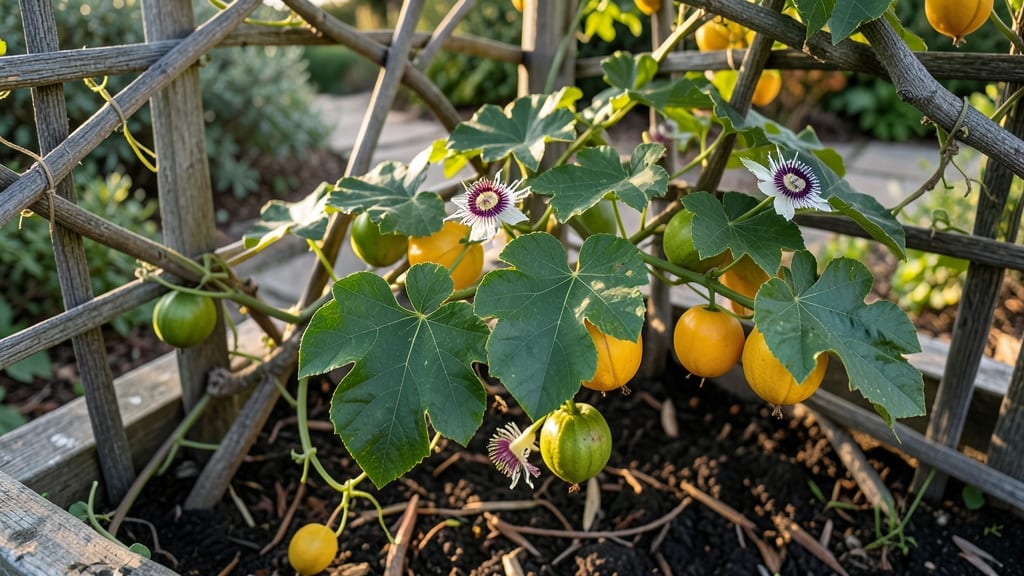
Growing Nancy Garrison passion fruit in containers requires full sun exposure, nutrient-rich soil with excellent drainage, and regular watering to maintain consistent moisture levels. This variety produces fragrant blooms and sweet fruit continuously in warm climates, but thrives best with seasonal pruning to promote vigorous growth and optimal harvest timing.
Nancy Garrison passion fruit is a container-friendly variety that rewards gardeners with abundant harvests when given the right conditions. 🌿 Unlike some passion fruit vines, this specific cultivar adapts well to pot culture, making it ideal for small spaces or urban balconies.
The key to success lies in replicating its tropical origins—think warm temperatures, bright light, and soil that mimics the well-draining, slightly acidic conditions of its native habitat.
Many growers find that adding a slow-release fertilizer every 6-8 weeks keeps the plant producing fruit consistently, while regular pruning after harvest encourages bushier growth patterns.
What sets Nancy Garrison apart is its ability to fruit continuously when grown in optimal conditions. The golden-yellow fruit signals peak ripeness, but the real magic happens in the fragrant flowers that precede it—these not only attract pollinators but also fill the air with a sweet citrusy aroma.
For container growers, choosing pots with drainage holes and using a trellis system prevents the vines from becoming top-heavy while maximizing fruit production. The variety's adaptability makes it perfect for those who want year-round harvests without the commitment of in-ground planting.
💡 In This Article
- Optimal Growing Conditions for Nancy Garrison Passion Fruit
- Container Gardening Hacks for Passion Fruit Harvests
Optimal growing conditions for Nancy Garrison passion fruit
Nancy Garrison passion fruit thrives because it mimics its native tropical environment where temperatures stay between 65-85°F year-round. This variety's roots are particularly sensitive to temperatures below 50°F, which can cause stunted growth or even root rot.
The plant's native habitat receives intense sunlight year-round, and containers need at least 6-8 hours of direct sunlight daily to produce the energy required for flowering and fruiting. Without sufficient light, vines grow leggy and produce fewer flowers, reducing your harvest potential.
The soil's drainage is critical because passion fruit roots cannot tolerate waterlogged conditions. In containers, this means using a well-draining potting mix with 50-60% organic matter (like compost or coconut coir) mixed with perlite or pumice for aeration.
The ideal pH range is 6.0-7.0, slightly acidic to neutral, which prevents nutrient deficiencies that can lead to yellowing leaves or poor fruit development.
Many growers swear by adding a handful of sulfur to the mix if their tap water is alkaline, as this helps maintain the proper pH balance.
Consistent moisture is another game-changer. Passion fruit plants need 1-1.5 inches of water per week, but containers dry out faster than ground soil, so checking moisture levels with your finger is essential. The top 1-2 inches of soil should feel slightly damp, not soggy.
Overwatering leads to root rot, while underwatering causes the plant to drop flowers and fruit prematurely. Mulching the soil surface with straw helps retain moisture while preventing soil-borne diseases that thrive in damp conditions.
Humidity levels also play a role in fruit set and quality. In arid climates, maintaining 40-60% humidity around the plant can improve pollination rates and fruit development.
You can achieve this by misting the leaves lightly in the morning or placing the container on a tray filled with pebbles and water. The evaporation creates a microclimate that mimics the plant's tropical origins, encouraging healthier growth and sweeter fruit.
One often overlooked factor is air circulation. Passion fruit vines benefit from gentle airflow to prevent fungal diseases like powdery mildew, which can appear as white, powdery patches on leaves. Positioning your container where it gets light breezes (like near an open window or balcony railing) helps maintain this balance.
If you're growing indoors, a small fan on low speed can replicate natural airflow without damaging the delicate flowers.
For container growers in cooler climates, understanding these conditions helps create a microclimate that compensates for outdoor temperatures. For example, placing your pot on a heat mat during winter months can extend the growing season by keeping roots warm.
The key is consistency—passion fruit plants respond best when their environment stays stable, mimicking the predictable conditions of their tropical homeland.