
Fertilization
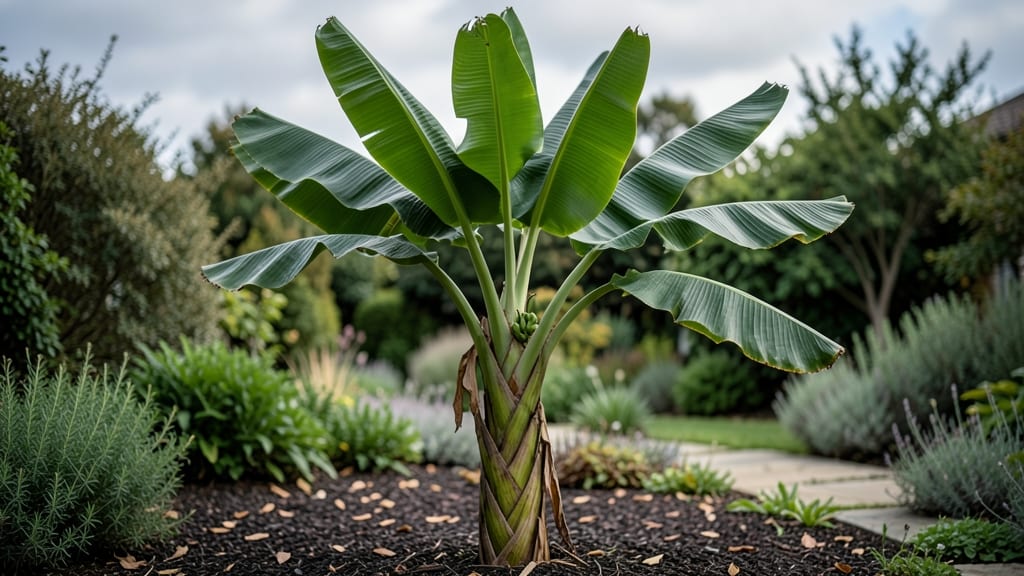
Musa basjoo fruit is technically edible but contains high levels of oxalic acid and may cause mild stomach upset or allergic reactions. The flesh is rarely consumed due to its fibrous texture and potential toxicity unless properly prepared or cooked. Always consult a specialist before eating.
While the Musa basjoo fruit—commonly known as the Japanese fiber banana—isn't toxic, its high oxalic acid content makes it unsafe to eat raw. 🔥 This compound can bind with minerals in your body, potentially leading to kidney stones or digestive discomfort.
Unlike regular bananas, which are soft and sweet, this variety has a tough, stringy texture that even traditional cooking methods can't fully soften. Some cultures ferment or soak the fruit to reduce oxalates, but it's still not a common food source.
What's interesting is that other parts of the plant—like the pseudostem or young shoots—are often used in Asian cuisine after proper preparation. These components have lower oxalic acid levels and can be cooked into soups or stir-fries.
If you're curious about trying Musa basjoo fruit, start with small amounts and monitor your body's reaction closely.
💡 In This Article
- Toxicity Risks of Musa Basjoo Fruit: Oxalic Acid and Other Concerns
- Safe Ways to Prepare and Consume Musa Basjoo Fruit
Toxicity risks of Musa basjoo fruit: oxalic acid and other concerns
The primary concern with Musa basjoo fruit lies in its exceptionally high oxalic acid content, which can reach up to 1.5% by weight in the flesh—a level significantly higher than most edible bananas. For comparison, regular bananas contain less than 0.01% oxalic acid, while plantains hover around 0.05%.
When consumed raw, this compound binds with calcium in your digestive tract, forming insoluble crystals that can irritate the stomach lining and potentially contribute to kidney stone formation in susceptible individuals.
The fibrous texture of Musa basjoo fruit further complicates consumption. Its flesh contains 3-5 times more dietary fiber than commercial bananas, creating a coarse, stringy consistency that even prolonged cooking rarely softens. This structural rigidity makes it difficult to chew and digest, increasing the risk of gastrointestinal distress.
The skin, meanwhile, contains even higher oxalate concentrations and a waxy cuticle that resists breakdown, making it particularly unpalatable and potentially more toxic than the flesh.
Allergic reactions also pose a risk due to chitinase enzymes present in the fruit, which some individuals may react to. These enzymes are part of the plant's defense system and can trigger mild to severe allergic responses in sensitive people, similar to reactions caused by certain tropical fruits.
Unlike edible bananas, which are bred for low allergenicity, Musa basjoo hasn't undergone similar selection processes, leaving its allergenic potential higher and more unpredictable.
What makes this particularly concerning is that Musa basjoo belongs to the same genus as edible bananas (Musa), yet its chemical profile diverges dramatically.
While plantains and dessert bananas contain easily digestible starches and minimal oxalates, Musa basjoo fruit's starches are bound in complex structures that resist enzymatic breakdown. This is why even traditional cooking methods in Asian cultures—like boiling or steaming—rarely make it a staple food despite its botanical similarity to edible varieties.
Another critical factor is the presence of saponins in the fruit, compounds that create a soapy taste and can act as mild irritants. While not as dangerous as oxalates, saponins contribute to the overall unpleasant mouthfeel that deters consumption.
The combination of these chemical factors—high oxalates, indigestible fiber, potential allergens, and saponins—creates a perfect storm that makes Musa basjoo fruit a risky choice for raw consumption.
Interestingly, the plant's other parts—like the pseudostem and young shoots—have been safely consumed in traditional Asian cuisine after proper preparation. These components contain significantly lower oxalate levels and can be cooked to reduce their fiber content.
This contrast highlights how Musa basjoo fruit's toxicity isn't inherent to the entire plant but rather concentrated in specific, poorly digestible parts.