
Pests
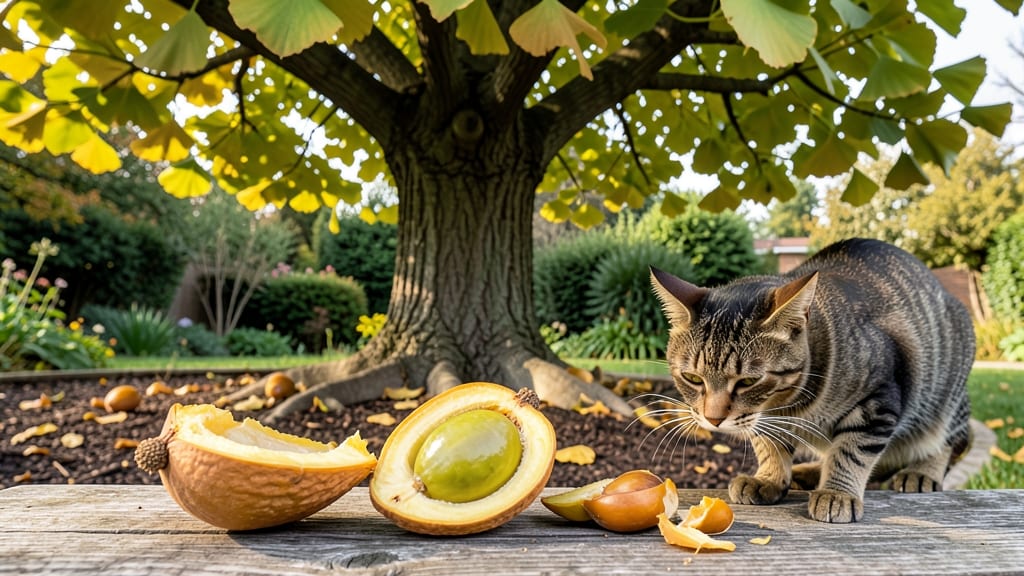
Ginkgo fruit is poisonous when eaten raw, as it contains ginkgotoxin (4-O-methylpyridoxine), a compound that triggers seizures, nausea, and dizziness in both humans and animals. Only properly processed or cooked varieties are considered safe in limited quantities.
This toxicity comes from the fruit's high concentration of ginkgotoxin, which disrupts the nervous system by interfering with vitamin B6 metabolism. 🌿 Even small amounts can cause severe reactions, though symptoms typically appear within 12 hours.
The seeds are even more dangerous, containing additional toxins that can be fatal if ingested. Traditional Asian cultures have developed specific preparation methods—like fermenting or drying—to neutralize these compounds before consumption.
For those curious about culinary uses, processed ginkgo fruit appears in some Asian dishes, particularly in China and Korea, where it's used in teas or fermented foods. However, even these prepared forms should be consumed cautiously, as individual sensitivities vary.
Always verify preparation methods and avoid feeding ginkgo fruit to pets, as their systems are particularly vulnerable to these toxins.
💡 In This Article
- Ginkgo Fruit Toxicity: Chemical Composition and Health Risks
- Safe Ways to Consume Ginkgo Fruit: Processing and Culinary Uses
Ginkgo fruit toxicity: chemical composition and health risks
The primary toxin in raw ginkgo fruit is 4-O-methylpyridoxine (commonly called ginkgotoxin), a compound that mimics vitamin B6 but disrupts its normal function in the nervous system. This chemical binds irreversibly to pyridoxal phosphate—the active form of vitamin B6—creating a deficiency-like state even when B6 levels appear normal.
The fruit's outer flesh contains 0.1-0.5 mg of ginkgotoxin per gram, while the seeds can concentrate up to 10 times more due to higher fat content that traps the toxin.
Symptoms of poisoning typically appear within 6-12 hours and progress in stages. Early signs include nausea, vomiting, and abdominal pain as the gastrointestinal tract reacts to the toxin's irritation. Neurological effects—like dizziness, confusion, and seizures—occur when ginkgotoxin disrupts neurotransmitter production.
Severe cases can lead to respiratory failure, particularly in children or pets, whose smaller bodies process toxins more rapidly. 🔥 The seeds are especially dangerous because they contain additional compounds like ginkgolic acid, which causes skin irritation and allergic reactions.
What makes this toxin so insidious is its persistence: cooking alone doesn't neutralize ginkgotoxin, but traditional Asian methods like fermentation or prolonged drying break down the compound. The fruit's bitter taste is nature's warning—this chemical defense evolved to deter predators.
Even in processed forms, consumption should be limited to 10-20 grams per day for adults, as individual sensitivity varies widely. The seeds should never be consumed, even in cooked form, due to their concentrated toxin levels.
Comparing ginkgo toxicity to other common plant poisons reveals its unique mechanism. Unlike cyanide (which blocks cellular oxygen use) or solanine (which disrupts nerve signals), ginkgotoxin specifically targets vitamin metabolism, creating a cascade of neurological symptoms.
This makes it particularly dangerous for those with pre-existing vitamin B6 deficiencies or conditions like epilepsy, where even small disruptions can trigger severe reactions. 💛 The fruit's appearance—yellow-green flesh with a sweet aroma—might fool casual foragers into thinking it's edible, but its toxicity is well-documented in medical literature dating back to the 1950s.
Pets are especially vulnerable due to their smaller size and different metabolic rates. A single seed can be fatal to a small dog, while cats may experience liver damage from even minimal exposure.
The toxin's effect on animals mirrors human symptoms but progresses more rapidly, often leading to fatal outcomes within 24-48 hours if untreated. This is why ginkgo trees are commonly planted in urban areas—their fruit poses significant risks to curious pets exploring yards or parks.
Understanding the toxin's behavior helps explain why traditional cultures developed specific preparation methods. The Japanese, for example, ferment ginkgo fruit in rice bran for 3-6 months, a process that reduces ginkgotoxin levels by up to 90%.
Similarly, Korean recipes often involve drying the fruit at 60-70°C (140-158°F) for extended periods, though these methods require precise control to avoid leaving residual toxins. The key takeaway: raw ginkgo fruit shouldn't be consumed under any circumstances, while even processed forms demand careful preparation and moderation. ✨