
Fertilization
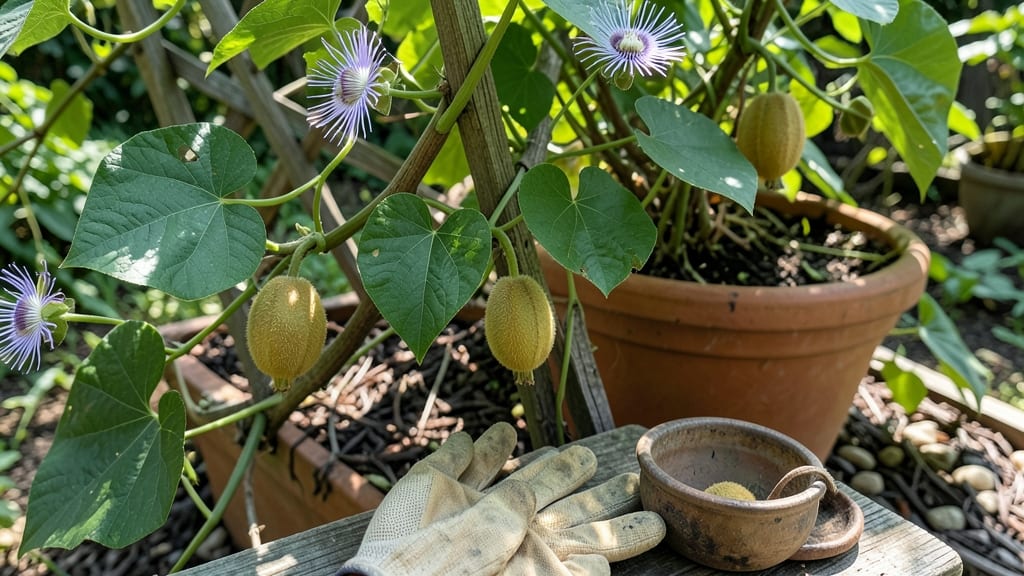
Maypop fruit is edible when fully ripe, offering a sweet, custard-like pulp with a flavor resembling banana or pineapple, but must be consumed with caution due to potential toxicity risks if unripe or improperly prepared.
This unusual fruit from the passionflower family turns from green to deep purple when ready to eat, signaling its safe consumption window. 🌿 The sweet custard-like flesh is packed with vitamin C and antioxidants, but unripe maypops contain passiflorine alkaloids that can cause nausea or dizziness if ingested raw.
I always recommend testing a small amount first, even when fully ripe, since individual tolerances vary. The fruit's unique flavor profile makes it a prized ingredient in jams, smoothies, or baked goods once properly prepared.
When harvesting, look for fruit that yields slightly to gentle pressure—this indicates full ripeness. The outer skin should be deep purple without any green patches, as these are clear signs the fruit isn't ready.
Once picked, store maypops at room temperature until fully ripe, then refrigerate to extend freshness. Cooking methods like baking or blending help neutralize any remaining compounds, making the fruit both safe and delicious.
💡 In This Article
- Toxicity Risks in Maypop Fruit: When and Why It’s Dangerous
- Harvesting and Preparing Maypop for Safe Eating
Toxicity risks in maypop fruit: when and why it’s dangerous
The danger in maypop fruit comes from passiflorine alkaloids, a group of naturally occurring compounds found primarily in the unripe stages. These compounds act as a defense mechanism for the plant, deterring animals and insects from eating it prematurely.
When the fruit is fully ripe, these alkaloids break down through enzymatic processes, rendering the flesh safe to consume. The transformation occurs as the fruit's internal chemistry shifts from a protective state to one that supports seed dispersal.
Symptoms of poisoning from unripe maypop typically include mild to moderate gastrointestinal distress, such as nausea, dizziness, or stomach cramps, within 30-60 minutes of ingestion. In rare cases, larger quantities may cause vomiting or diarrhea, though severe reactions are uncommon.
The key risk factor is the fruit's outer appearance—green or partially green maypops contain the highest concentrations of these compounds, while fully purple fruits have undergone the necessary biochemical changes to neutralize the threat. 🌱
What makes this particularly tricky is that the toxicity isn't uniform across the fruit. The seeds and outer rind often retain higher concentrations of alkaloids longer than the pulp, even when the fruit appears ripe externally.
This is why culinary preparations always recommend removing seeds and peeling the fruit before consumption. The pulp itself, when fully ripe, contains minimal to no detectable levels of these compounds, making it the safest part to eat.
Cooking plays a crucial role in neutralizing any residual compounds. Heat breaks down alkaloids through a process called denaturation, where the complex molecular structures become unstable and lose their toxic properties. This is why traditional preparations often involve baking or blending the pulp—methods that ensure even heat distribution.
For example, baking maypop pulp at 350°F (175°C) for 20-30 minutes not only enhances flavor but also guarantees safety by completing the chemical breakdown that ripening alone might not fully achieve.
Interestingly, maypop's toxicity profile shares similarities with other passionflower fruits, like the passionfruit, though at much lower potency levels. The key difference lies in the ripening process—where passionfruit toxicity is primarily skin-related (due to coumarins), maypop's danger is internal and stage-dependent.
This makes proper ripeness assessment critical, as visual cues alone aren't always reliable indicators of internal safety. 🔍
For those unfamiliar with maypop, it's worth noting that the fruit's natural sweetness masks its potential dangers when unripe. This is a classic example of how nature's chemical defenses can be both fascinating and deceptive.
The sweet, custard-like texture of ripe maypop pulp—often compared to a cross between banana and pineapple—is what makes it a sought-after ingredient in gourmet circles, but this allure comes with the responsibility of thorough preparation and ripeness verification.