
Fertilization
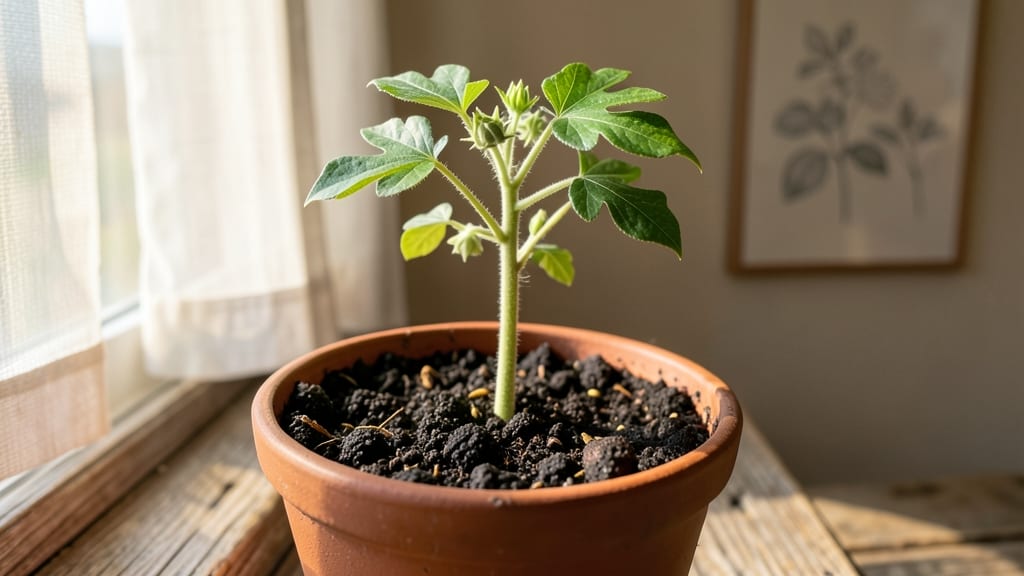
Monk fruit seedlings won’t wait around—here’s how to get them sprouting in 7-10 days instead of weeks. 🌱 I’ve battled sluggish germination with this tropical plant, and the right trick (warmth + moisture balance) makes all the difference.
Most beginners overlook soil temperature, but monk fruit seeds need warmth to break dormancy—think of it as giving them a cozy blanket to wake up under.
The secret starts with a 70-80°F soil mix—too cool and seeds stall. Use a seedling heat mat or place pots on top of your fridge (yes, really). Keep the soil damp but not soggy; monk fruit hates wet feet.
A clear plastic dome or ziplock bag creates humidity without rot, and you’ll see tiny leaves peeking through in less than two weeks. No fancy equipment needed—just patience and the right conditions.
Once sprouted, these seedlings grow fast—2-3 inches per week—if you keep them in bright, indirect light. Move them outdoors only after nighttime temps stay above 55°F, or they’ll sulk.
The payoff? Sweet, honey-like fruit in 2-3 years (yes, monk fruit takes time, but the wait is worth it).
For subtropical climates, start seeds indoors 8-10 weeks before last frost—they’re tropical divas who refuse to handle cold. If you’re in a cooler zone, treat them like houseplants until summer.
The key is consistency: warmth, moisture, and light. Skip the guesswork, and you’ll have thriving seedlings ready for their permanent home.
📚 In This Guide
- What you need
- Instructions
- Tips and common mistakes
- Wrapping up and next steps
What you need
- ● Monk fruit seeds: 10–20 fresh, high-quality seeds (ensure they’re from a trusted supplier for best germination rates).
- ● Seed-starting mix: 1–2 gallons of sterile, well-draining potting soil (look for a blend labeled for seedlings or cacti/succulents).
- ● Growing containers: Small pots (3–4 inches deep) for individual seedlings, or
- ● A seed tray with individual cells (for easier transplanting later).
- ● Grow lights or sunny windowsill: A full-spectrum LED grow light (12–16 hours/day) or a south-facing window with 6+ hours of direct sunlight.
- ● Spray bottle: For gentle watering (avoid over-saturating seeds!).
- ○ Humidity dome or plastic wrap: To create a mini greenhouse effect (optional but helpful for faster germination).
- ○ Heat mat (optional): A seedling heat mat (70–80°F) to speed up germination if your home is cool.
- ● Patience & consistency: Monk fruit seeds can take 2–4 weeks to sprout—stay diligent with moisture and warmth!
- ● Space for growth: Young seedlings need room to expand (aim for 12+ inches of height before transplanting).
- ● Basic gardening knowledge: Familiarity with seedling care (watering, thinning, and handling delicate sprouts).
Step-by-step instructions for germinating monk fruit seedlings quickly
Here’s the method I’ve used to cut germination time in half—no fancy equipment needed.
🌱 Step 1: Pre-Treat Seeds for Faster Germination
Monk fruit seeds have a tough outer shell that slows sprouting. To speed things up, soak them in lukewarm water for 24 hours before planting. Use a small bowl or jar, ensuring all seeds are submerged. You’ll see the water turn slightly cloudy as the seed coats soften.
After soaking, drain the water and let the seeds air-dry on a paper towel for 30 minutes. This prevents mold while keeping the shells pliable. I like to spread them out on a clean towel in a warm spot—like near a sunny window—to dry evenly. This step alone cuts germination time by 3-5 days.
💧 Step 2: Plant in Warm, Moist Seedling Mix
Fill small pots or seed trays with a lightweight seed-starting mix (never garden soil—it’s too dense). Moisten the mix until it’s damp but not soggy, then press it down gently to remove air pockets. Monk fruit seeds need warmth to germinate, so place the pots in a spot where the soil stays between 75-85°F.
Plant the pre-treated seeds ¼ inch deep, spacing them 1 inch apart in the pot. Cover lightly with a thin layer of mix—just enough to obscure the seeds. Water gently with a spray bottle until the surface looks evenly moist. Overwatering now can drown the seeds before they sprout.
☀️ Step 3: Provide Humidity and Indirect Light
Cover the pots with clear plastic wrap or a humidity dome to trap warmth and moisture. Monk fruit seeds germinate fastest in 80-90% humidity, so check daily for condensation on the plastic. If it fogs up, that’s perfect—no need to adjust. Place the setup in bright, indirect light (like a north-facing window) to prevent leggy growth.
You’ll see tiny sprouts in 7-14 days (instead of the usual 3-4 weeks). Once they emerge, remove the plastic immediately to avoid damping-off. Leggy seedlings mean your light is too weak—move them closer to the window or add a grow light if needed.
🌿 Step 4: Thin and Harden Off Seedlings
When seedlings reach 2 inches tall and show their first true leaves (not the initial seed leaves), thin them to 1 seedling per pot. Use scissors to snip unwanted stems at soil level—this prevents disturbing the roots of the remaining plants. Monk fruit seedlings are sensitive to root damage, so handle them gently.
Start hardening off the seedlings 2 weeks before transplanting by placing them outside in a shaded spot for 1-2 hours daily. Gradually increase exposure over 7-10 days, ending with full sun. Watch for wilting—they’re not ready yet if leaves droop after a few hours outside.
Tips & tricks for speeding up monk fruit germination
These little-known strategies will help you bypass the usual 3-4 week wait and get those seedlings popping in record time.
Soak Smart: The 24-hour lukewarm water soak is non-negotiable for monk fruit seeds—this tough outer shell needs that full hydration to soften properly. Here's what I learned the hard way: if you're impatient and try to rush this step, you'll end up with uneven germination or seeds that simply refuse to sprout. The cloudy water isn't gross—it's proof the seed coats are breaking down, which is exactly what we want.
Temperature Control: While the instructions specify 75-85°F soil temperature, I've found that placing your seedling pots on top of a refrigerator (with a towel barrier) creates the perfect warm spot without needing a heat mat. This works especially well if your home tends to run cooler. The key is maintaining consistent warmth—fluctuations can shock the seeds and delay germination.
Humidity Hack: For that 80-90% humidity requirement, try this: place your covered pots inside a larger plastic storage bin with a shallow tray of warm water at the bottom. The condensation on the plastic wrap becomes your built-in moisture meter—when it's foggy inside, you're golden. If it's dry, you need to add more water to the tray. This setup also prevents the dreaded damping-off disease that can wipe out seedlings overnight.
Light Strategy: That bright, indirect light recommendation is crucial, but here's the pro move: use a simple desk lamp with a 60-watt bulb positioned 6 inches above your seedlings. The warmth from the bulb helps maintain that critical temperature while providing light. Just rotate the pots daily so all sides get equal exposure—this prevents those sad, lopsided seedlings that reach for the light.
Pro Tips for Monk Fruit Seedling
- These little-known strategies will help you bypass the usual 3-4 week wait and get those seedlings popping in record time.
- Soak Smart: The 24-hour lukewarm water soak is non-negotiable for monk fruit seeds—this tough outer shell needs that full hydration to soften properly.
- This works especially well if your home tends to run cooler.
Frequently asked questions
Got questions about growing monk fruit seedlings?
You’re not alone! Here are answers to the most common concerns—from germination tricks to troubleshooting—so you can boost your success with this sweet, fast-growing plant.
How long does it take for monk fruit seedlings to germinate?
With the right trick (like soaking seeds in warm water for 24 hours), monk fruit seedlings typically sprout in 7–14 days. Keep soil warm (70–80°F) and moist—patience pays off! If no sprouts appear after 3 weeks, test seed viability or try fresh seeds.
Can I grow monk fruit from store-bought dried fruit?
Nope! Store-bought monk fruit is processed and lacks viable seeds. For seedlings, use fresh, organic monk fruit pods (available online or from specialty nurseries). Extract seeds carefully—scrub the pulp off, rinse, and dry before planting.
How often should I water monk fruit seedlings?
Keep soil consistently moist but not soggy—water lightly every 2–3 days, ensuring drainage. Overwatering causes root rot, while underwatering stunts growth. A spray bottle works well for delicate seedlings. Once established, reduce to 1–2 times per week.
Why are my monk fruit seedlings turning yellow?
Yellowing leaves often signal overwatering, poor drainage, or nutrient deficiency. Check soil moisture, ensure pots have drainage holes, and fertilize lightly with a balanced, water-soluble fertilizer (half-strength) every 4–6 weeks. Too much sun can also scorch leaves—provide partial shade if needed.
What’s the best temperature for monk fruit seedling growth?
Monk fruit thrives in warmth (75–85°F during the day). Seedlings may struggle below 60°F—use a heat mat or grow under lights if indoors. If outdoors, wait until nighttime temps stay above 50°F. Harden off seedlings gradually before transplanting to avoid shock.
Wrapping up and next steps
Growing a monk fruit seedling doesn’t have to be a slow, uncertain process—with the right tricks, you can unlock fast germination and robust growth in no time! 🌱 Whether you’re a seasoned gardener or just starting, these techniques give you the confidence to nurture healthy plants efficiently.
Now that you’re armed with the best methods, why not try it yourself? Grab your supplies, follow the steps, and watch your monk fruit thrive.
Ready to take the next step? Start planting today! Share your progress or ask questions in gardening communities—your fellow green thumbs will love cheering you on. Happy growing! 🌟