
Trees
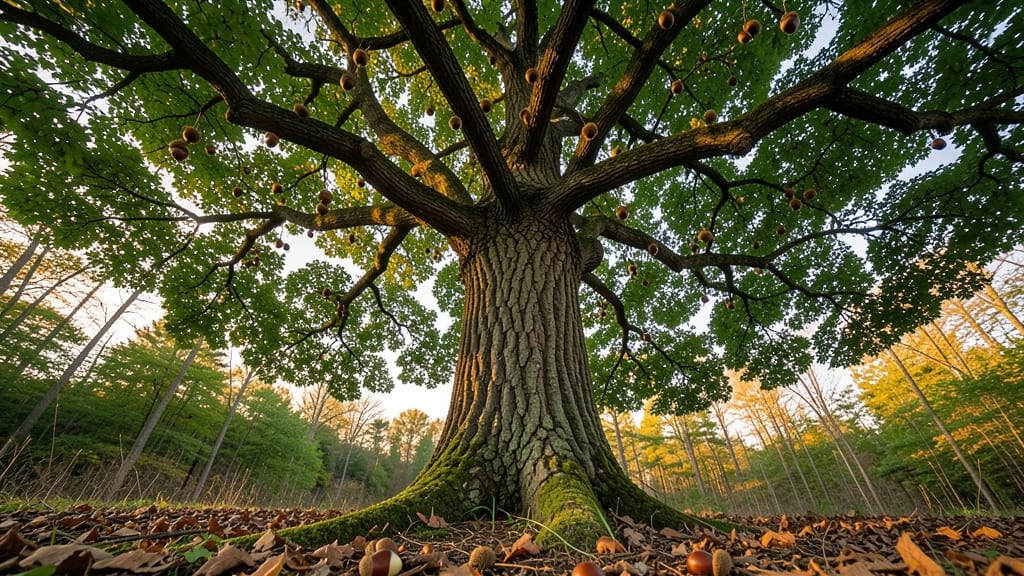
Missouri’s diverse climate and rich soil make it ideal for growing native fruit trees that require minimal care while supporting local ecosystems. These 10 hardy varieties thrive without pesticides, attract pollinators, and provide delicious harvests for home gardeners.
Eastern Red Cedar for Drought-Resistant Berries
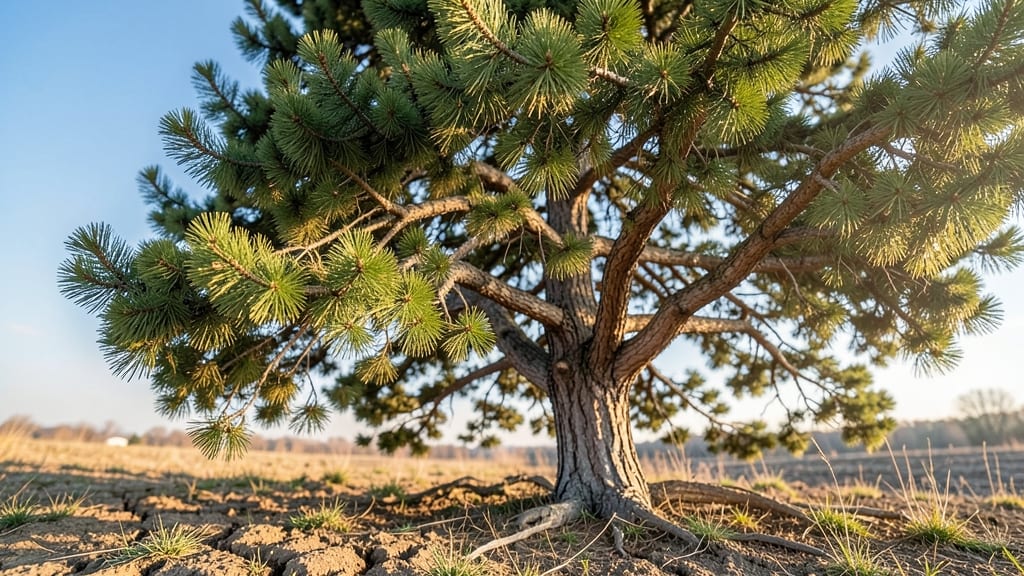
If you're tired of struggling with thirsty plants during Missouri’s dry summers, the Eastern Red Cedar is your low-maintenance solution. This evergreen tree thrives in drought conditions, poor soil, and even urban heat islands—making it perfect for landscapes that need resilience.
Beyond its drought tolerance, this native tree produces small, blue berries that birds and humans love, though they’re best used in jams or teas rather than eaten fresh. Plant it as a hedge, windbreak, or ornamental focal point—its striking blue-green foliage and layered branches add texture year-round. Prune lightly in late winter to maintain shape, but otherwise, it requires almost no care. 🌱
Pawpaw Tree for Tropical-Flavored Fruit
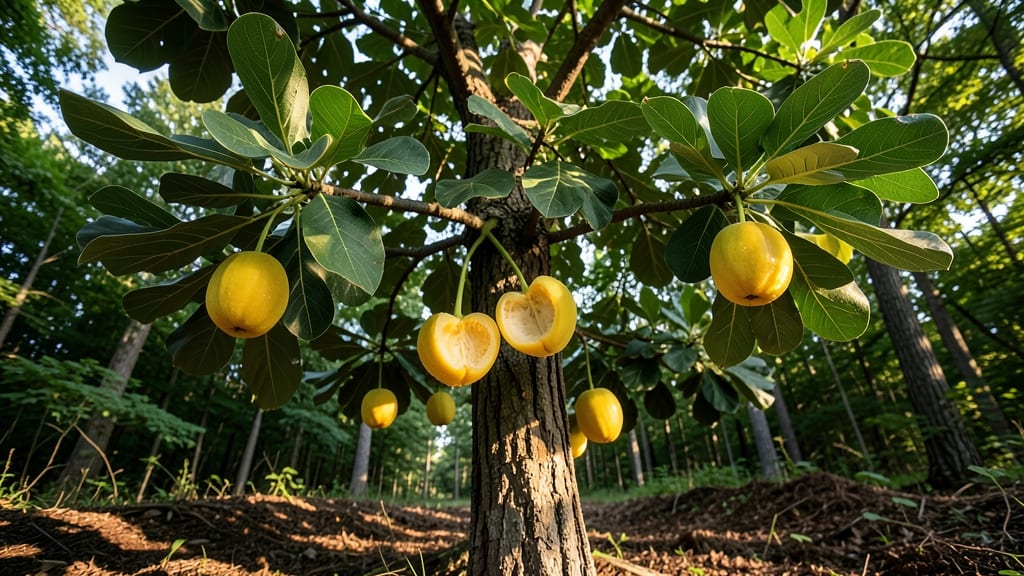
If you’ve ever craved tropical flavors without traveling to a jungle, the pawpaw tree (Asimina triloba) is Missouri’s secret weapon. This understory giant produces custard-like fruit with a flavor profile blending mango, banana, and vanilla—nature’s exotic dessert, right in your backyard.
Thriving in moist, well-drained soil and partial shade, pawpaws are Missouri’s largest native fruit tree, reaching 20–40 feet tall. They’re low-maintenance once established but demand patience: it takes 10+ years for trees to bear fruit, though they reward you with 100+ pounds of fruit per tree at maturity. Plant two trees for cross-pollination and enjoy a late-summer harvest.
Perfect for gardeners with space for a shade tree who love unique flavors and supporting local ecosystems—just be prepared to wait for that first taste of tropical Missouri. 🌟
American Persimmon for Late-Season Harvests
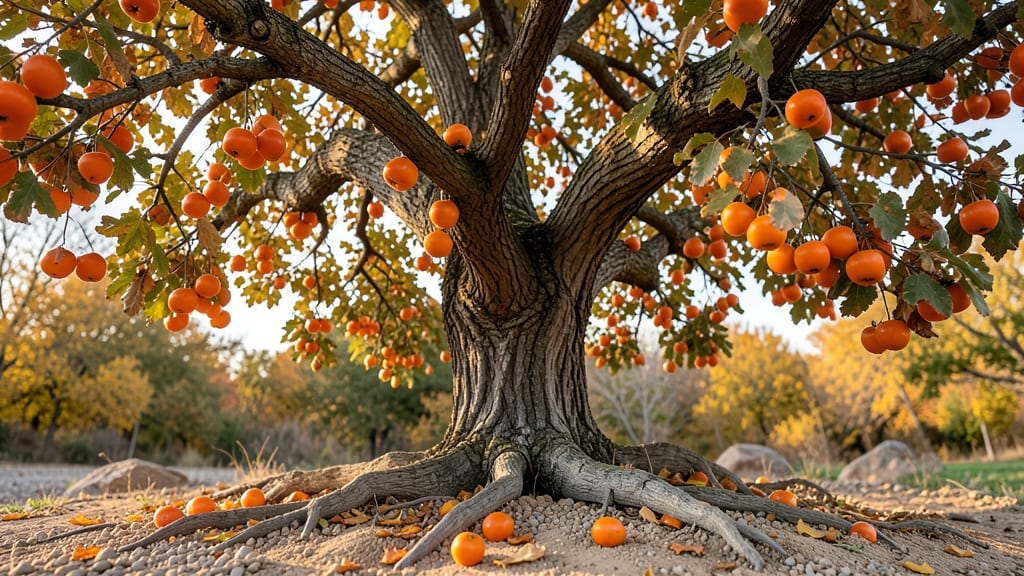
When you crave a sweet, late-season harvest that thrives in Missouri’s toughest soils, the American persimmon delivers—without fuss. Unlike fussy fruit trees, this hardy native handles rocky or sandy soils like a pro, producing vibrant orange fruit that ripens in fall for jams, fresh eating, or sharing with wildlife.
Plant it in full sun to partial shade, and watch it grow into a small, low-maintenance tree (20-30 feet tall). The fruit only softens and becomes edible once fully ripe—test by gently squeezing it. Prune lightly in late winter to shape, and enjoy its year-round interest, from spring blooms to fiery autumn foliage.
Perfect for homesteaders or urban gardeners with limited space, this tree also supports pollinators and birds. 🌟
Serviceberry for Multi-Season Beauty
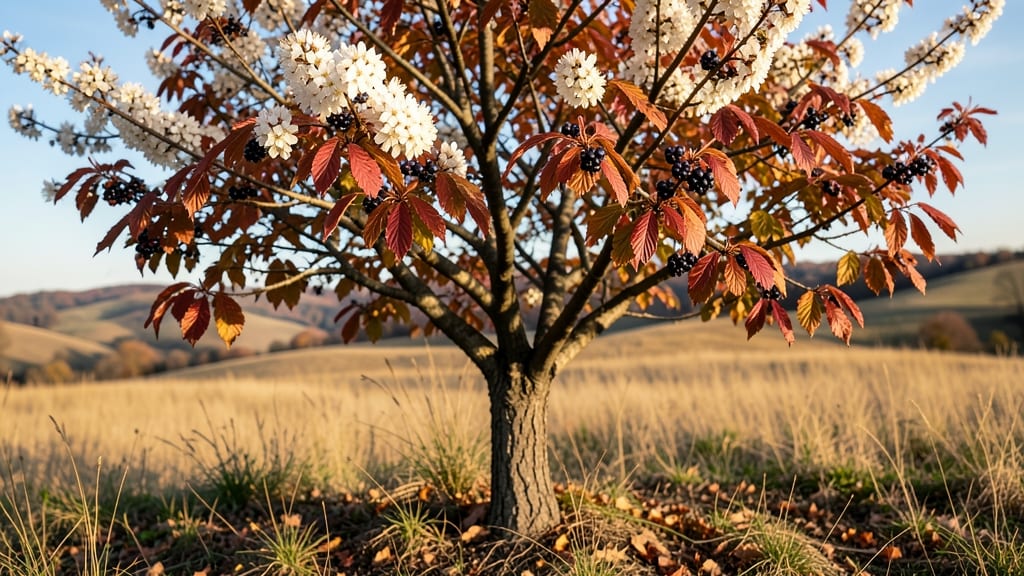
Looking for a Missouri native fruit tree that delivers year-round interest without taking over your yard? The serviceberry (also called Juneberry or Saskatoon) is your answer—packing white spring blooms, edible summer berries, and vibrant fall foliage into one compact package.
This small tree thrives in full sun to partial shade and adapts to a wide range of soils, including urban landscapes with limited space. Plant it as a standalone specimen or in groups for pollinators—its early spring flowers feed bees, while the berries attract birds and small mammals. The fruit ripens in late summer, offering a tart-sweet flavor perfect for jams, pies, or fresh snacking.
Urban gardeners and small-space planners will love how serviceberry fits into tight areas while providing four seasons of beauty. It’s also one of the most low-maintenance native trees, requiring minimal pruning once established. 🌟
Blackhaw Viburnum for Wildlife-Friendly Berries
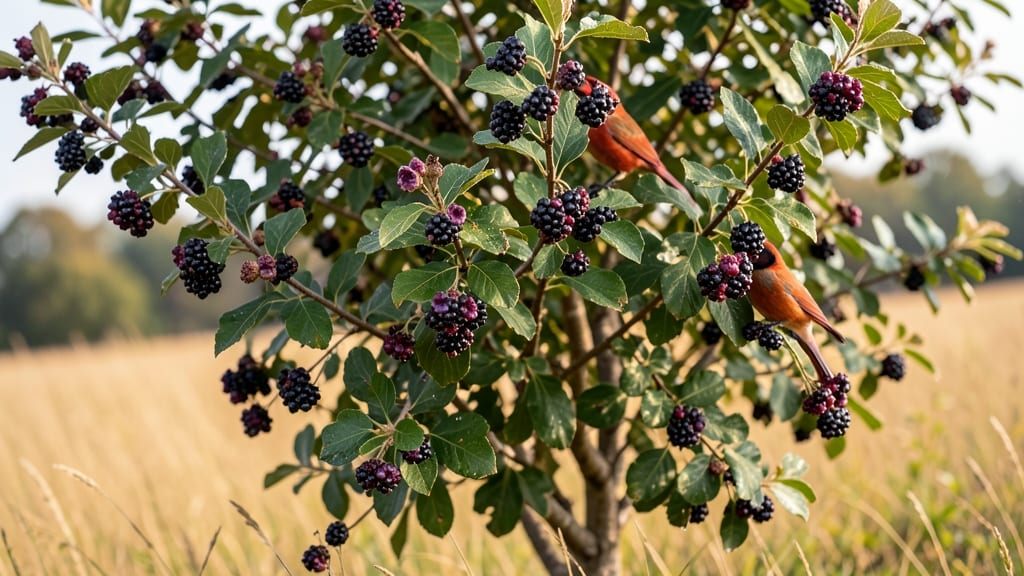
If you love watching birds feast in your garden but want a plant that’s just as useful for you, Blackhaw Viburnum is the answer. This Missouri native shrub produces clusters of dark purple-black berries that birds adore—and humans can enjoy too when fully ripe (though they’re tart until frost sweetens them).
Unlike sun-loving fruit trees, Blackhaw Viburnum thrives in partial shade, making it ideal for understory plantings, woodland edges, or as a low-maintenance privacy screen. It handles Missouri’s humidity and occasional drought once established, with minimal pruning needed beyond removing dead wood. For wildlife gardens, it’s a superstar: berries feed birds, bees pollinate its spring flowers, and deer often browse its leaves.
Perfect for beginners or busy gardeners, this shrub grows 6–12 feet tall and wide, offering year-round interest with its glossy foliage, fragrant white blooms in spring, and persistent berries through winter. Plant it near patios or walkways to enjoy its dual role as both ornamental and edible. 🌿
Wild Plum for Early Spring Fruit
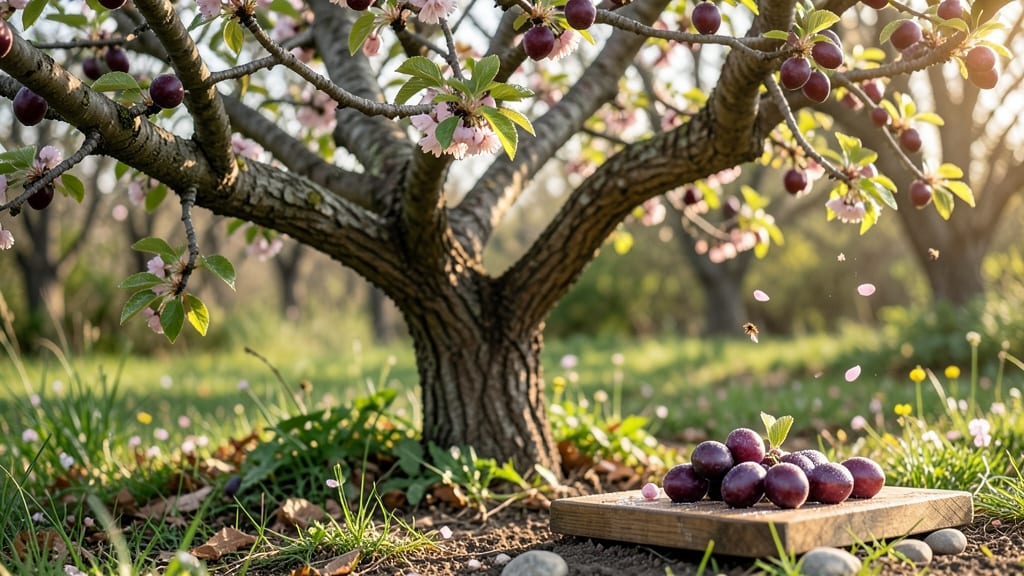
If you crave early spring fruit without waiting for summer harvests, the wild plum (Prunus americana) delivers one of Missouri’s first native edible treats. Its tart-sweet plums ripen in late spring—perfect for fresh snacking or turning into homemade jellies—while attracting pollinators with fragrant pink blooms.
This fast-growing tree thrives in full sun to partial shade and tolerates everything from dry, rocky soils to moist riverbanks. Young trees can produce fruit in just 2–3 years, and their adaptability makes them ideal for urban lots, woodland edges, or rural homesteads. Prune lightly to shape and remove suckers for better air circulation.
Wild plums are a beginner-friendly choice for gardeners who want quick rewards and minimal fuss. Plus, their ecological benefits—supporting birds, bees, and butterflies—make them a smart addition to any Missouri landscape. 🌱
American Plum for Versatile Harvests
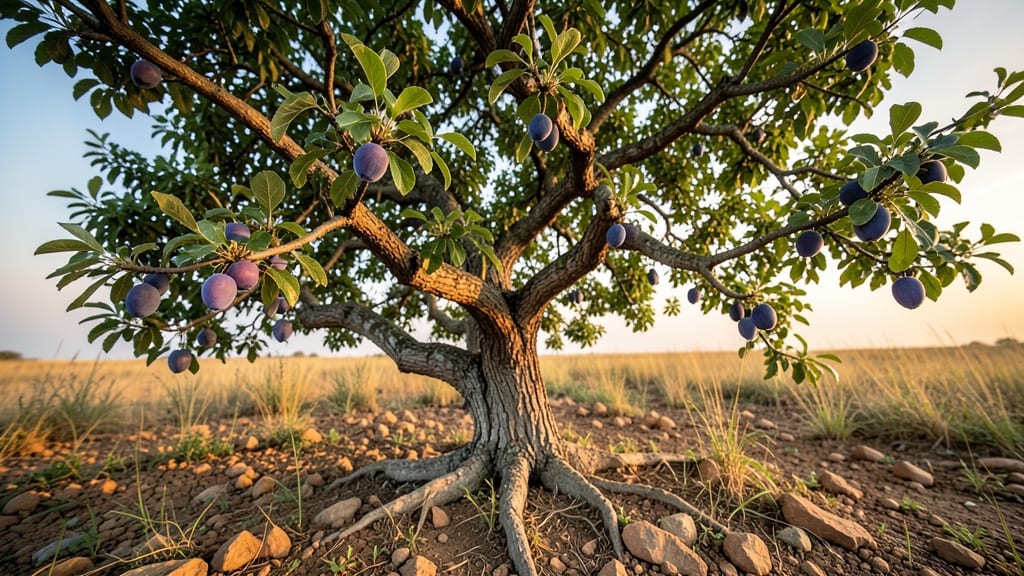
If you’re tired of fussing over delicate European plum trees that succumb to Missouri’s pests, the American plum (Prunus americana) is your game-changer. Unlike its high-maintenance cousins, this native tree thrives in urban yards, rural fields, and even rocky soils—producing sweet-tart fruit that’s perfect for fresh snacks, preserves, or baking.
Plant it in full sun to partial shade and expect fast growth (12–15 feet tall) with minimal pruning. The dark purple-red fruit ripens in late summer, attracting birds but also yielding enough for your kitchen. Unlike wild plums, American plums are less tart, making them ideal for beginners or those short on time.
Urban gardeners will love its adaptability—it handles pollution and compacted soil better than many fruit trees. Plus, its early spring blooms add beauty before the harvest begins. 🌟
Hackberry for Unique Fruit and Wildlife Support
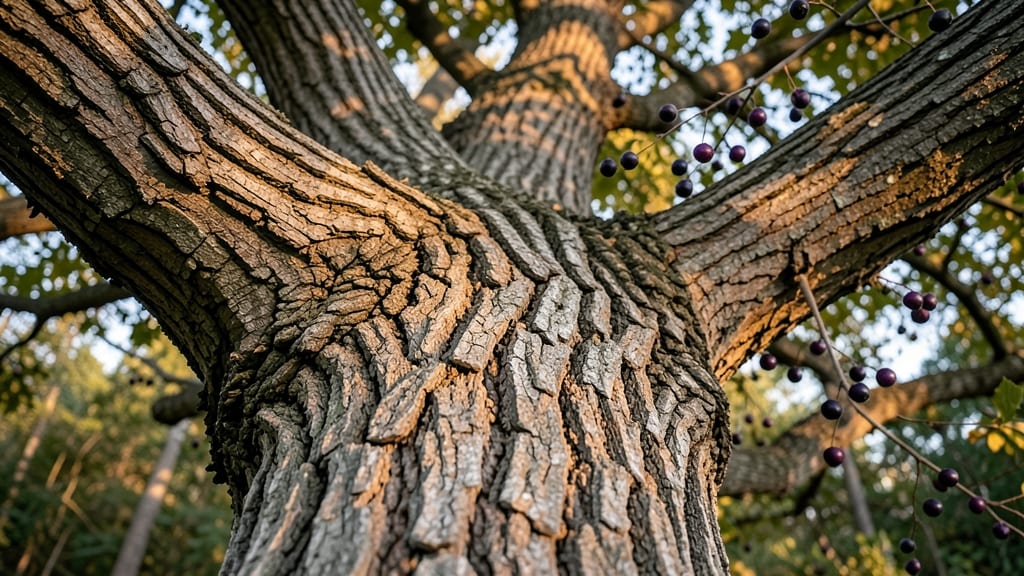
If you’ve ever wanted a native tree that’s as striking as it is useful, the hackberry (Celtis occidentalis) delivers—with edible fruit and conversation-starting bark. While often overshadowed by showier trees, its small, sweet berries are a magnet for birds, and its deeply grooved, textured bark adds rustic charm to any landscape.
This adaptable tree thrives in full sun to partial shade and tolerates urban pollution, making it perfect for city gardens or rural homesteads. The berries ripen in late summer, offering a late-season treat for wildlife (and humans, though they’re tart). Prune lightly to maintain its natural shape, and watch as pollinators flock to its spring flowers.
Hackberry is ideal for gardeners who want low-maintenance beauty with ecological benefits—great for hedges, specimen planting, or even as a pollinator magnet alongside other Missouri natives. 🌟
Chokecherry for Medicinal and Culinary Uses
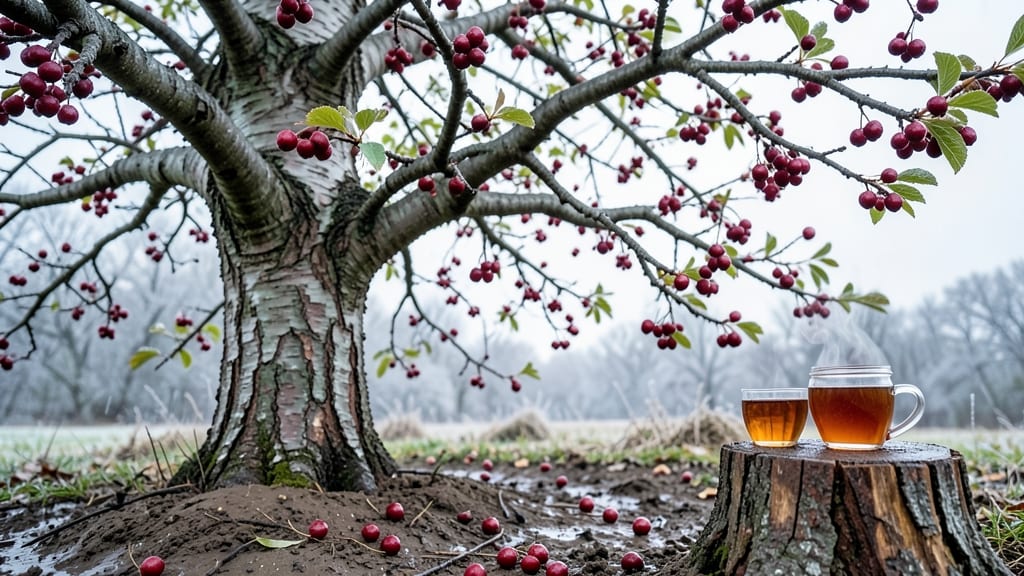
Looking to add a multi-purpose native tree to your Missouri garden? The chokecherry delivers tart, antioxidant-rich berries perfect for syrups, teas, or jams while thriving in conditions other trees avoid.
This hardy tree handles wet soils and late frosts with ease, making it ideal for low-lying areas or early spring plantings. The berries are packed with vitamin C and antioxidants, offering both culinary and medicinal benefits. Simply harvest when fully ripe (deep red) and process for jams, fermented drinks, or dried teas.
Perfect for homesteaders, herbalists, or wildlife gardeners, chokecherry’s resilience and versatility make it a standout native choice. 🌿
American Chestnut for Historic Resilience

Missouri’s forests once teemed with American chestnut trees, but blight nearly wiped them out—until now. This historic tree isn’t just a symbol of resilience; its nutritious nuts and towering shade make it a standout for modern gardens, especially if you’re willing to plant for future generations.
While blight-resistant varieties remain rare, Missouri’s native chestnut thrives in moist, well-drained soil and full sun to partial shade. Its fast growth rate (up to 3 feet per year) and dense canopy offer year-round shade, while the nuts—rich in protein and healthy fats—are a bonus for wildlife and humans alike. Plant saplings from reputable native plant nurseries to support restoration efforts.
This tree is perfect for landowners with space to spare, offering both ecological and practical benefits. By planting one, you’re not just adding beauty—you’re helping rewrite history. 🌱