
Aphids
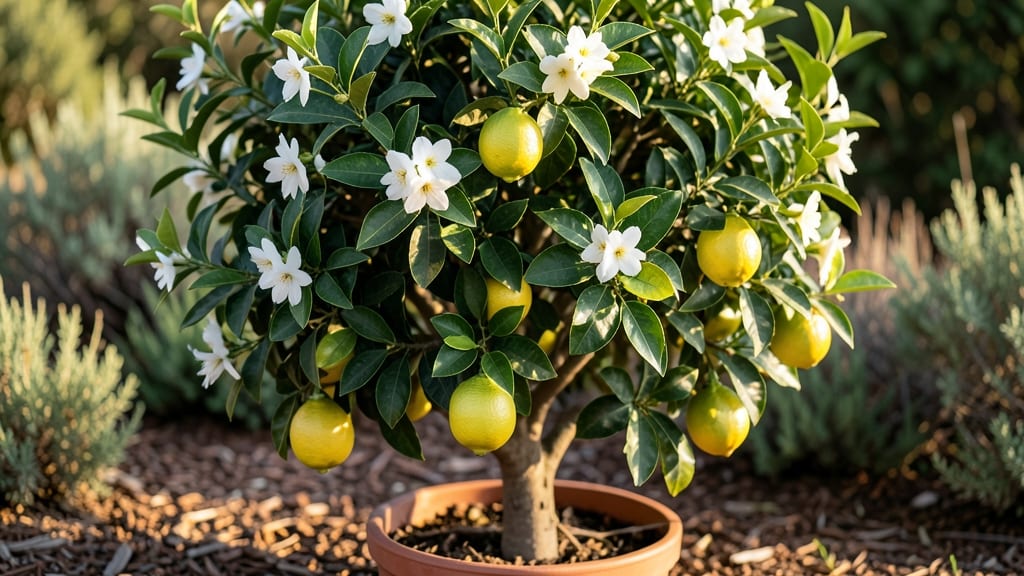
Meyer lemon fruit size is all about balance—aiming for 2 to 3 inches at harvest for that perfect sweet-tart flavor, but avoiding the oversized, seedy giants that can ruin your recipes.
Struggling to grow Meyer lemons that stay the perfect size—juicy but not oversized, sweet but not seedy? The secret lies in understanding how to control their growth from seedling to harvest.
These citrus gems thrive in Zone 9b-11, where they produce fruit year-round, but even in ideal conditions, their size depends on sunlight, water, and pruning. Too much nitrogen or inconsistent care can turn your 🍋 into a giant, or worse, a tiny, underripe disappointment.
In this guide, I’ll break down the natural growth stages, how to spot the ideal harvest size, and the 5 proven techniques to keep your Meyer lemons perfectly proportioned—so you’re always picking fruit that’s just right for your kitchen.


Meyer lemon fruit size: natural growth stages and ideal harvest dimensions
Understanding the natural growth stages of Meyer lemon fruit helps you predict size and optimize harvests. These lemons typically reach their ideal harvest dimensions of 2-3 inches in diameter after 6-9 months on mature trees.
The size varies based on tree age, climate conditions, and genetic factors, but consistency in care keeps them within this perfect range.
Young Meyer lemon trees (1-2 years old) produce smaller fruit, often 1-2 inches in diameter, due to limited energy reserves. As trees mature (3+ years), they develop the energy to produce fruit closer to the ideal 2.5-3.5 inch range, balancing sweetness and acidity perfectly.
The thickness of the rind also increases with maturity, making older fruit easier to peel and more flavorful.
Climate plays a crucial role in fruit size. In warm, frost-free zones (USDA 9b-11), Meyer lemons grow larger and ripen more consistently year-round.
Cooler climates (Zone 8 or below) may yield smaller fruit due to slower growth during shorter growing seasons. Sunlight exposure is another critical factor—trees receiving 6+ hours of direct sun produce larger, sweeter fruit compared to those in partial shade.
Here’s how Meyer lemons compare to other varieties in terms of size and flavor profile:
| Variety | Avg. Fruit Size (inches) | Flavor Profile | Harvest Window |
|---|---|---|---|
| Meyer Lemon | 2.5-3.5 | Sweet, low acid | Year-round (frost-free zones) |
| Eureka Lemon | 2-3 | Tart, high acid | Fall-Winter |
| Lisbon Lemon | 3-4 | Balanced sweet-tart | Spring-Summer |
| Ponderosa Lemon | 4-6 | Mild, thick rind | Summer-Fall |
To identify peak ripeness, focus on three key visual cues: the fruit’s color transition from green to uniform yellow, a slight softness when pressed (not mushy), and a strong, sweet aroma near the stem.
Unripe lemons will feel hard and green, while overripe ones may develop wrinkled skin or a fermented smell. Harvesting at the right stage ensures the perfect balance of sweetness and acidity that Meyer lemons are famous for.
Tree age directly impacts fruit size. First-year trees may produce tiny, underdeveloped fruit (1 inch or less) due to limited resources. By year three, trees typically reach their full fruiting potential, producing 2-3 inch lemons consistently.
If your tree is younger than 3 years, avoid overloading it with fruit—thin clusters to 3-5 lemons per branch to encourage larger, sweeter fruit.
Pruning also influences size. Light pruning in late winter removes crowded branches, allowing sunlight and air to reach the fruit. This reduces competition for nutrients, resulting in larger, healthier lemons.
Avoid heavy pruning, as it can stress the tree and stunt growth. Instead, focus on shaping the canopy to improve airflow and sunlight penetration.
Soil quality and nutrient balance are often overlooked but critical for optimal fruit size. Meyer lemons thrive in well-draining, slightly acidic soil (pH 6.0-7.0). Amend heavy clay soils with compost or sand to prevent root rot, which can limit nutrient uptake and reduce fruit size.
A balanced fertilizer (6-6-6 NPK) applied every 6-8 weeks during the growing season supports steady growth without promoting excessive foliage at the expense of fruit development.
Watering habits also play a role. Inconsistent moisture—either drought stress or overwatering—can lead to small, misshapen fruit. Deep watering 2-3 times per week during hot months (summer) ensures roots access moisture without encouraging fungal diseases.
In cooler months, reduce watering to once weekly to mimic natural rainfall patterns and encourage deeper root growth.
Finally, pollination affects size. Meyer lemons are self-pollinating, but cross-pollination with other citrus varieties can sometimes yield slightly larger fruit. If you notice small, seedless lemons, hand-pollinate by gently shaking branches to release pollen.
For best results, plant two Meyer lemon trees nearby or introduce a bee-friendly garden to attract natural pollinators like bees and butterflies.
5 Proven techniques to control Meyer lemon fruit size naturally
Controlling Meyer lemon fruit size starts with understanding your tree's natural growth patterns. These citrus trees produce fruit year-round in frost-free zones, but their size can vary dramatically based on your care routine.
The key is balancing nutrient availability, water management, and structural pruning to encourage consistent, medium-sized fruit—typically 2.5-3.5 inches in diameter for optimal sweetness and juice yield.
Unlike standard lemons, Meyer lemons naturally produce smaller, sweeter fruit when given proper attention. The challenge is avoiding two extremes: oversized, seedy lemons that become mealy or tiny, underdeveloped fruit that lacks flavor.
With these five techniques, you'll achieve that perfect balance without synthetic chemicals. The best part? All methods work organically and fit seamlessly into your regular citrus care routine.
Prune new growth in late winter to redirect energy. Remove overcrowded branches to improve air circulation, which naturally reduces fruit size by limiting cluster density.
Remove 50% of young fruit when they're golf-ball sized. Space remaining fruit 4-6 inches apart on branches to prevent competition for nutrients, ensuring even, medium-sized development.
Water deeply 2-3x/week in summer, avoiding surface-level moisture. Deep watering encourages root development, which stabilizes fruit size by preventing erratic growth spurts.
Apply seaweed extract (1 tbsp/gallon) every 4-6 weeks during fruiting. Seaweed contains auxins that naturally limit excessive growth while enhancing flavor.
Use low-nitrogen fertilizer (6-6-6 NPK) in spring and fall. High nitrogen promotes leafy growth over fruit, while potassium-rich feeds (0-0-52) in summer support fruit maturation without oversizing.
Let's start with pruning, which is the foundation of size control. When you prune your Meyer lemon tree in late winter, you're not just shaping its structure—you're regulating fruit load.
Focus on removing water sprouts (those fast-growing, weak shoots) and any branches that cross or rub against each other. These pruning cuts send a signal to the tree to redirect energy toward fewer, higher-quality fruit rather than producing a dense cluster of small lemons.
After pruning, the next critical step is thinning fruit clusters. This might feel counterintuitive—after all, who wouldn't want more lemons? But removing 50% of young fruit when they're about the size of a golf ball makes all the difference.
Leave only the healthiest, most evenly spaced fruit on each branch. This spacing ensures each lemon gets enough nutrients and sunlight, preventing the tree from producing tiny, underdeveloped fruit or oversized, seedy monsters.
Your watering schedule plays a surprisingly large role in fruit size regulation. Meyer lemons need consistent moisture, but shallow, frequent watering leads to erratic growth. Instead, water deeply 2-3 times per week during summer months, soaking the soil to a depth of 12-18 inches.
This deep watering encourages strong root development, which in turn helps the tree maintain steady, predictable growth patterns. In winter, reduce watering to once per week to let the tree rest.
For an extra natural boost, incorporate organic growth regulators like seaweed extract. Mix 1 tablespoon of liquid seaweed extract per gallon of water and apply it to the soil every 4-6 weeks during the fruiting season.
Seaweed contains natural auxins and cytokinins that help regulate cell division, preventing fruit from becoming too large or too small. Plus, it enhances flavor and improves the tree's overall resilience to stress.
Finally, pay attention to your fertilizer choices. Many gardeners make the mistake of using high-nitrogen fertilizers, which promote lush foliage at the expense of fruit quality. Instead, opt for a balanced citrus fertilizer (like 6-6-6 NPK) in spring and a potassium-rich formula (like 0-0-52) in summer.
This approach ensures your Meyer lemon tree produces medium-sized, sweet fruit rather than prioritizing leafy growth over harvestable lemons.