
Landscaping
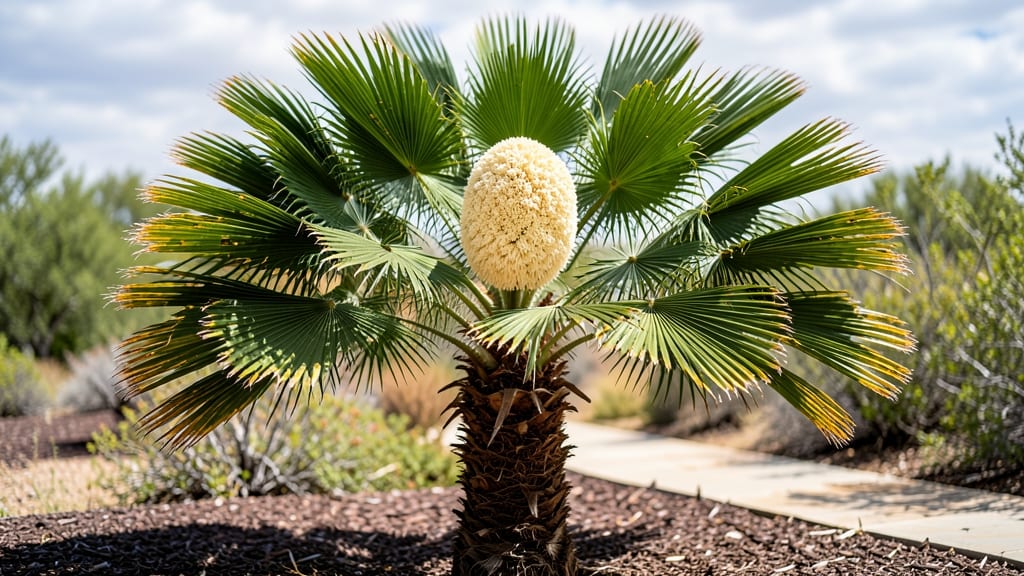
Growing Mexican fan palm fruit (Washingtonia robusta) is easier than you think—if you know the secrets. 🌵 This drought-resistant palm thrives in desert climates and can produce those iconic black fruit clusters if given the right care (and a little patience).
Most gardeners assume palm fruit is rare in cultivation, but with proper conditions, yours can bear fruit in 5-10 years—not the decades some sources claim.
The key to fruit production starts with full sun exposure—at least 6-8 hours daily—and well-draining soil. Mexican fan palms hate soggy roots, so amend heavy soil with sand or gravel to mimic their native desert environment.
Water deeply but infrequently: once established, they tolerate drought better than most palms, making them perfect for water-conscious landscapes.
When fruit does appear, it’s a stunning sight: clusters of black, grape-like fruits that birds and wildlife adore. The trade-off? Pruning becomes essential—remove old fronds to redirect energy toward fruit production.
With proper care, your palm can grow 3-5 feet per year and reach heights of 60+ feet, becoming a true desert showstopper.
Common mistakes include overwatering (which causes root rot) or planting in shaded spots (which stunts growth). In hot climates like Arizona or Southern California, these palms shine—just give them space to spread their iconic fan-shaped fronds. Ready to grow one that’s both beautiful and productive?
📚 In This Guide
- What you need
- Instructions
- Tips and common mistakes
- Wrapping up and next steps
What you need
- ● Mexican fan palm seeds or nursery-grown saplings: 1–3 plants (depending on desired spacing). Pro tip: Seeds may take 5–10 years to bear fruit, so saplings (3–5 ft tall) are ideal for faster results! 💡
- ● Well-draining soil mix: 50% native soil (sandy or loamy)
- ● 30% coarse sand or perlite (for aeration)
- ● 20% compost or aged manure (for nutrients)
- ● Planting hole: Twice as wide as the root ball, with a depth to accommodate the palm’s root flare (no deeper than the container’s base).
- ● Organic mulch: 2–3 inches of wood chips or bark (keep mulch 6 inches away from the trunk to prevent rot).
- ● Garden trowel or shovel (for digging)
- ● Wheelbarrow (for mixing soil)
- ● Watering can or hose with a gentle spray nozzle (palms hate soggy roots!)
- ● Pruning shears (for removing dead fronds or fruit clusters)
- ● Gloves & knee pads (because palm work is not a spa day 😅)
- ● Full sun location: At least 6–8 hours of direct sunlight daily (partial shade tolerates but may reduce fruit production).
- ● Drought-tolerant zone: USDA Hardiness Zones 9–11 (or container-grown palms in cooler climates).
- ● Wind protection: Young palms need shelter from strong winds (use burlap screens if needed).
- ● Patience: Fruit production typically begins at 10–15 years (but the wait is worth it for those edible golden clusters!).
- ● Slow-release fertilizer: Palm-specific formula (apply 2–3 times/year in spring/summer).
- ● Drip irrigation system: For deep, infrequent watering (palms hate shallow roots!).
- ● Palm support stake: Temporary stake for young plants in windy areas.
- ● Bird netting: To protect fruit clusters from hungry critters (yes, even squirrels love Mexican fan palm fruit!).
Step-by-Step guide to growing Mexican fan palm fruit
Here's how to cultivate this stunning, drought-resistant palm for edible fruit and architectural beauty.
🌱 Step 1: Select and Prepare the Planting Site
Choose a location with full sun exposure (6+ hours daily) and well-draining soil—Mexican fan palms (Washingtonia robusta) thrive in hot, arid conditions but despise soggy roots. Test your soil's drainage by digging a 12-inch hole: if water pools after 30 minutes, amend with 3-4 inches of coarse sand or gravel mixed into the top 12 inches of soil.
I always dig a hole twice as wide as the root ball but only as deep as the container it came in. This prevents burying the trunk too deeply, which can cause rot. For multiple plants, space them 15-20 feet apart—their fronds spread wide as they mature, creating a dramatic tropical canopy.
🪴 Step 2: Plant the Palm with Proper Spacing and Support
Remove the palm from its container and loosen the roots gently if they're circling. Place it in the hole so the base of the trunk sits 1-2 inches above ground level—this prevents water from pooling around the trunk. Backfill with native soil mixed with compost (1 part compost to 3 parts soil) to encourage root establishment without overwhelming the plant.
Stake young palms only if necessary—Mexican fan palms grow upright naturally, but in windy areas, use 3-4 stakes (2-3 feet tall) tied loosely with soft fabric strips. Avoid wire ties that can cut into the trunk as it grows. Water deeply immediately after planting to settle the soil around roots, but don't overdo it—this palm's drought tolerance starts the day it's planted.
☀️ Step 3: Establish Watering and Fertilization Routines
For the first 3 months, water deeply once every 2 weeks—enough to moisten the soil 12-18 inches deep. After that, water only when the soil feels completely dry to the touch 3-4 inches below the surface. Overwatering is the #1 killer of Mexican fan palms; yellowing fronds often signal root rot from excess moisture.
Fertilize lightly in spring with a balanced palm fertilizer (6-6-6 or 8-2-12), applying half the recommended dose. I use a slow-release granular fertilizer spread in a 6-inch radius around the drip line—never touch the trunk. Skip fall and winter feedings; the palm enters dormancy in cooler months and doesn't need extra nutrients.
✂️ Step 4: Prune and Maintain for Fruit Production
Remove dead or dried fronds by cutting them at the base with clean, sharp pruners. Never leave stubs—cut flush with the trunk to prevent disease. I prune only when 50% of the frond is brown and brittle, as healthy fronds provide energy for fruit production. The palm's iconic "skirt" of old fronds actually protects the trunk from sun scorch, so don't remove them prematurely.
Fruit production begins after 5-7 years, with clusters of 1-inch diameter berries ripening from green to deep purple. Harvest when the fruit is soft and slightly sweet—usually in late summer to early fall. Wear gloves; the fruit stains easily and can irritate skin. Remove only fully ripe fruit to encourage more production next season.
🌿 Step 5: Protect and Monitor for Long-Term Health
Watch for spider mites or scale insects, which thrive in dry conditions. I treat infestations with a strong spray of water first, followed by horticultural oil if needed. Mexican fan palms rarely need pesticides—healthy plants resist pests naturally. In coastal areas, protect young palms from salt spray by rinsing the fronds with fresh water monthly during windy seasons.
The palm's natural growth rate is 1-2 feet per year, but with proper care, it can reach 60-100 feet tall. Mulch annually with 2-3 inches of wood chips in spring to retain moisture and suppress weeds, but keep mulch 6 inches away from the trunk to prevent rot. This single step dramatically improves soil health and reduces watering needs.
Tips & tricks for growing Mexican fan palm fruit
Here's what I've learned after years of cultivating these magnificent palms—simple adjustments that make all the difference.
Soil Test Matters: The 30-minute drainage test in Step 1 is non-negotiable. I've seen palms fail spectacularly when planted in soil that seemed fine until after roots established. For heavy clay soils, consider creating a raised bed with a 50/50 mix of native soil and coarse sand—this dramatically improves drainage while maintaining nutrient balance. The key is replicating the natural arid conditions these palms thrive in.
Staking Strategy: When using the 3-4 stakes in windy areas (Step 2), I recommend using flexible bamboo stakes tied with soft landscape fabric. The fabric stretches as the trunk grows, preventing the wire-like damage I've seen from traditional twine. Check the ties every 6 months—loosen them if they're cutting into the trunk. Remember, these palms grow fast, and tight ties become nooses.
Watering Wisdom: The 12-18 inch deep watering in Step 3 requires patience. I use a soil probe to check moisture—if it comes out dry at 3-4 inches, it's time to water. In summer heat, I might water every 3 weeks instead of biweekly, but always check first. The goal is to encourage deep root growth, not surface moisture that leads to rot. Yellowing fronds? That's your first warning sign of overwatering.
Pruning Precision: For the 50% brown frond rule in Step 4, I carry a small pruning saw in my gardening bag. Cutting at the base prevents unsightly stubs that collect moisture and attract pests. I also keep a bucket of water nearby—those fronds are dusty from months of sun exposure, and rinsing them before composting prevents dust clouds when you're done. The fruit production timeline (5-7 years) is exciting but requires this careful maintenance.
Pro Tips for Mexican Fan Palm Fruit
- Here's what I've learned after years of cultivating these magnificent palms—simple adjustments that make all the diff...
- Soil Test Matters: The 30-minute drainage test in Step 1 is non-negotiable. I've seen palms fail spectacularly when p...
- Staking Strategy: When using the 3-4 stakes in windy areas (Step 2), I recommend using flexible bamboo stakes tied wi...
Frequently asked questions
When do Mexican fan palm fruits actually ripen?
The fruit typically matures between late summer and early fall (August–October in most U.S. growing zones). Look for bright red or orange hues and a slightly soft texture when ripe—though they won’t fall like dates. Harvest when fully colored for the best flavor and texture. Pro tip: Overripe fruit may ferment, so check palms weekly!
Can I eat Mexican fan palm fruit raw, or do I need to cook it?
Yes! The fruit is edible raw and has a tangy, citrusy flavor with a hint of sweetness—similar to a mix of lychee and passionfruit. Many enjoy it fresh, but you can also blend it into smoothies, jams, or desserts. Caution: Remove the fibrous core and seeds before eating. Always start with a small bite to check for allergies.
Why aren’t my Mexican fan palms producing fruit?
Several factors can delay fruiting:
- Age: Palms often take 5–10 years to mature enough for fruit.
- Light: They need full sun (6+ hours/day)—shade reduces flowering.
- Water: Overwatering stresses the plant; drought tolerance is key!
- Soil: Poor drainage or nutrient deficiencies (like magnesium or potassium) can hinder fruit production.
If your palm is healthy but still not fruiting, consider hand-pollinating flowers with a soft brush to boost chances.
Are there non-fruiting varieties of Mexican fan palm?
Yes! While Washingtonia robusta (the Mexican fan palm) is primarily grown for its architectural foliage, some cultivars focus on ornamental traits over fruit. For example, ‘Desert Queen’ is a dwarf variety bred for landscape appeal rather than harvest. If you love the look but not the mess, opt for these sterile hybrids!
Are Mexican fan palm fruits toxic to pets?
The fruit itself isn’t toxic, but the seeds and fibrous core can cause digestive upset or blockages if ingested in large quantities. Keep pets away from fallen fruit, and supervise outdoor access if your palm is near pet areas. When in doubt, contact your vet—especially for small animals like cats or dogs.
Can I propagate Mexican fan palm from seed?
Start by soaking seeds in warm water for 24 hours to soften the shell. Plant them 1 inch deep in a well-draining mix (like cactus soil) and keep moist but not soggy. Germination can take 3–6 months. Note: Seed-grown palms may take decades to fruit—patience is key!
Wrapping up and next steps
Growing Mexican fan palm fruit isn’t just about adding a stunning tropical touch to your landscape—it’s a rewarding way to embrace drought-resistant beauty in hot climates. 🌵 With the right soil, sunlight, and care, you’ll enjoy its striking fronds and delicious harvests for years to come.
Ready to take the next step? Start by selecting a healthy sapling or seed, then give it the love it deserves—your future palm will thank you! Happy planting! 🌱