
Shrubs
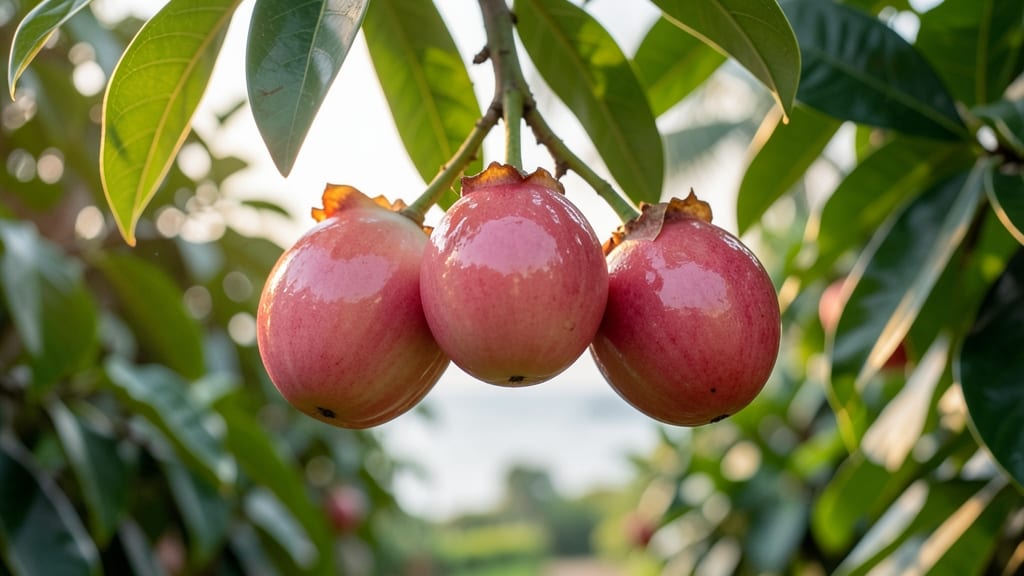
Lychee trees produce some of the most exotic and delicious fruits in the world, but not all varieties thrive in every climate. These 10 rare lychee cultivars—ranging from cold-hardy to ultra-tropical—offer gardeners unique flavors, growth habits, and cultivation challenges perfect for expanding your orchard or collection.
Cold-Hardy Brewster Lychee
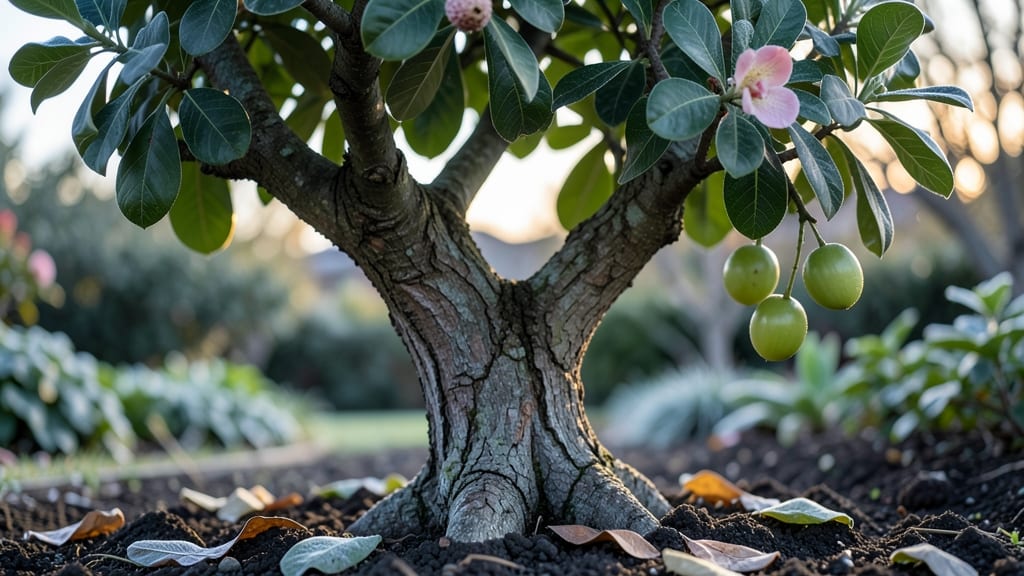
Ready to grow lychees in temperate zones without constant worry about frost damage? The Brewster Lychee is your answer—this rare variety pushes the boundaries of lychee cultivation by surviving brief frosts down to 20°F (-6°C). While it still prefers warm summers, its cold tolerance makes it the only true option for gardeners in Florida’s inland regions or southern California’s coastal valleys.
To maximize its resilience, plant Brewster Lychees in well-draining soil with full sun exposure (6+ hours daily) and protect young trees with burlap wraps during unexpected cold snaps. Unlike tropical varieties, it thrives in USDA zones 9-11, producing deep red, aromatic fruit with a sweet-tart flavor. Prune aggressively in late winter to encourage strong growth and fruit production—this variety rewards patience with heavy yields after just 3-4 years.
Perfect for urban orchards or small farms, Brewster Lychees offer a taste of the tropics without the risk of frost damage. 💪
Sweet Pink Pearl Lychee
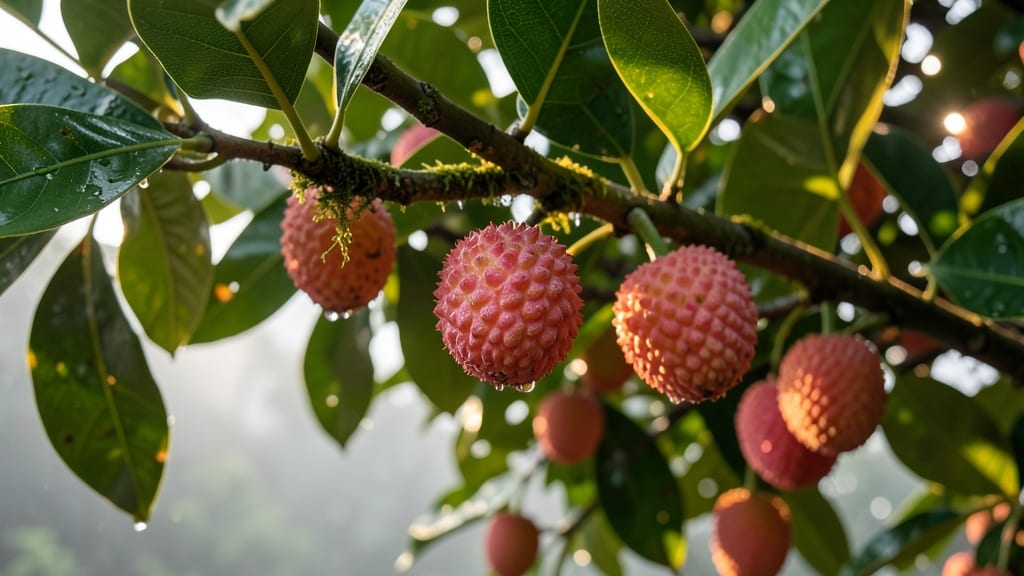
If you're dreaming of a lychee tree that delivers consistently large fruit with minimal fuss, the Sweet Pink Pearl variety is your answer. Unlike its more delicate cousins, this tropical gem thrives in humid climates like Hawaii and Puerto Rico, where it produces honey-sweet pink-fleshed fruit that's both visually stunning and irresistibly flavorful.
This variety stands out for its low pest susceptibility, making it a favorite among organic growers. Plant it in well-draining, slightly acidic soil with full sun exposure (6+ hours daily), and maintain consistent moisture—especially during flowering. The delicate pink hue of the flesh sets it apart from traditional white-fleshed lychees, offering a unique sensory experience that fruit connoisseurs will adore.
Perfect for tropical gardeners who want showstopping fruit with less maintenance than other varieties, the Sweet Pink Pearl is ideal for those with the right climate—or a greenhouse with controlled humidity. 🌿
Early Red Lychee
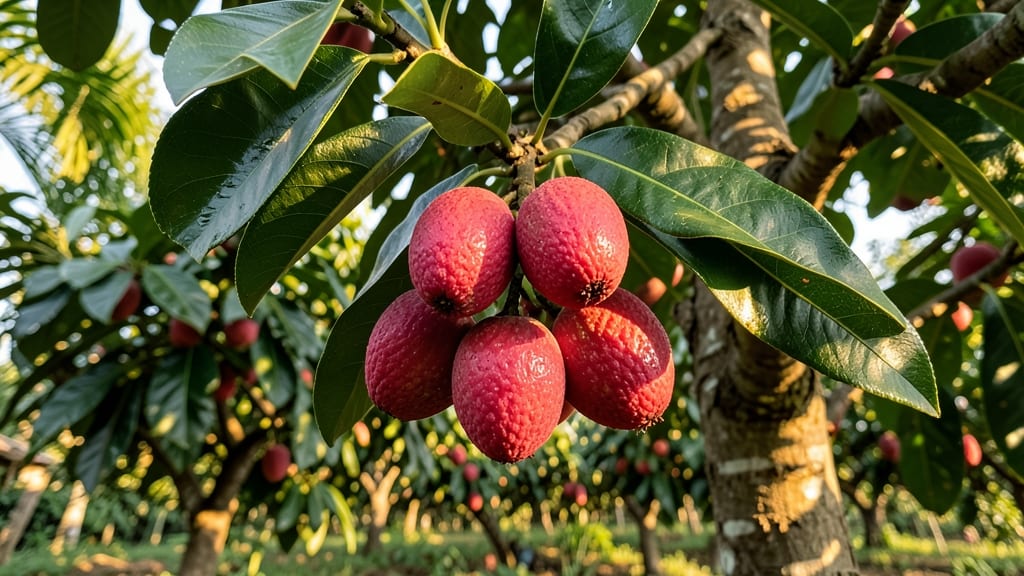
If you crave summer fruit but can't wait for late-season lychees, Early Red Lychee delivers the fastest harvest of any commercial variety—ripening 10-14 days ahead of competitors. This makes it the perfect choice for home gardeners in subtropical zones like southern China or coastal Queensland, where heat and humidity align perfectly with its early fruiting window.
The variety thrives in well-draining, slightly acidic soil (pH 5.0-6.5) and requires full sun exposure (6+ hours daily) to maximize fruit set. Unlike slower-maturing types, Early Red Lychee trees typically bear fruit 2-3 years after planting, with consistent yields if pollinated by another variety like Kwai Mai Pink. Its vibrant red skin and sweet, aromatic flesh make it a standout at harvest time.
This early-maturing gem is ideal for small-scale growers who want to enjoy lychees sooner—without compromising flavor or quality. Perfect for those eager to extend their fruiting season! 🌱
Kwai Mai Pink Lychee
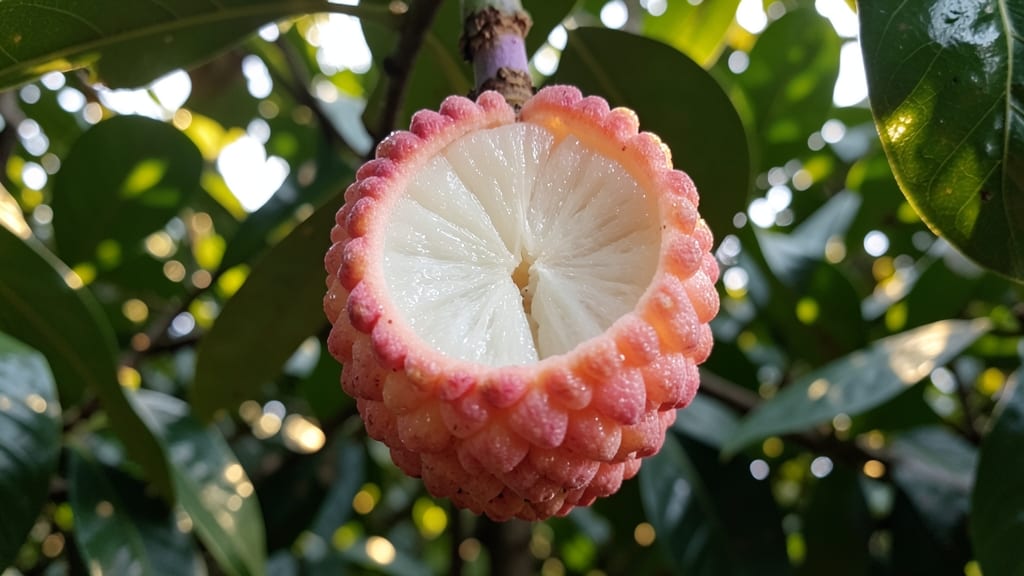
If you're dreaming of a year-round lychee harvest without seasonal limitations, the Kwai Mai Pink is your tropical superstar. This Thai cultivar stands out with its thick, pink-tinged skin and intensely sweet white flesh, making it a showstopper in any orchard—especially in hot, humid climates like Southeast Asia or coastal Florida.
Unlike many lychees that rely on seasonal cues, Kwai Mai Pink thrives with consistent irrigation management, producing fruit continuously when watered properly. Its disease resistance and vigorous growth also make it ideal for urban tropical gardens or small farms. For best results, plant in well-draining, slightly acidic soil and protect young trees from strong winds.
Perfect for growers who want exotic flavor without the seasonal wait, this variety’s bold sweetness and vibrant appearance make it a favorite for fresh eating or gourmet markets. 🌻
Tai So Lychee
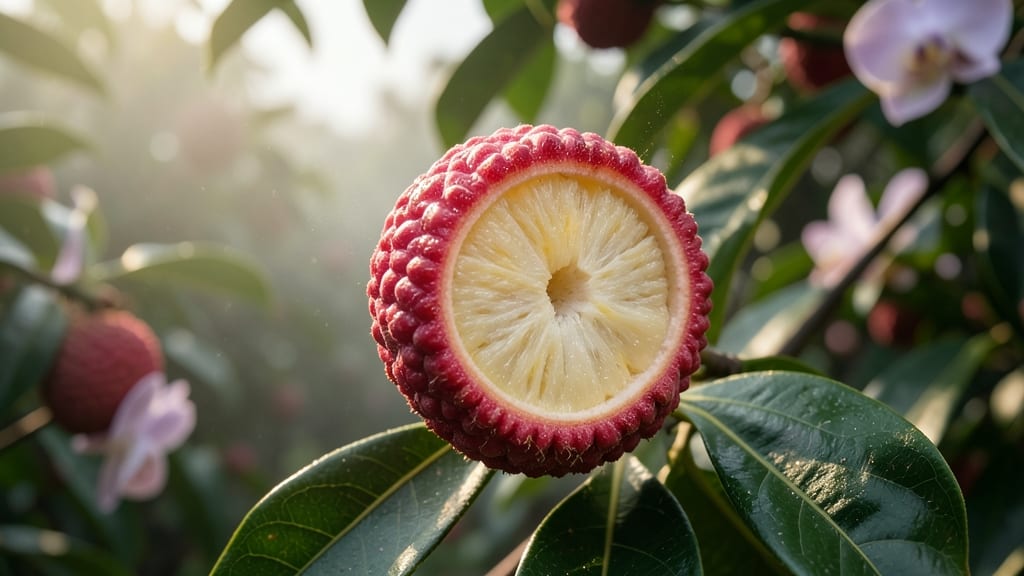
If you're chasing the ultimate lychee experience, the Tai So variety delivers a sensory upgrade with its buttery texture and delicate floral aroma—often called the "queen of lychees." This isn't your average tropical fruit; it demands microclimate precision to unlock its full potential.
Growers in southern Florida's protected valleys or coastal California's frost-free zones can cultivate this variety, which thrives in 75-85°F temperatures year-round. The key is avoiding temperature swings—even brief dips below 60°F can stress the tree and reduce fruit quality. For optimal results, plant in well-draining soil with partial shade during peak afternoon sun, and maintain consistent moisture without waterlogging.
This variety is ideal for specialty growers who want to impress with gourmet-quality fruit—perfect for high-end markets or personal orchards. Just be prepared to coddle it like the diva it is! ✨
Salathiel Lychee
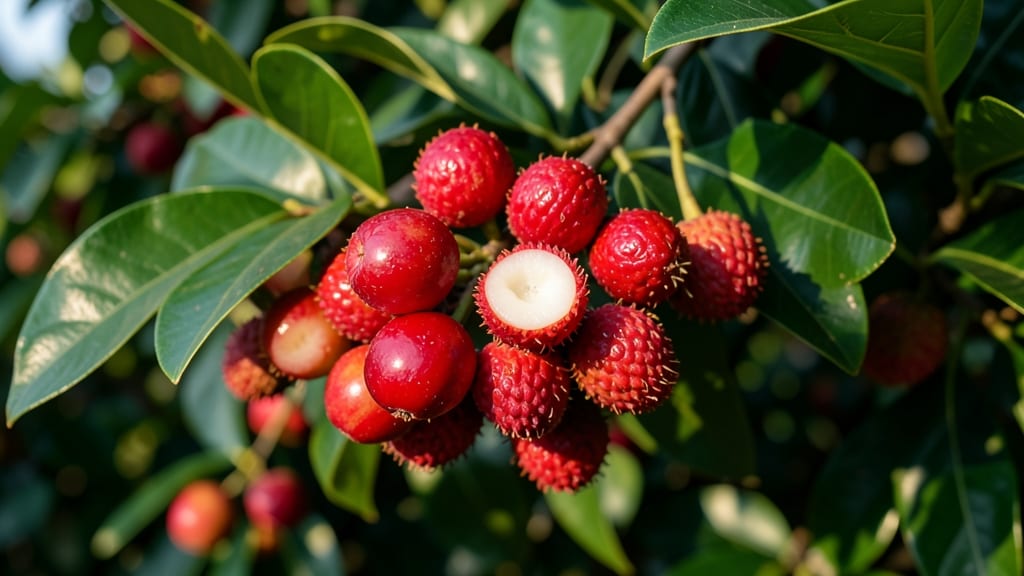
If you're looking for the perfect lychee to grow for both fresh eating and preserving, Salathiel delivers a winning balance of sweetness and acidity that makes it a commercial favorite. This variety thrives in tropical climates like Vietnam and Thailand, where its glossy red skin and juicy white flesh are prized for home canning or enjoying fresh off the tree.
Salathiel trees are known for their reliable yields and adaptability to well-drained, slightly acidic soils. They require full sun exposure (6+ hours daily) and consistent moisture, especially during flowering and fruiting seasons. The fruit typically ripens in late summer to early fall, giving you a harvest window that aligns with peak tropical growing conditions.
This variety is ideal for home gardeners in warm climates who want a versatile lychee that works for both culinary and fresh consumption. Its popularity in commercial markets also means you’ll find established growing techniques and propagation tips readily available. 🌻
Champagne Lychee
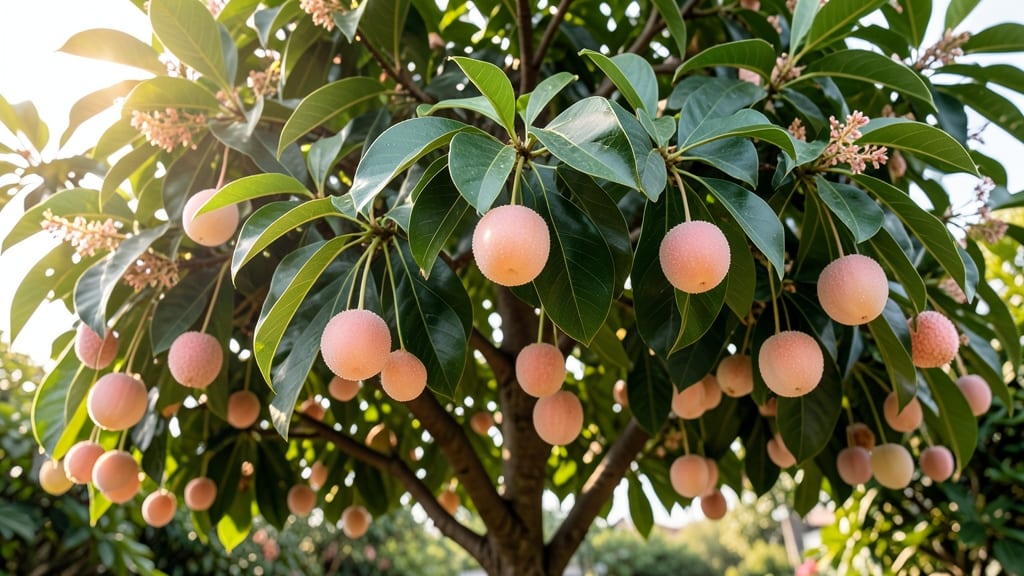
If you're dreaming of a lychee tree that feels like a cross between a floral bouquet and a fruit bowl, the Champagne Lychee delivers with its signature bubblegum-scented aroma and pale pink, translucent flesh. This isn’t your typical lychee—it’s a sensory showstopper that thrives in high-altitude tropical zones (think 3,000–5,000 feet elevation), where cooler nights prevent premature fruit drop.
The key to growing this rare variety lies in mimicking its native conditions: well-draining volcanic soil, morning sun with afternoon shade, and consistent moisture without waterlogging. Unlike most lychees, it tolerates slightly cooler temperatures, making it a standout for specialty growers in places like Hawaii’s upland regions or Papua New Guinea’s highlands. The fruit’s unique flavor—often described as a mix of strawberry and champagne—makes it a prized addition for gourmet markets and fruit collectors.
For those with the space and patience, this lychee offers a one-of-a-kind harvest that’s as beautiful as it is delicious. 🌟
Wai Chee Lychee
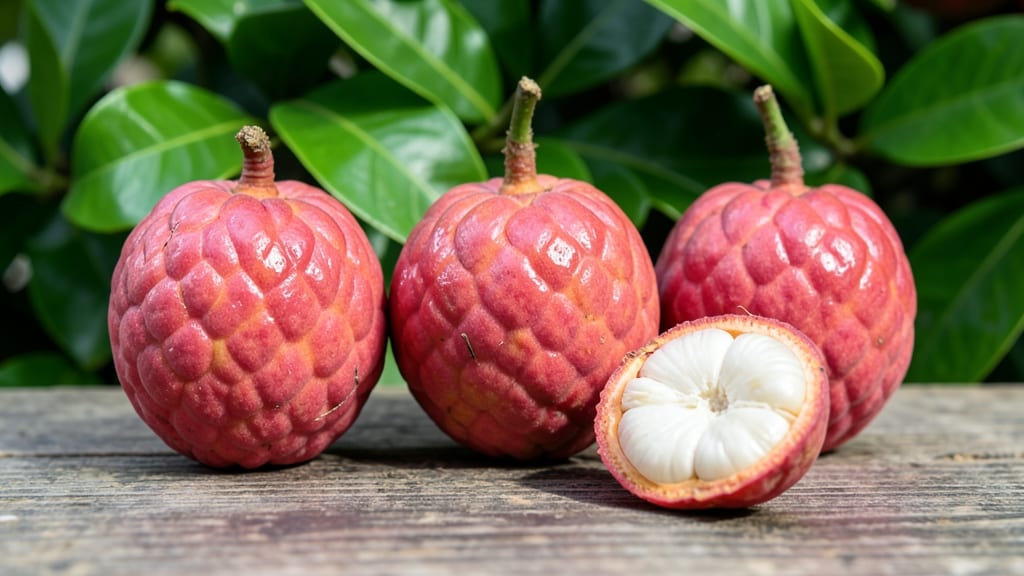
If you're tired of lychees that split open or succumb to disease, the Wai Chee hybrid might be your game-changer. Developed in Hawaii specifically for organic growers, this variety combines large, firm fruit with a built-in resistance to common lychee ailments like anthracnose and fruit rot.
Perfect for coastal California or Caribbean climates, Wai Chee thrives in humid, tropical conditions with well-draining soil and full sun exposure. Its thick skin reduces cracking, ensuring a higher percentage of marketable fruit—ideal for both home orchards and small-scale farming. Prune lightly in late winter to encourage airflow and reduce humidity-related stress.
This variety is especially valuable for organic growers who want reliable yields without synthetic interventions. The disease-resistant traits make it a low-maintenance option for those new to lychee cultivation. 🌱
Bengal Lychee
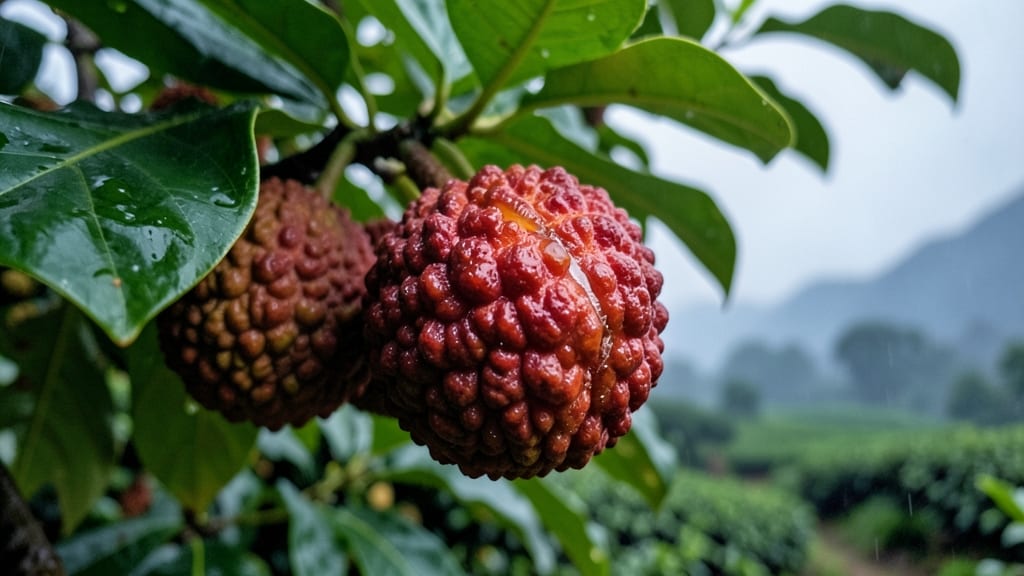
If you're craving a lychee variety with deep cultural roots and unmatched sweetness, the Bengal lychee delivers—especially if you love traditional Indian flavors like sandesh. This heirloom treasure thrives in the monsoon-drenched climates of West Bengal and Assam, where its thick, textured skin protects the intensely sweet, juicy white flesh beneath.
For gardeners in similar tropical or subtropical zones, plant Bengal lychees in well-draining, slightly acidic soil with partial shade during peak afternoon heat to prevent sunburn. The trees flourish with regular watering but avoid waterlogging, as their roots prefer consistent moisture without soggy conditions. Prune lightly after harvest to encourage airflow and fruit production.
This variety is a must-try for home growers who want to cultivate a fruit with both culinary and cultural significance. Its thick skin makes it ideal for shipping and preserving, while its sweetness shines in desserts or fresh-eating. Perfect for those who love a challenge with a rewarding payoff! 🌟
Mauritius Lychee

If you're dreaming of gourmet-quality lychees but live in a subtropical microclimate, the Mauritius Lychee might be your perfect match. This heirloom variety from the Indian Ocean islands produces exceptionally large fruit with a thin, delicate skin—unlike the tougher-skinned varieties you might find in stores.
To grow this prize-winning lychee, maintain consistent humidity levels (60-80%) and protect it from strong winds, which can damage its delicate skin. The trees thrive in USDA Zones 10-12, where they reward patient growers with creamy white, ultra-sweet flesh that's a favorite among specialty fruit enthusiasts. Prune lightly to encourage airflow and prevent fungal issues.
This variety is ideal for serious fruit collectors or those with protected microclimates (like coastal greenhouses) who want to grow something truly unique. The payoff? Fruit so exquisite it feels like a vacation in every bite. 🌟