
Shrubs
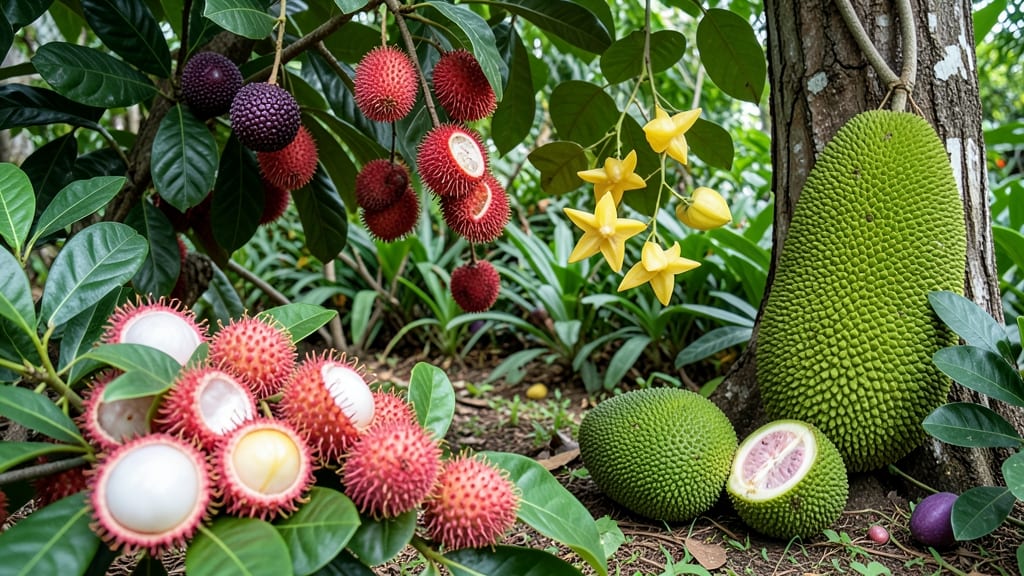
Growing exotic fruits in Florida isn’t just possible—it’s a year-round adventure that turns your yard into a tropical oasis. 🌴 I’ve watched lychees ripen in June, mangoes blush by August, and breadfruit swell by October, all thriving under Florida’s relentless sun.
The key? Matching each fruit’s needs to your microclimate—whether that’s a shady grove or a sun-drenched patio corner.
Start with three must-grow varieties: lychee (needs well-draining soil and 6+ hours of sun), mango (drought-tolerant once established), and guava (handles humidity better than most).
Plant in late winter or early spring to avoid hurricane season stress, and stake young trees—Florida’s winds don’t care if your sapling is exotic. Mulch heavily to retain moisture, and prune only to shape, never to “thin out” (that’s a tropical no-no).
By year two, you’ll be harvesting sweet, sun-ripened fruit that tastes nothing like store-bought—think juicy lychees with floral notes or mangoes so tender they melt in your hand. The trade-off?
A little extra pest watch (mealybugs love guava) and hurricane prep (wrap trunks in burlap for wind protection). Trust me, the payoff is worth every extra step.
Local nurseries like Bok Tower Gardens or Fairchild Tropical Botanic Garden stock disease-resistant varieties, and Florida’s extension offices offer soil tests to tweak your mix. Just skip the invasive species (like papaya—it’s a no-go here), and you’re golden. Ready to turn your backyard into a fruit bowl?
📚 In This Guide
- What you need
- Instructions
- Tips and common mistakes
- Wrapping up and next steps
What you need
- ● Exotic Fruit Plants: Choose 3–5 varieties (e.g., lychee, mangosteen, carambola (starfruit), or soursop)—start with young saplings from a reputable nursery.
- ● Well-draining soil: 5+ bags of sandy loam mix (or amend clay soil with 10 lbs of compost per plant).
- ● Organic fertilizer: 10-10-10 NPK blend (5 lbs per plant, applied every 6–8 weeks).
- ● Mulch: 3–4 inches of pine bark or wood chips to retain moisture and regulate temperature.
- ● Drip irrigation system: 1/4-inch tubing + emitters (or a 5-gallon watering can for smaller setups).
- ● Pruning shears: Bypass pruners (sharp, 6–8 inch blades) for shaping and harvesting.
- ● Gloves & long sleeves: Protect against thorns (e.g., carambola or guava).
- ● Shade cloth: 30–50% shade fabric for young plants during Florida’s brutal summer heat.
- ● pH test kit: Ensure soil pH is 5.5–6.5 (most tropical fruits thrive in slightly acidic soil).
- ● Pollination aid: A soft paintbrush for hand-pollinating self-incompatible varieties (e.g., mangosteen).
- ● Fruit cages: Lightweight netting to protect ripening fruit from birds and squirrels.
- ● Growth charts: Print or bookmark Florida-specific fruit maturity timelines for tracking progress.
Step-by-step guide to planting exotic fruits in Florida’s climate
Florida’s year-round warmth makes growing tropical fruits a breeze—here’s how to turn your yard into a fruit paradise.
🌱 Step 1: Select the Right Varieties for Your Region
Florida’s climate zones (North, Central, and South) dictate which exotic fruits thrive best. For North Florida, focus on figs, pomegranates, and loquats—they tolerate cooler winters. In Central Florida, mangoes, lychees, and longans flourish with minimal winter protection. South Florida’s tropical heat suits jackfruit, durian, and sapodilla perfectly.
I always check the USDA hardiness zone for my location before buying plants. For example, a mango tree in Zone 10 (South Florida) won’t survive a frost in Zone 9 (Central Florida) without extra care. Local nurseries often stock region-specific varieties, so ask for advice—this saves time and money.
☀️ Step 2: Plant in Well-Draining, Fertile Soil
Exotic fruits hate soggy roots, so amend heavy clay soil with 3-4 inches of compost and sand (equal parts) before planting. A slightly acidic to neutral pH (6.0-7.0) works best for most tropical fruits. I dig a hole twice as wide as the root ball and loosen the sides to encourage root spread.
For container growing (great for renters or small spaces), use a fast-draining mix—I blend 60% potting soil, 20% perlite, and 20% coconut coir. Add a slow-release fertilizer at planting time to give young trees a nutrient boost. Water deeply right after planting to settle the soil around roots.
💧 Step 3: Water Deeply but Infrequently
Newly planted exotic fruit trees need 1-2 inches of water per week, but deep watering (every 5-7 days) encourages strong root growth. I use drip irrigation to avoid wetting leaves, which prevents fungal diseases like anthracnose—a common issue in Florida’s humidity.
Once established (after 6-12 months), most tropical fruits tolerate drought better than overwatering. You’ll know your tree is thirsty when the top 2-3 inches of soil feel dry. Mulch with 3-4 inches of wood chips to retain moisture and regulate soil temperature.
✂️ Step 4: Prune for Shape and Fruit Production
Prune lightly in late winter or early spring (before new growth starts) to remove dead, crossing, or weak branches. I focus on opening the canopy to improve airflow and sunlight penetration—this reduces disease risk and boosts fruit set. For mangoes and lychees, I thin out suckers (shoots at the base) to direct energy into fruit production.
Never prune more than 25% of the tree at once, or you’ll shock it. Use sterilized pruning shears to prevent spreading citrus greening or other bacterial infections. After pruning, apply a balanced fertilizer (like 6-6-6) to support recovery.
🪴 Step 5: Protect from Pests and Florida’s Unique Threats
Florida’s hurricane season and pests (like citrus greening and fruit flies) demand vigilance. I wrap young trees in burlap during storms to prevent wind damage and apply neem oil every 4-6 weeks as a natural pest deterrent.
Watch for yellowing leaves—a sign of nutrient deficiency or pest infestation. If you spot tiny black bugs (scale) or chewed fruit, treat with horticultural oil or insecticidal soap. In South Florida, freeze warnings can damage tropical fruits, so I cover sensitive plants with frost cloth when temperatures dip below 32°F.
Tips & tricks for thriving exotic Florida fruit trees
Here's what I've learned from years of growing tropical fruits in Florida's challenging climate—these details make all the difference between struggling plants and fruit-bearing paradise.
Zone-Specific Planting: Don't just pick any variety—match your fruit trees to Florida's three distinct climate zones. For example, loquats thrive in North Florida's cooler winters (Zone 8-9) but may struggle in South Florida's intense heat. I always verify my USDA hardiness zone before purchasing, and local nurseries often stock region-specific varieties that handle local pests better. This simple step prevents costly mistakes and ensures better survival rates.
Soil Preparation: The 3-4 inches of compost and sand mixture I use before planting is non-negotiable for Florida's heavy clay soils. For container growing, my go-to blend of 60% potting soil, 20% perlite, and 20% coconut coir creates the perfect drainage while retaining enough moisture. The key is testing your soil pH first—most tropical fruits prefer that slightly acidic to neutral range (6.0-7.0). I've seen trees fail spectacularly when planted in unamended native soil.
Watering Wisdom: Florida's humidity makes overwatering a silent killer. After establishing your trees, let the top 2-3 inches of soil dry completely between waterings. I've found that drip irrigation systems work best—they deliver water directly to the roots without wetting leaves, which dramatically reduces fungal diseases like anthracnose. The 5-7 day watering schedule for new plants might seem counterintuitive in Florida's heat, but it forces roots to grow deeper and stronger.
Pruning Strategy: When you prune in late winter or early spring, focus on opening the canopy rather than just removing dead branches. I aim to create a shape that allows sunlight to reach all parts of the tree—this isn't just about aesthetics, it's about fruit production. For mangoes and lychees specifically, thinning out suckers at the base redirects the tree's energy toward fruit development. Remember, never remove more than 25% of the foliage at once, or you'll shock the tree and invite pest problems.
Pro Tips for Exotic Fruits In Florida
- Here's what I've learned from years of growing tropical fruits in Florida's challenging climate—these details make al...
- Zone-Specific Planting: Don't just pick any variety—match your fruit trees to Florida's three distinct climate zones....
- Soil Preparation: The 3-4 inches of compost and sand mixture I use before planting is non-negotiable for Florida's he...
Frequently asked questions
Can I grow exotic fruits in Florida’s urban areas?
Many exotic fruits thrive in Florida’s urban landscapes, especially in containers or small yards. Opt for dwarf varieties like Sugar Baby lychee or Petite Pink sapodilla. Ensure they get 6+ hours of sunlight daily and well-draining soil. Just avoid planting invasive species like Macadamia integrifolia in restricted zones.
How long does it take for exotic fruit trees to bear fruit?
Patience is key! Most tropical fruits take 2–5 years to produce fruit, depending on the species. For example:
- Mangoes: 3–4 years
- Lychees: 4–6 years
- Guavas: 2–3 years
What’s the best exotic fruit for beginners?
Start with low-maintenance, fast-growing options like:
- Guava (Psidium guajava): Hardy, drought-tolerant, and produces fruit in 2 years.
- Banana (Musa spp.): Grows quickly in warm climates; try Dwarf Cavendish for small spaces.
- Pomegranate (Punica granatum): Thrives in Florida’s heat and yields sweet fruit in 3–4 years.
How do I protect exotic fruit trees from Florida’s hurricanes?
Prepare with these tips:
- Prune trees to remove weak branches before storm season.
- Use burlap wraps or tree guards to shield trunks from wind damage.
- Plant in well-draining soil to prevent root rot from flooding.
- For container-grown trees, move pots to sheltered areas or secure them with stakes.
Can I eat exotic fruits straight from the tree?
Most exotic fruits are edible when ripe, but some require full ripening off the tree (like mangoes or lychees). Others, like ackee or soursop, must be cooked first. Always research your specific fruit—some, like pokeweed berries, are toxic! When in doubt, consult a local agricultural extension office.
Wrapping up and next steps
Florida’s tropical climate is a dream for exotic fruit lovers—with the right knowledge, you can turn your backyard into a year-round harvest paradise! From lychees to starfruit, these vibrant plants not only thrive in the Sunshine State but also reward you with unique flavors and nutritional perks.
Whether you’re a seasoned gardener or a curious beginner, now’s the perfect time to plant, nurture, and savor the fruits of your labor.
Ready to dive in? Start small—pick one fruit to experiment with, gather your supplies, and watch your garden transform! 🌱🍈 For even more tips, explore local nurseries or Florida Extension Service resources to keep your exotic fruit adventure growing.