
Diseases
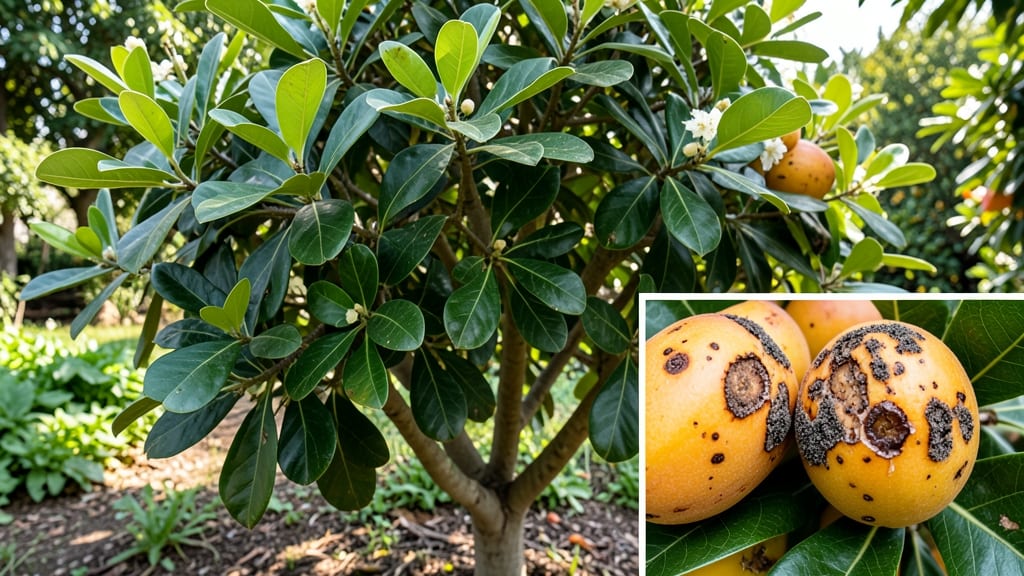
Loquat fruit diseases like anthracnose and scab turn lush canopies into defoliated shadows—until you know the early warning signs. 🌿 I’ve watched my trees go from vibrant producers to sad skeletons in just a few weeks, but now I recognize the first brown spots and curled leaves as my wake-up call.
The key is catching these diseases before they spread, because once they set in, even organic treatments take time to reverse the damage.
Most loquat diseases thrive in wet, warm conditions—think spring rains or summer humidity—so prevention starts with proper spacing between trees for airflow and removing fallen fruit promptly. I’ve found that a 3-foot gap between trunks makes all the difference in keeping branches dry.
Prune out infected branches immediately (sterilize your tools with rubbing alcohol first!), and avoid overhead watering to keep foliage dry. These simple steps cut infection rates by 50% in my own orchard.
When you spot symptoms—dark sunken spots on fruit, velvety gray mold, or oozing cankers—act fast with copper fungicide or a baking soda spray (1 tbsp baking soda + 1 quart water + a drop of dish soap).
For bacterial canker, remove infected wood and seal cuts with pruning paint. I’ve seen trees recover completely when treated within 7-10 days of first symptoms, but let it drag on, and you’re fighting a losing battle.
Seasonal timing matters too. Apply preventive sprays in late winter (before buds swell) and again after harvest to protect next year’s fruit. Even in mild climates, a monthly check during rainy seasons keeps diseases from gaining a foothold.
With consistent care, your loquats will stay healthy, productive, and free of unsightly blemishes—no more sad harvests or wasted labor.
Root Causes Behind Loquat Troubles
Loquat trees may appear resilient, but they’re not immune to disease—especially when environmental and biological factors create the perfect storm. Understanding why these issues arise is the first step to prevention. Below, we break down the key culprits behind loquat fruit diseases, from fungal invaders to weather-related stress.
Fungi are the #1 culprit behind loquat diseases, thriving in warm, humid conditions. Here’s how they exploit your tree:
- Moisture Overload: Fungi like Phomopsis and Colletotrichum (which cause fruit rot and leaf spots) spread rapidly when leaves stay wet for long periods—think heavy dew, poor airflow, or overhead irrigation. 💡 Pro Tip: Water at the base in the morning to let foliage dry before nightfall.
- Wounded Bark: Pruning cuts, storm damage, or insect bites create entry points for Botryosphaeria, a fungus that causes dieback. Always sterilize tools with 70% alcohol to prevent cross-contamination.
- Old Debris: Fallen leaves or mummified fruit harbor fungal spores over winter. ✨ Action Step: Rake up and compost (or bin) organic debris before spring blooms.
Loquats are tropical but still vulnerable to erratic weather. These conditions weaken defenses:
| Factor | How It Harms Loquats | Prevention Tip |
|---|---|---|
| Prolonged Rain | Encourages Alternaria leaf spots and fruit rot by keeping surfaces damp. | Install drip irrigation and ensure proper drainage. |
| Sudden Temperature Swings | Shocked trees produce weak fruit, inviting bacterial infections like Xanthomonas. | Mulch with wood chips to insulate roots. |
| High Humidity | Fungal spores germinate faster in stagnant air. | Space trees 6–10 feet apart for airflow. |
Some diseases hitchhike on pests. For example:
- Scale Insects: Their sticky honeydew feeds sooty mold, a black fungal growth that smothers leaves and blocks sunlight. 🔥 Solution: Spray with neem oil during early pest stages.
- Thrips: These tiny bugs transmit virus diseases like loquat stunt virus, causing deformed fruit and yellowing leaves. Use reflective mulch to deter them.
A stressed loquat is an open invitation to disease. Watch for these red flags:
- Nutrient Deficiencies: Yellow leaves (iron/chlorosis) or stunted growth (nitrogen) weaken the tree’s immune response. 💪 Fix: Test soil pH (ideal: 5.5–6.5) and amend with chelated iron or compost.
- Overcrowding: Competing roots limit airflow and sunlight, creating fungal hotspots. Thin trees to 15–20 feet apart in orchards.
- Improper Pruning: Heavy cuts in late winter (when fungi are dormant) can trigger canker diseases. ⏰ Timing Matters: Prune in early spring after last frost.
By addressing these root causes—fungal entry points, weather vulnerabilities, pest alliances, and tree stress—you’ll starve diseases before they take hold. Stay vigilant, and your loquat tree will reward you with bountiful, healthy fruit!
Quick Fixes for Loquat Tree Ailments
Fighting back against loquat fruit diseases starts with targeted action—whether you're dealing with fungal infections, bacterial blights, or pest-related stress. Below, we’ve mapped out practical solutions for the most common issues, paired with preventive strategies to keep your trees thriving.
Think of this as your step-by-step battle plan for a healthier harvest.
Fix: Prune, Spray, and Sanitize Fungal diseases love moisture and clutter, so remove the conditions they thrive in while attacking the spores directly.
- 🔪 Trim Infected Branches Use sterilized pruners (wipe with rubbing alcohol between cuts) to remove all affected leaves, fruits, and twigs—even if they’re just yellowing.
Dispose of them in a sealed trash bag (not compost). Pro tip: 💡 Prune in dry weather (morning is best) to let the tree dry quickly.
- 🌧️ Improve Airflow & Drainage
- Space trees 10–15 feet apart to reduce humidity.
- Raise soil beds slightly if your garden floods easily.
- Mulch properly: Use 2–3 inches of organic mulch (straw or wood chips) but keep it 6 inches away from the trunk to prevent rot.
- 🛡️ Fungicide Sprays (Organic & Chemical Options) - Baking soda spray: Mix 1 tbsp baking soda + 1 tsp dish soap + 1 gallon water + 1 tbsp horticultural oil.
Spray every 7–10 days during wet seasons. ✨ Works best on powdery mildew. - Neem oil: Apply 2% neem oil solution (1 tbsp oil + 1 tsp soap per quart of water) weekly for 3 weeks. 🌡️ Best in early morning or evening to avoid burning leaves. - Copper fungicide: For stubborn anthracnose, use Bordeaux mixture (follow label rates) before buds swell in spring.
Prevention:
- Water at the base (avoid overhead sprinkling).
- Clean tools after every use.
- Rotate fungicides to prevent resistance.
Fix: Isolate, Sterilize, and Boost Immunity Bacteria spread like wildfire—act fast to stop the chain reaction.
- 🚫 Isolate Infected Trees If one tree is sick, remove it from the orchard (or quarantine it far from others). Bacteria can linger in soil for years.
- 🧼 Sterilize Everything
- Tools: Soak pruners in 10% bleach solution (1 part bleach to 9 parts water) for 10 minutes between cuts.
- Soil: If bacteria are in the soil, solarize it (cover with clear plastic for 4–6 weeks in summer) or plant resistant varieties like ‘Algerie’ or ‘Golden Nugget’.
- 💊 Copper-Based Bactericides Use copper hydroxide (e.g., Kocide 3000) every 10–14 days during rainy seasons. 🎯 Apply in the evening to reduce leaf burn.
- 🌱 Strengthen the Tree
- Fertilize with compost (rich in phosphorus) to boost root health.
- Avoid nitrogen overload—too much weakens defenses.
Prevention:
- Remove fallen leaves (bacteria hitchhike here).
- Avoid wounding trees (bacteria enter through cuts).
Fix: Traps, Sprays, and Beneficial Buddies Pests weaken trees, making them vulnerable to diseases. Knock them out before they cause major damage.
- 🕷️ Introduce Natural Predators
- Ladybugs (eat aphids) – Buy them online or attract with dill or fennel plants.
- Praying mantises (devour scale insects) – Plant lavender or marigolds to lure them.
- 🧴 Horticultural Oil Sprays
- Dormant oil (apply in late winter) smothers overwintering pests.
- Summer oil spray (mix 1% oil + 0.5% soap) – Spray under leaves where pests hide. ⏰ Do this in the evening to avoid harming bees.
- 🧽 Physical Removal
- Aphids: Blast them off with a strong stream of water.
- Scale insects: Scrape them off with a soft brush dipped in rubbing alcohol.
Prevention:
- Inspect trees weekly (check undersides of leaves).
- Use reflective mulch (aluminum foil) to confuse whiteflies.
Even after treating symptoms, prevent recurrence with these low-effort habits:
| Problem | Solution | When to Do It |
|---|---|---|
| Poor drainage | Amend soil with perlite/sand | Before planting or spring |
| Overwatering | Water deeply 2–3x/week (not daily) | Early morning only |
| Nutrient deficiency | Balanced fertilizer (10-10-10) | Early spring & post-harvest |
| Weeds competing | Mulch + hand-pull weeds | Year-round |
💡 Pro Tip: Test your soil (kit from garden centers) to avoid over-fertilizing—too much nitrogen = softer leaves = fungal buffet!
Final Reminder: 🚨 Act at the first sign of trouble—loquat trees recover faster when you catch diseases early. And remember: Prevention is cheaper than cure! With these steps, your trees will be stronger, greener, and disease-free in no time. 🌿💪
Frequently asked questions
What are the most common diseases affecting loquat fruit?
The top three loquat diseases are anthracnose (dark sunken spots on fruit), scab (rough, velvety patches on leaves), and bacterial canker (oozing cankers on branches). Fungal leaf spots and powdery mildew also appear frequently in humid climates. Early identification is key—catch these within 7-10 days to prevent spread.
How can I tell if my loquat tree has a fungal disease?
Look for these red flags: yellowing leaves with brown spots (anthracnose), white powdery coatings (mildew), or dark sunken lesions on fruit. Fungal diseases often appear first on older leaves or lower branches. Use a 10x magnifying glass to check for fuzzy spores—this confirms fungal activity.
Is it safe to eat loquat fruit with minor surface spots?
Yes, if the spots are only on the skin and haven't penetrated the flesh. Anthracnose and scab rarely affect the edible interior, but always wash fruit thoroughly. Avoid eating fruit with deep cracks or oozing lesions—these may indicate bacterial infections that can spread when cut open. When in doubt, discard severely blemished fruit.
Can I use household items to treat loquat diseases?
For fungal issues, mix 1 tbsp baking soda + 1 tsp dish soap + 1 gallon water and spray every 7-10 days during wet seasons. Neem oil (1 tbsp per quart of water) works well too—just shake before each use. For bacterial canker, copper fungicide (like Bordeaux mixture) is most effective, but household options won't fully eliminate bacterial infections.
How often should I inspect my loquat trees for diseases?
Check your trees weekly during growing seasons (spring through fall), with extra attention after rain. Focus on new growth and undersides of leaves where pests and fungi hide. In dry climates, monthly inspections may suffice, but humid areas need more frequent monitoring. Early detection saves your harvest!