
Pruning
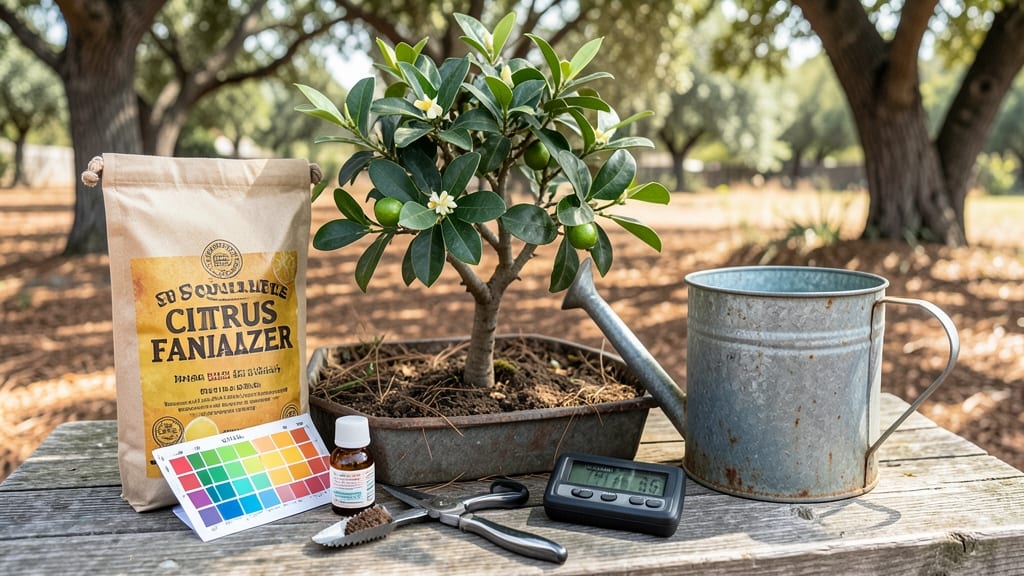
Your lime tree isn’t fruiting because it’s stuck in survival mode—not growth mode. 🌿 Pruning at the right time and with the right cuts can shock it into producing those fragrant, tangy limes you crave.
The secret lies in when you prune, how much you remove, and what you do with the new growth that follows.
Most lime trees need bright, direct sunlight for 6+ hours daily, but they also hate extreme heat or cold drafts. If your tree’s leaves are pale or sparse, it’s not getting enough light or nutrients.
My trees started blooming reliably after I moved them to a south-facing spot, added citrus-specific fertilizer, and pruned back the leggy branches that stole energy from fruit production.
By mid-spring, you’ll see fresh green shoots—those are your fruit factories. Prune just above a leaf node at a 45-degree angle, and within 8-12 weeks, you’ll spot tiny white blossoms.
The key is consistency: prune lightly every 3-4 months, and your tree will reward you with harvests year after year, not just every other season.
This works for Meyer limes, Persian limes, and even dwarf varieties. The same tricks apply whether your tree is in a pot or planted in the ground—just adjust the pruning tools to the size. Let’s get those branches working for you instead of against you.
Root Causes Behind Missing Limes
Lime trees are known for their vibrant foliage and fragrant blossoms, but when they fail to produce fruit, it can be frustrating for gardeners. Understanding the underlying reasons behind this issue is the first step toward reviving your tree’s productivity.
Below, we break down the most common causes—backed by science—and explain how each one disrupts the fruiting process.
---
Lime trees (Citrus aurantifolia and related varieties) are self-pollinating, but they rely heavily on bees, butterflies, and wind to transfer pollen from one flower to another. If pollinators are scarce—or if your tree’s flowers aren’t accessible—they may drop before fertilization occurs.
Why it happens: - Lack of pollinators: Urban areas, early mornings (when bees are less active), or pesticide use can reduce insect activity. - Poor flower exposure: Dense foliage or weak branches may shield blossoms from wind or pollinators. - Timing issues: Lime trees bloom in spring, but if the weather is too cold, wet, or stormy, pollinators may avoid the flowers.
Actionable fix: Hand-pollinate flowers with a soft paintbrush on dry, sunny days (7–10 AM). Plant bee-friendly flowers (like lavender or marigolds) nearby to attract pollinators.
---
Lime trees are heavy feeders, requiring a balanced diet of nitrogen (N), phosphorus (P), and potassium (K)—plus micronutrients like zinc, iron, and magnesium. A deficiency in any of these can stunt growth, reduce flowering, or prevent fruit set.
Why it happens: - Nitrogen (N) deficiency: Leads to yellowing leaves and weak stems, which can’t support heavy blooms. - Phosphorus (P) deficiency: Slows root and flower development, resulting in fewer blossoms. - Potassium (K) deficiency: Weakens the tree’s ability to transport nutrients to flowers and developing fruit. - Micronutrient imbalances: Zinc deficiency (common in alkaline soils) causes stunted growth and poor flowering, while iron deficiency (chlorosis) reduces photosynthesis, limiting energy for fruit production.
Actionable fix: Test your soil and amend with: - Citrus-specific fertilizer (high in N-P-K, e.g., 6-6-6 or 8-3-9). - Epsom salt (magnesium sulfate) for magnesium deficiencies. - Chelated iron for chlorosis in alkaline soils. - Compost or well-rotted manure to improve soil structure and microbial activity.
---
Lime trees thrive in warm climates (USDA Zones 9–11) but can suffer from temperature extremes, drought, or excessive moisture, all of which disrupt flowering and fruiting.
Why it happens: - Cold damage: Temperatures below 32°F (0°C) can kill flowers and young fruit, while late frosts (after blooming) destroy blossoms before pollination. - Heat stress: Prolonged temperatures above 95°F (35°C) cause flower drop and poor fruit development. - Water stress: - Drought reduces photosynthesis, limiting energy for blooms. - Overwatering leads to root rot, which starves the tree of nutrients. - Poor drainage causes anaerobic soil, suffocating roots and reducing nutrient uptake.
Actionable fix: - Mulch (2–4 inches of wood chips) to retain moisture and regulate soil temperature. - Water deeply but infrequently (1–1.5 inches per week, more in extreme heat). - Use shade cloth in scorching climates to protect flowers. - Choose a frost-free location or use frost cloths in early spring.
---
Pruning is essential for lime trees, but aggressive or poorly timed cuts can reduce flowering by removing too many fruit-bearing branches or disrupting the tree’s energy balance.
Why it happens: - Pruning at the wrong time: - Late winter/early spring (before blooming) removes potential flower buds. - Summer pruning can stress the tree, reducing next year’s blooms. - Over-pruning: Removing more than 25% of the canopy in one session can weaken the tree, leaving little energy for fruit production. - Removing too many water sprouts or suckers: These may seem unproductive, but they contribute to the tree’s overall vigor.
Actionable fix: - Prune in late winter/early spring (just before buds swell) to encourage new growth. - Limit cuts to 15–25% of the canopy per year. - Avoid heavy pruning in summer—focus on light shaping instead. - Preserve scaffold branches (main structural limbs) to maintain fruit-bearing zones.
--- Fungal infections, bacterial diseases, and pests can damage flowers, leaves, and fruit, leading to poor yields or complete crop failure.
Why it happens: - Fungal diseases: - Citrus greening (HLB): Spread by Asian citrus psyllids, this bacterial disease blocks nutrient transport, causing yellowing leaves and fruit drop. - Anthracnose: Causes black lesions on leaves and flowers, preventing pollination. - Root rot: From overwatering or poor drainage, it weakens the tree’s immune system. - Pests: - Aphids, mites, and scale insects sap nutrients from leaves, reducing energy for blooms. - Citrus leaf miners damage foliage, limiting photosynthesis.
Actionable fix: - Inspect trees regularly for yellowing, spots, or sticky residue (honeydew). - Apply neem oil or horticultural oil to control pests. - Use copper fungicides for anthracnose prevention. - Remove infected branches and sterilize pruning tools to prevent spread. - Introduce beneficial insects (ladybugs, lacewings) to control pests naturally.
--- Some lime trees take years to mature, while others are less productive due to their genetics.
Why it happens: - Young trees (under 3–5 years): Focus energy on root and canopy growth rather than fruiting. - Dwarf varieties (e.g., ‘Tahiti’ or ‘Bearss’): May produce smaller yields compared to standard lime trees. - Seed-grown trees: Often less reliable in fruiting than grafted varieties.
Actionable fix: - Be patient—wait until the tree is 3–5 years old before expecting consistent fruit. - Choose grafted varieties (e.g., ‘Mexican’ or ‘Key’ limes) for better yield reliability. - Fertilize young trees with low-nitrogen, high-phosphorus blends to encourage flowering.
Revitalize Your Lime Tree’s Fruit Production
---
Got a lime tree that’s all leaves and no limes? Don’t worry—most of the time, the issue is fixable with the right care. Below, we’ll tackle the most common reasons your lime tree isn’t fruiting and provide practical, step-by-step solutions to get those tangy rewards back in your hands.
Plus, we’ll share prevention tips to keep your tree thriving long-term.
---
If your lime tree is overcrowded or shaded, it struggles to produce fruit. Pruning isn’t just about shaping—it’s about encouraging growth where it matters.
How to do it: 🔥 🌿 Trim Back Dense Branches - Remove 1/3 of the oldest, thickest branches to improve airflow and sunlight penetration. - Focus on inner branches that block light from reaching the center.
🍳 🌞 Open the Canopy - Aim for an open, vase-like shape—this lets sunlight hit more leaves and flowers. - Cut back suckers (shoots at the base) and water sprouts (fast-growing vertical shoots).
👨🍳 🌿 Prune at the Right Time - Best time: Late winter or early spring (before new growth starts). - Avoid heavy pruning in summer—it can stress the tree and delay flowering.
💡 Pro Tip: Sterilize your pruning shears with rubbing alcohol between cuts to prevent disease.
--- Lime trees are sun-worshippers—they need 6-8 hours of direct sunlight daily to fruit well.
How to adjust: 🌡️ 🌞 Move to a Sunnier Spot - If your tree is in partial shade, relocate it to a south- or west-facing area. - Container growers? Place pots where they get full sun (even balconies work with proper positioning).
🌡️ 🔥 Protect from Frost & Cold Drafts - Lime trees hate cold snaps—if temps drop below 25°F (-4°C), they may drop flowers or stop fruiting. - Solution: Use frost cloth in winter or grow in USDA Zones 9-11 (or bring potted trees indoors in winter).
✨ Pro Tip: If you’re in a cooler climate, choose dwarf varieties (like ‘Meyer’ limes) or grow in containers for easier winter protection.
--- Overwatering or poor nutrition can stop flowering—lime trees need balanced care to produce fruit.
How to optimize: 💦 🌊 Water Deeply but Infrequently - Too much water? Roots suffocate, leading to root rot and poor fruiting. - Too little? Flowers drop off. - Fix: Water 1-2 inches per week (more in extreme heat). Let soil dry 2-3 inches deep between waterings.
🍎 🌿 Feed with the Right Nutrients - Lime trees need nitrogen (for leaves), phosphorus (for flowers), and potassium (for fruit). - Best fertilizers: - Balanced 6-6-6 or 8-8-8 (spring & summer) - Citrus-specific fertilizer (higher in nitrogen early season, shift to phosphorus/potassium as blooms appear) - Avoid high-nitrogen fertilizers in late summer—they encourage leaves over fruit!
💡 Pro Tip: Epsom salt (magnesium sulfate) can help if leaves turn yellow—sprinkle 1 tbsp per gallon of water monthly.
--- Sometimes, lime trees need a little shock to bloom. Try these gentle stress methods:
How to trigger blooms: 🔥 🌿 Prune Back Hard (But Not Too Late!) - Cut 1/3 of the canopy in late winter—this can stimulate new growth and flowers. - Avoid heavy pruning after June—it may reduce next year’s fruit.
🍳 🌞 Reduce Water Slightly in Late Summer - Let the soil dry out a bit before watering—this can trick the tree into flowering. - Don’t overdo it—just let the top 1-2 inches dry out.
👨🍳 🌿 Use a Dormancy Spray (For Potted Trees) - In late winter, spray branches with dormant oil (available at garden centers). - This mimics winter chill, encouraging blooms.
✨ Pro Tip: If your tree is young (under 3 years), it may not fruit yet—be patient! Focus on strong growth first.
--- Pests like aphids, scale, and spider mites sap energy, while diseases (like citrus canker) can kill flowers before they set fruit.
How to defend your tree: 🐛 🐜 Treat Pests Early - Neem oil spray (mix 1 tbsp neem oil + 1 tsp mild soap per quart of water)—spray every 7-10 days until pests are gone. - Hose off soft-bodied pests (like aphids) with strong water spray.
🦠 🌿 Prevent Fungal Issues - Remove fallen leaves/debris (fungi love hiding there). - Space trees properly (3-6 ft apart) for good airflow. - Avoid overhead watering—water at the base instead.
💡 Pro Tip: Ladybugs and lacewings are natural pest predators—encourage them by planting marigolds or dill nearby!
--- To avoid future problems, follow this year-round care plan:
| Season | Task | Why It Matters | |------------|----------|-------------------| | Winter | Prune lightly, protect from frost | Removes dead wood, encourages spring blooms | | Early Spring | Fertilize with high-nitrogen, water deeply | Boosts leaf growth for energy | | Late Spring | Thin fruit (if overloaded) | Prevents small, poor-quality limes | | Summer | Fertilize with phosphorus/potassium, watch for pests | Supports flowering & fruit development | | Fall | Reduce water slightly, mulch | Preps tree for winter dormancy | | Year-Round | Monitor for pests/diseases, prune suckers | Keeps tree healthy and productive |
--- Lime trees can take 2-5 years to mature enough to fruit heavily. If you’ve tried these fixes and still see no blooms, your tree might just need more time.
But with proper pruning, sunlight, and care, you’ll be picking limes in no time—and maybe even sharing them with neighbors! 🍋✨
Ready to transform your lime tree? Start with one fix at a time—like pruning first, then adjusting water—so you don’t overwhelm the tree. Happy growing! 🌿🍋
Frequently asked questions
Why does my lime tree have flowers but no fruit?
This usually means pollination failed. Lime trees rely on bees, butterflies, or wind to transfer pollen. If your tree is in an urban area or you've used pesticides, pollinators may be scarce. Try hand-pollinating with a soft paintbrush on dry mornings (7-10 AM), or plant bee-friendly flowers nearby like lavender or marigolds.
How old does a lime tree need to be before it fruits?
Most lime trees take 3-5 years to mature enough for consistent fruiting. Young trees focus energy on root and canopy growth. If your tree is under 3 years old, be patient—focus on proper care (sunlight, water, and balanced fertilizer) to encourage future blooms. Dwarf varieties may fruit slightly earlier but typically produce smaller yields.
Can I force my lime tree to fruit faster?
You can't force it overnight, but you can encourage blooms with strategic care. Prune back 1/3 of the canopy in late winter to stimulate new growth. Reduce water slightly in late summer to create mild stress, or use dormant oil spray on potted trees in winter to mimic chill. Avoid heavy pruning after June—it may delay next year's fruit.
What's the best fertilizer for lime tree fruit production?
Use a balanced citrus-specific fertilizer (6-6-6 or 8-3-9 ratio) in spring and summer. For established trees, shift to a phosphorus/potassium blend (like 3-6-6) when blooms appear. Avoid high-nitrogen fertilizers in late summer—they encourage leaves over fruit. Add Epsom salt (1 tbsp/gal) monthly if leaves turn yellow.
Why did my lime tree's flowers drop off?
Flower drop often happens due to temperature stress (below 50°F/10°C or above 95°F/35°C), poor pollination, or nutrient deficiencies. Check for cold snaps, lack of bees, or yellowing leaves. If soil is too wet or dry, roots may not be supplying enough nutrients. Mulch to regulate soil temperature and water deeply but infrequently.