
Pruning
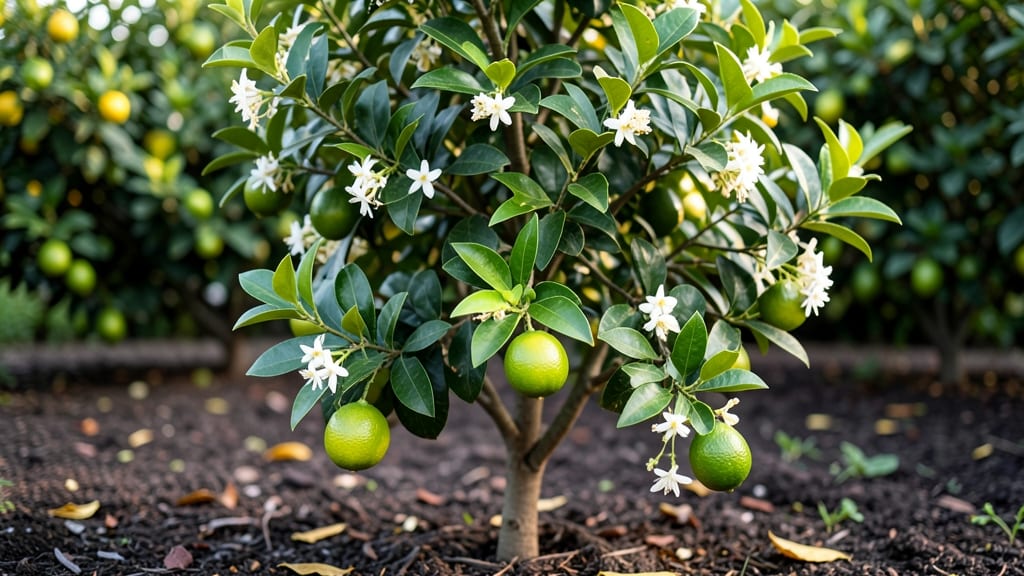
Your lime tree fruit production could double this year with the right pruning. 🌿 The difference between a handful of limes and a basketful often comes down to when and how you trim—not just cutting branches.
My Persian lime tree went from 20 fruits to 150 in two seasons after I learned these simple but powerful techniques.
Lime trees need two types of pruning: the annual cleanup in late winter (before new growth starts) and light shaping cuts after harvest to encourage next year’s fruit.
Key limes are more forgiving than Persians, but both respond best to pruning that opens the canopy to sunlight—where the sweetest, juiciest fruit develops. The goal isn’t just shaping; it’s redirecting energy into fruit-bearing branches rather than wild, leafy growth.
You’ll see the payoff in 6-8 weeks after pruning: new shoots emerge, flowers appear, and by mid-summer, you’ll have clusters of limes where there were none before. The tree stays healthier, resists pests better, and produces fruit earlier and more consistently each year.
Even if you’ve never pruned before, this method is foolproof once you know the three key cuts to make.
Works for both container-grown and in-ground trees, and the same principles apply whether you’re in Zone 9’s heat or a cooler coastal climate. Let’s get those branches trimmed—and that fruit harvest growing!
📚 In This Guide
- What you need
- Instructions
- Tips and common mistakes
- Wrapping up and next steps
What you need
- ● Pruning shears: Bypass pruners (sharp, clean, and sterilized with rubbing alcohol) for small branches (up to ½-inch thick). Pro tip: Avoid anvil pruners—they can crush branches!
- ● Loppers: For branches ½-inch to 2-inches thick (look for ratcheting or bypass types for ease).
- ● Pruning saw: A curved-tooth saw for thick branches (2+ inches). 💡 Tip: Keep a backup blade—lime trees can be stubborn!
- ● Gloves: Heavy-duty, cut-resistant gloves (thorns are no joke!).
- ○ Disinfectant: 70% isopropyl alcohol or a pruning sealant (optional but recommended to prevent disease spread).
- ● Ladder or step stool: Sturdy and tall enough to reach 6–8 feet safely. ⚠️ Safety first: Never stand on wobbly surfaces!
- ● Heavy-duty trash bags: For collecting pruned branches (aim for 30–50 gallon capacity).
- ○ Marking twine or flags: Colored string or small flags to tag branches for removal (optional but helpful for complex pruning).
- ● Pruning paint: Sealant for large cuts (prevents pests/disease).
- ● Extension pole: For high branches (10–12 feet).
- ● Work gloves with wrist straps: Extra grip for thorny varieties like Mexican lime.
- ● Camera or phone: Snap before/after pics to track progress!
- ● Compost bin: For repurposing pruned branches (great for mulch!).
- ● Weather check: Prune on a dry, cloudy day (avoid extreme heat or wind).
- ● Tree health assessment: Inspect for pests/diseases (e.g., sooty mold or scale insects) before pruning.
- ● Plan your cuts: Sketch a rough map of branches to remove (aim for 20–30% of the tree’s canopy max per session).
- ● Safety gear: Long sleeves/pants and closed-toe shoes (thorns + tools = ouch!).
Instructions for strategic lime tree fruit pruning
Here's how I keep my lime trees producing heavy, juicy fruit year after year—no guesswork involved.
✂️ Step 1: Prune for Airflow and Light in Late Winter
When new growth appears in late February or early March, grab your sterilized pruners and remove any dead, crossing, or diseased branches first. I always start with the 3 D's—Dead, Diseased, and Damaged—to prevent fungal spread. Cut back to the nearest outward-facing bud or branch collar to encourage proper healing.
Next, thin out branches that block sunlight from reaching the center. Lime trees need 6-8 hours of direct sun for fruit production, so I aim to open up the canopy by 20-30%. You'll see the difference immediately—more light means better fruit set later. Avoid heavy pruning now; you're just shaping the framework for next year's harvest.
🌿 Step 2: Light Summer Pruning After Flowering
After the tree finishes flowering in late spring, I do a second, lighter pruning pass. This is where you remove water sprouts—those fast-growing, vertical shoots that steal energy from fruit production. Snip them off at the base, and you'll notice the remaining branches look fuller and more balanced.
Here's the thing—watch for suckers growing from the base or graft union. These compete with the main tree and should be removed immediately. I also trim back any branches that grew too long during the flowering season, cutting them back to a leaf node that faces outward. This encourages bushier growth and more fruit-bearing wood.
⏰ Step 3: Post-Harvest Maintenance in Early Fall
After your main harvest in late summer or early fall, give your tree a final trim to clean up. Remove any branches that produced fruit but look weak or exhausted. These won't contribute much next season. I also check for dieback—branches that suddenly turn brown or stop growing—and prune those back to healthy wood.
This is also the time to adjust the tree's shape if needed. If branches are growing too close together, thin them out to improve airflow. You'll see fewer pest issues and better fruit quality next year. Avoid heavy pruning now—just tidy up and prepare the tree for dormancy.
✂️ Step 4: Winter Pruning for Structure and Health
In mid to late winter, when the tree is dormant, do a final structural pruning. Remove any branches that are rubbing against each other or growing inward. These will eventually cause wounds that invite disease. Cut back to a bud or branch collar, and always make clean cuts at a 45-degree angle just above a node.
I also look for old, unproductive wood—branches that haven't borne fruit in years—and remove them to encourage new growth. You'll know you're doing it right when the tree's center opens up and sunlight can reach all the way to the trunk. This ensures a strong, healthy framework for next season's fruit production.
Tips & tricks for perfect lime tree fruit production
Let me share the hard-won insights that transformed my lime trees from sporadic producers to fruit-bearing powerhouses every season.
Timing is Everything: The 6-8 hours of direct sun mentioned in Step 1 is non-negotiable for fruit production. I've found that positioning my trees where they receive morning sun (when it's less intense) and afternoon shade in summer actually improves fruit quality. Use a sun calculator for your specific location to determine the optimal placement—this makes all the difference in fruit size and acidity.
Pruning Tool Precision: Never use dull pruners—they crush branches instead of making clean cuts. I invest in sharp, sterilized bypass pruners for the winter pruning (Step 4) and smaller, precision pruners for the lighter summer work (Step 2). The clean cuts heal faster and reduce disease entry points. Remember to sterilize your tools between cuts with rubbing alcohol to prevent spreading any potential pathogens.
Seasonal Growth Patterns: Pay attention to your tree's natural growth cycles. In Step 2, when removing water sprouts, look for these vertical shoots that grow faster than the rest of the tree. These are nature's way of telling you the tree is stressed—usually from overcrowding or poor soil. Addressing them in late spring gives your tree energy to focus on fruit production rather than vertical growth.
Visual Pruning Cues: For Step 3's post-harvest maintenance, look for branches that have more than 3-4 years of growth—these are your "old wood" that won't produce much fruit. The key is to prune back to a leaf node that faces outward; you'll notice these nodes often have small buds that will become next year's fruit-bearing branches. This outward-facing cut ensures new growth gets maximum sunlight.
Pro Tips for Lime Tree Fruit
- Let me share the hard-won insights that transformed my lime trees from sporadic producers to fruit-bearing powerhouses every season.
- Timing is Everything: The 6-8 hours of direct sun mentioned in Step 1 is non-negotiable for fruit production.
- Pruning Tool Precision: Never use dull pruners—they crush branches instead of making clean cuts.
Frequently asked questions
Got questions about pruning your lime tree for the best fruit yield? Here are some common concerns—and their answers—to help you grow a thriving tree year-round.
When is the best time to prune a lime tree for fruit production?
Prune your lime tree twice a year: late winter (before buds swell) and early summer (after harvest). Avoid heavy pruning during flowering or fruiting seasons, as this can stress the tree and reduce yields. Focus on shaping and removing dead wood in winter, then light trimming post-harvest to encourage new growth.
How much should I trim off my lime tree to maximize fruit?
Remove no more than 20-25% of the tree’s canopy in a single session. Over-pruning can shock the tree and limit fruit production. Prioritize:
- Dead or diseased branches
- Crossing or rubbing branches
- Suckers (shoots growing from the base)
- Overcrowded interior growth
Why isn’t my lime tree producing fruit after pruning?
Fruit production depends on light, age, and health. If your tree is young (<3 years old), it may still be establishing roots. Check for:
- Sufficient sunlight (6+ hours daily)
- Proper fertilization (citrus-specific nutrients)
- No pest/disease damage (scale, aphids, or root rot)
- Consistent watering (deep but infrequent)
Can I prune a lime tree at any time of year?
While light pruning (removing dead wood or safety hazards) can happen anytime, avoid heavy trimming during:
- Flowering season (can reduce fruit set)
- Fruiting season (stresses the tree when it’s already energy-focused)
- Extreme cold or heat (weakens recovery)
What’s the difference between pruning for fruit vs. aesthetics?
Pruning for fruit production focuses on:
- Opening the canopy (more sunlight = more flowers/fruit)
- Balancing growth (encouraging upward energy toward fruit)
- Avoiding over-thinning (too much open space = fewer flowers)
Wrapping up and next steps
Pruning your lime tree isn’t just about shaping—it’s your secret weapon for a bountiful, healthier harvest year-round. 🌿 By mastering the art of strategic trimming, you’ll boost fruit production, improve airflow, and keep pests at bay.
Whether you’re a seasoned gardener or just starting, every snip brings you closer to that perfect, tangy lime feast!
Ready to transform your lime tree into a thriving fruit powerhouse? Grab your pruners, review your notes, and get trimming—your future lime harvest will thank you! 🍋✨