
Aphids
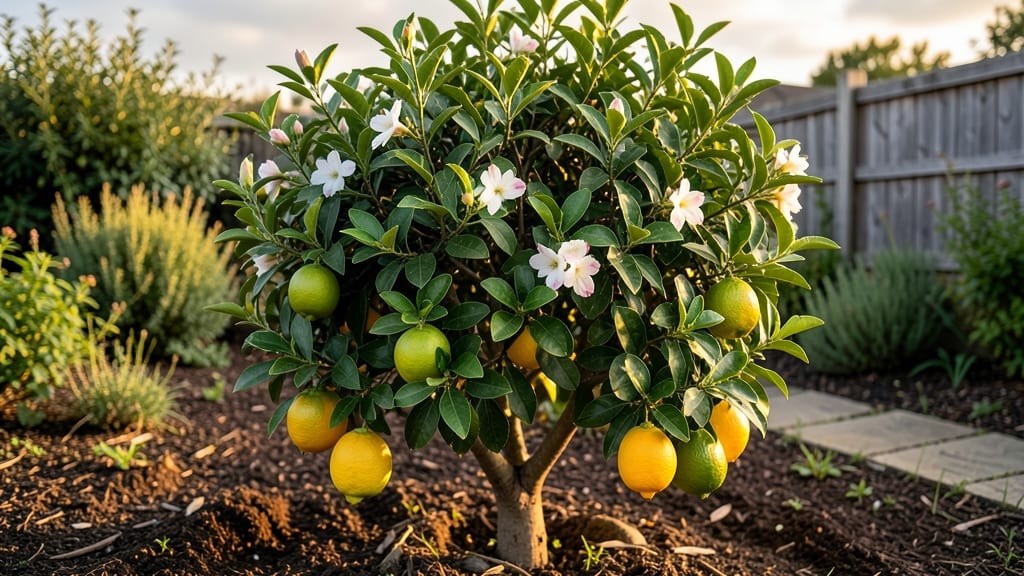
Growing a lemon grapefruit hybrid means your backyard could produce fruit with a flavor so complex it'll make your neighbors jealous. 🌱 I've grown these citrus crossbreeds for years, and the first time I tasted one fresh off the tree—half tart, half sweet, with a hint of floral notes—I was hooked.
These aren't your average grapefruits; they're a bold experiment in flavor that rewards patience with something truly special.
The key to success starts with the right conditions: full sun (at least 6-8 hours daily), well-draining soil with a slightly acidic pH (6.0-7.0), and protection from frost—these plants bolt at the first hint of cold.
Container growing works too, but choose a pot at least 24 inches wide with drainage holes, and keep it near your warmest wall. Watering is the trickiest part: too much and roots rot, too little and the fruit turns bitter.
Aim for deep watering once a week, adjusting for heatwaves.
You'll harvest your first fruit in 3-5 years (yes, citrus takes time), but the payoff is worth it. Imagine slicing into a fruit that's juicier than a lemon but with the depth of a grapefruit—plus, the rind is thinner, making it perfect for zesting too. The secret to bigger yields?
Prune in late winter to shape the tree and remove dead growth, then feed with a balanced citrus fertilizer every 6-8 weeks during growing season. Pests like aphids love these trees, so keep an eye out for sticky leaves and blast them off with water.
Propagation is where things get interesting: growing from seed gives you surprises (some may never fruit), while grafting ensures you get a true lemon grapefruit. If you're starting from seed, expect 2-3 years before flowering—patience is key.
For containers, overwinter indoors near a sunny window, and bring back outside after the last frost. With the right care, your tree could live for decades, producing fruit that'll have everyone asking for your recipe—though the real magic is in the growing.
📚 In This Guide
- What you need
- Instructions
- Tips and common mistakes
- Wrapping up and next steps
What you need
- ● Lemon grapefruit hybrid seeds or grafted tree: 1-2 (ensure they’re disease-free and from a reputable source).
- ● Well-draining citrus soil mix: 5-10 gallons (amend with perlite or sand for aeration).
- ● 5-gallon pot or larger (minimum 12" diameter): 1 (or a raised bed if planting outdoors).
- ● Citrus fertilizer (balanced NPK 6-6-6 or organic option): 1 bag (follow label for dosage).
- ○ Slow-release fertilizer pellets: 1 cup (optional but helpful for steady growth).
- ● Trowel or small shovel: 1 (for planting).
- ● Watering can with a fine rose (or drip irrigation kit): 1 (citrus hates soggy roots!).
- ● pH test kit: 1 (ideal soil pH: 5.5–6.5).
- ● Pruning shears (sterilized): 1 (for shaping and maintenance).
- ● Mulch (straw or wood chips): 2–3 inches (to retain moisture).
- ○ Spray bottle (for humidity control): 1 (optional, for seedlings).
- ● Warm climate (USDA Zones 9–11) or indoor grow lights: Citrus thrives in full sun (6+ hours/day) and 60–85°F temps.
- ● Patience: Grafted trees may take 2–5 years to bear fruit; seeds can take 5–10 years!
- ● Pest control plan: Keep aphids (your keyword!) and citrus leaf miners at bay with neem oil or insecticidal soap.
Step-by-Step guide to growing a lemon grapefruit hybrid tree
Here's how to cultivate this vibrant citrus crossbreed with sweet-tart fruits—no green thumb required.
🌱 Step 1: Select and Prepare Your Tree
Start with a lemon grapefruit hybrid grafted tree (available from specialty citrus nurseries). These hybrids combine the best of both worlds—bright yellow fruit with grapefruit's tangy depth. Choose a 4-5 gallon container for your first tree, ensuring it has drainage holes to prevent root rot.
Fill the pot with a well-draining citrus potting mix (avoid garden soil—it compacts and suffocates roots). I like to mix 60% potting soil, 30% perlite, and 10% compost for the perfect balance. Tap the pot gently to settle the soil, then water thoroughly until it drains from the bottom. Your tree will need strong roots first, so don’t skip this step.
☀️ Step 2: Position for Maximum Sunlight
Lemon grapefruit hybrids crave full sun—at least 8 hours daily. Place your tree near a south-facing window or under grow lights if indoors. If outdoors, a protected patio or balcony works well, but shield it from harsh winds that can stress young trees.
Watch for leaf color changes—deep green leaves mean it’s happy, while yellowing suggests too much shade. In winter, if temps drop below 40°F, move your tree indoors near a sunny window. This hybrid is semi-hardy but won’t tolerate frost.
💧 Step 3: Water and Fertilize for Sweet Fruit
Water your tree deeply once a week, letting the top 2 inches of soil dry out between waterings. Overwatering is the #1 killer—soggy roots lead to root rot, and you’ll know it’s time to water when the soil feels light and dry to the touch.
Feed every 4-6 weeks with a citrus-specific fertilizer (high in nitrogen early on, then switch to a balanced 6-6-6 formula as it matures). You’ll see new growth within weeks—this is your sign the tree is thriving. Stop fertilizing in late summer to encourage flowering.
✂️ Step 4: Prune and Encourage Fruit Set
Prune in late winter or early spring before new growth begins. Remove any dead, crossing, or inward-growing branches to improve airflow and sunlight penetration. This hybrid produces sweet-sour fruit, so pruning also helps direct energy toward fruit development rather than excessive foliage.
To boost flowering, give your tree a light trim after harvest to stimulate new growth. Watch for tiny white blossoms in spring—these will turn into your bold-flavored fruit. If your tree isn’t flowering, it may need more sunlight or a rest period (simulate winter with cooler temps and less water in late fall).
🍊 Step 5: Harvest and Enjoy Your Hybrid Fruit
Your lemon grapefruit hybrid will bear fruit in 2-3 years if cared for properly. Harvest when the fruit feels heavy for its size and the skin turns a bright, even yellow. Gently twist to detach—if it resists, it’s not ripe yet.
Store at room temperature for a few days to sweeten further, or refrigerate for up to 2 weeks. The flavor is a bold mix of citrusy sweetness and grapefruit’s tang—perfect for juicing, salads, or eating fresh. Save seeds to propagate new trees if you love the taste!
Tips & tricks for perfect lemon grapefruit hybrid growth
These simple strategies will help your citrus crossbreed thrive and produce bold, flavorful fruit.
Soil Mix Matters: The 60-30-10 soil mix ratio in Step 1 is key—citrus trees hate soggy roots. If you can't find pre-mixed citrus soil, add extra perlite (up to 40%) if your climate stays damp. I've seen trees with poor drainage develop root rot within months, so always double-check those drainage holes in your container.
Sunlight Secret: That 8-hour daily sun requirement in Step 2 is non-negotiable for vibrant fruit. If your outdoor space gets afternoon shade, move the tree to a sunnier spot during those critical hours. For indoor growers, position under full-spectrum grow lights 12 inches away—regular LED bulbs won't cut it. I've seen trees with insufficient light produce pale, flavorless fruit.
Watering Wisdom: The "light and dry to the touch" test in Step 3 is your best friend. Stick your finger 2 inches into the soil—if it feels damp, wait another day. I learned this the hard way after losing two trees to overwatering. In winter, reduce watering to every 10-14 days since growth slows dramatically.
Pruning Pro Tip: When pruning in Step 4, cut branches at a 45-degree angle just above an outward-facing bud. This encourages better regrowth and fruit production. I always sterilize my pruners with rubbing alcohol between cuts to prevent disease spread—this hybrid is particularly susceptible to fungal infections.
Pro Tips for Lemon Grapefruit Hybrid
- These simple strategies will help your citrus crossbreed thrive and produce bold, flavorful fruit.
- Soil Mix Matters: The 60-30-10 soil mix ratio in Step 1 is key—citrus trees hate soggy roots.
- Sunlight Secret: That 8-hour daily sun requirement in Step 2 is non-negotiable for vibrant fruit.
Frequently asked questions
Got questions about growing or enjoying your lemon grapefruit hybrid? You're not alone! Here are some of the most common queries—and their answers—to help you navigate this tangy adventure like a pro.
How long does it take for a lemon grapefruit hybrid tree to bear fruit?
A lemon grapefruit hybrid typically takes 3 to 5 years to produce fruit, depending on climate, care, and variety. Patience is key—young trees focus on root and branch growth first! If yours is struggling, check for proper sunlight (6+ hours/day) and well-draining soil.
Can I grow a lemon grapefruit hybrid in a pot, or does it need a garden?
Yes! This hybrid thrives in large containers (15+ gallons) with drainage holes. Use a mix of potting soil and perlite, and place it in a sunny spot (balcony, patio, or greenhouse). Just repot every 2–3 years and fertilize monthly during growing seasons. Warning: Potted trees may need winter protection in cold climates.
Why are my lemon grapefruit hybrid leaves turning yellow or dropping?
Yellow leaves often signal overwatering, nutrient deficiency, or pests. Check the soil—it should be slightly dry between waterings. Test for aphids or mites (use neem oil if found). For yellowing edges, boost iron/magnesium with a citrus-specific fertilizer. Pro tip: Mulch to retain moisture without soggy roots!
How do I know when a lemon grapefruit hybrid is ripe for picking?
Ripe hybrids are deep yellow-orange (not green!) with a slight give when gently squeezed. The skin should smell sweet-tart, not sour. Wait until fall/winter for peak flavor—these fruits ripen off the tree, so pick them firm and let them sit at room temp for 1–2 weeks. Bonus: Unripe hybrids make great marmalade!
What’s the best alternative if I can’t grow a lemon grapefruit hybrid?
Try these similar citrus hybrids for bold flavor:
- Citrange (Citrus × aurantium × Poncirus) – Cold-hardy, tangy, and great for sauces.
- Meyer lemon – Sweeter, easier to grow, and perfect for baking.
- Grapefruit (Ruby Red or Oroblanco) – Classic tang with less acidity.
Wrapping up and next steps
Growing your own lemon grapefruit hybrid is a rewarding adventure that brings bold, tangy-sweet flavors right to your backyard! With the right soil, sunlight, and care, you’ll soon enjoy homegrown citrus that’s as unique as it is delicious.
Whether you’re a seasoned gardener or just starting out, this crossbreed offers a fun challenge and a tasty payoff.
Ready to take the next step? Start by planting your sapling or grafting a branch—then watch your citrus tree thrive! Share your progress with fellow gardeners or experiment with recipes featuring your homegrown hybrid. 🌱✨