
Advice
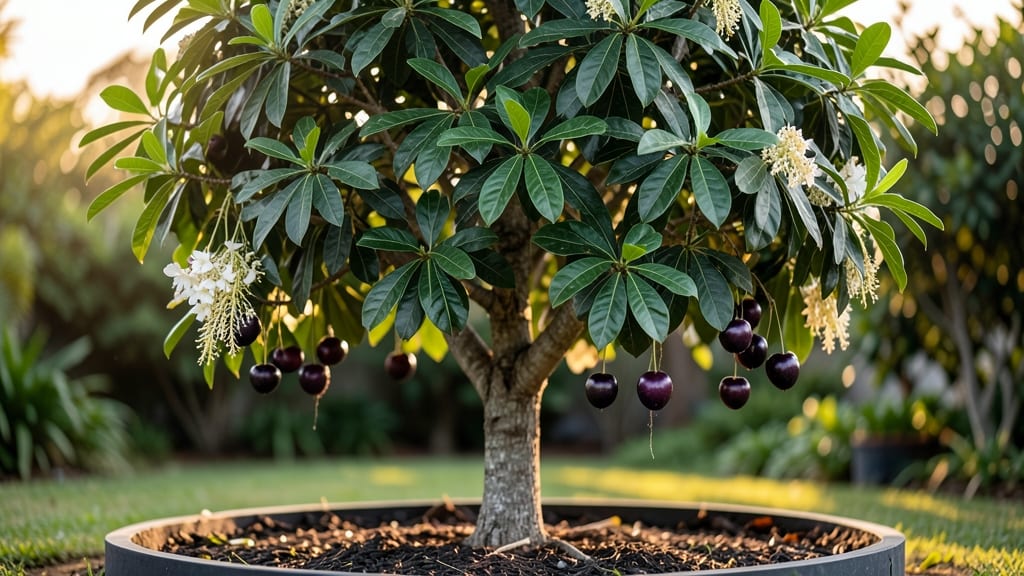
Finding jamun fruit in the USA means checking Indian/Pakistani specialty stores, Whole Foods, or online shops like Amazon and Azura. Fresh varieties arrive in summer from California and Florida, while dried jamun stays available year-round. Always pick deep purple, firm berries for peak quality.
Finding fresh jamun fruit in the USA can be tricky since it's not grown domestically, but specialty stores and online retailers make it accessible. 🌿 The deep purple color signals ripeness, while firmness ensures sweetness—avoid any berries with soft spots or mold.
Summer is prime time for fresh imports, but dried versions offer convenience without sacrificing flavor. I recommend checking labels for organic certifications if you prefer pesticide-free options.
For the best experience, pair fresh jamun with yogurt or use it in desserts like gulab jamun. Dried jamun works well in teas or as a natural sweetener. Always store fresh berries in the fridge to preserve their texture and taste.
💡 In This Article
- How to Identify High-Quality Jamun Fruit
- Best Stores and Online Retailers for Jamun in the USA
How to identify high-quality jamun fruit
The deep purple hue of jamun fruit isn't just visually striking—it's a direct indicator of ripeness and sweetness. This color comes from anthocyanins, the same pigments found in blueberries and eggplants, which develop as the fruit matures.
When selecting jamun, look for berries with a rich, almost black-purple color rather than lighter purple or greenish tones, which suggest underripe fruit. The skin should also feel smooth and slightly waxy to the touch, a natural protective layer that preserves moisture and flavor.
Texture is equally important. A high-quality jamun should feel firm yet slightly yielding when gently squeezed—like a ripe avocado. Soft spots or mushiness indicate overripeness, while overly hard berries may still be unripe.
The weight also matters: fresh jamun should feel surprisingly heavy for its size, signaling high moisture content and juiciness. 💜 For comparison, think of it like choosing plums: you want the ones that feel dense and full in your hand.
Seasonal variations significantly impact quality. Summer-harvested jamun from California or Florida typically has a sweeter, more aromatic profile due to optimal growing conditions. These berries often have a slightly larger size (about 1.5-2 inches in diameter) and a more intense flavor.
In contrast, dried jamun loses some of its natural sweetness during processing but retains its antioxidant properties—look for plump, wrinkle-free pieces that haven't shriveled excessively.
Always check for freshness indicators. A fresh jamun should have no visible mold, cracks, or dried patches on its skin. The stem end should be intact, as damage here can lead to faster spoilage.
If buying dried jamun, ensure the packaging is sealed and free of moisture, which can cause clumping or mold growth. The aroma should be subtly sweet and floral when you open the package—if it smells stale or musty, it's best to avoid it.
One pro tip: Give fresh jamun a gentle sniff near the stem end. Ripe jamun releases a faint, sweet fragrance that's almost imperceptible but unmistakable to experienced buyers.
This scent comes from volatile compounds that develop as the fruit ripens, serving as a natural quality marker. 🌿 For those new to jamun, pairing it with yogurt or making jamun pulp (like in Indian desserts) helps highlight its unique flavor profile, which balances sweetness with a subtle astringency.