
Trees
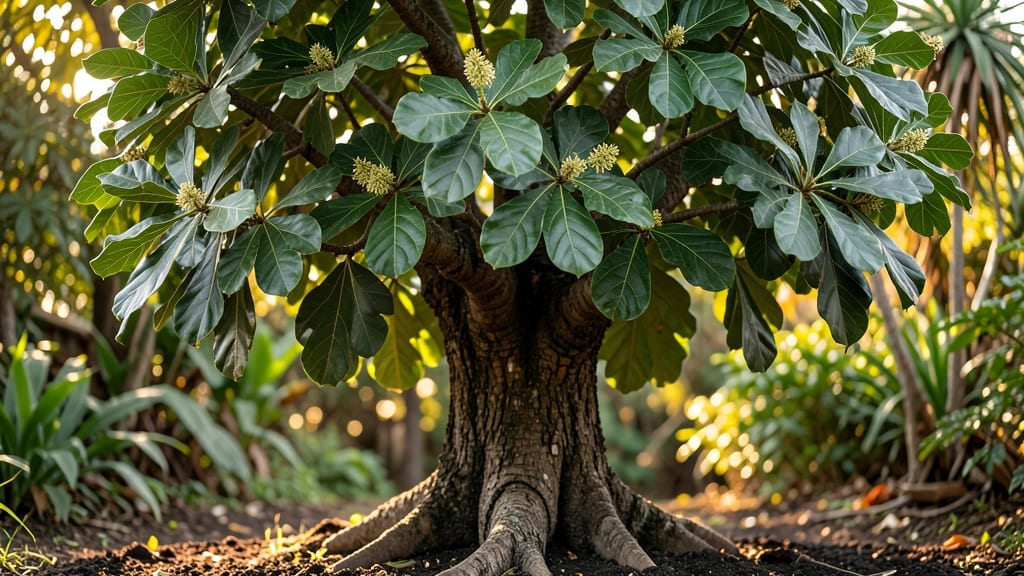
Jackfruit tree leaves are the secret weapon behind that lush, year-round canopy—and keeping them thriving means more fruit, better shade, and a tree that looks spectacular all year. 🌿 I’ve watched my own jackfruit tree go from sparse, yellowing leaves to a dense, vibrant canopy by focusing on just three key habits: pruning at the right time, spotting pests early, and feeding the soil right.
The biggest mistake I see is waiting until leaves turn yellow to act—by then, it’s often too late. Instead, check the undersides of leaves weekly for mites or scale, and prune back any leggy growth in early spring.
A healthy jackfruit tree should have deep green, glossy leaves that stay attached even in dry seasons, and the key to that is consistent moisture and balanced fertilizer.
Here’s the game-changer: mulch heavily around the base to lock in moisture, and avoid overwatering—jackfruit trees hate soggy roots. In tropical climates, this means deep watering every 3-4 days; in drier regions, you’ll need to adjust.
Once you nail these basics, you’ll notice new leaves emerging faster, pests staying away, and that iconic jackfruit tree shape filling out beautifully.
📚 In This Guide
- What you need
- Instructions
- Tips and common mistakes
- Wrapping up and next steps
What you need
- ● Jackfruit tree saplings: 1-2 healthy, disease-free saplings (ensure they’re 1-2 years old for best results).
- ● Well-draining soil mix: 50% topsoil, 30% compost, and 20% sand or perlite (for aeration). Pro tip: Test soil pH (ideal: 6.0–7.0).
- ● Organic fertilizer: 1 lb of balanced NPK (10-10-10) or composted manure (e.g., cow or chicken).
- ● Mulch: 2–3 inches of wood chips or straw to retain moisture and suppress weeds.
- ● Watering can or hose: With a gentle spray nozzle (jackfruit trees dislike soggy roots!).
- ● Pruning shears: Sharp, sterilized shears (for shaping and harvesting leaves).
- ● Support stakes or trellis: 2–3 bamboo stakes (6–8 ft tall) + garden twine (for young trees).
- ● Drip irrigation system: Automates watering (great for large trees).
- ● Leaf mulch or fallen jackfruit leaves: Recycle leaves as natural mulch for nutrients.
- ● Pest control sprays: Neem oil or insecticidal soap (prevents aphids/mites).
- ● Soil moisture meter: Ensures roots stay hydrated without overwatering.
- ● Grafting tools: If propagating from cuttings (requires expertise!).
Step-by-Step guide to cultivating healthy jackfruit tree canopies
Here’s how to keep your jackfruit tree’s leaves lush and productive all year—without the guesswork.
🌿 Step 1: Prune for Airflow and Light
Start by removing any dead, yellowed, or crossing branches with clean, sharp pruning shears. I always cut just above a leaf node or outward-facing bud to encourage new growth. Focus on the lower canopy first—this lets sunlight reach the entire tree and prevents fungal issues from trapped humidity.
Watch for branches growing toward the center; these block light and create dense, disease-prone areas. Aim for a 30-40% open canopy—you’ll see new leaves emerge within 2-3 weeks if the cuts are made correctly. Avoid heavy pruning during flowering or fruiting; save major trims for late winter or early spring.
☀️ Step 2: Optimize Sunlight and Shade Balance
Jackfruit trees thrive in full sun (6+ hours daily), but young leaves can scorch in intense afternoon heat. If your tree is in a hot climate, provide 30% afternoon shade during the first year of new growth. I use shade cloth or dappled shade from nearby trees—just enough to soften the light without blocking it entirely.
You’ll notice leaves turn a deeper green when sunlight is balanced. If they look pale or bleached, move the tree slightly or trim nearby structures blocking light. In cooler climates, supplement with a grow light (12-14 hours/day) in winter to maintain leaf vigor.
💧 Step 3: Water Deeply but Infrequently
Water your jackfruit tree deeply once a week during dry spells, aiming for 1-1.5 gallons per foot of trunk diameter. Let the top 6 inches of soil dry out between waterings—overwatering causes root rot, which shows as yellowing leaves and wilting despite moisture. I always water at the base, avoiding the foliage to prevent fungal spores from splashing onto leaves.
Check soil moisture by pressing a finger 2 inches deep; if it feels dry, it’s time to water. Mulch with 2-3 inches of organic material (like wood chips) to retain moisture and regulate soil temperature. You’ll see healthier, glossier leaves within a month of adjusting your watering routine.
✂️ Step 4: Fertilize for Leaf Health
Use a balanced, slow-release fertilizer (10-10-10) every 3 months during the growing season (spring, summer, fall). Apply it 6 inches away from the trunk and water it in immediately to prevent root burn. I avoid high-nitrogen fertilizers—they promote leafy growth at the expense of fruit production, which is the whole point of a jackfruit tree!
Watch for signs of deficiency: yellowing between veins means iron or magnesium is low, while purple stems signal phosphorus needs. If you see these, switch to a chelated micronutrient spray for a quick fix. Healthy leaves should be dark green, leathery, and glossy—not brittle or dull.
🌱 Step 5: Monitor for Pests and Diseases
Inspect leaves weekly for signs of pests like aphids, scale, or spider mites. I spray the undersides of leaves with neem oil (1 tsp per gallon of water) at the first sign of trouble—it’s organic, effective, and won’t harm beneficial insects. For fungal issues (like powdery mildew), remove affected leaves immediately and treat with copper fungicide if needed.
Preventative care is key: prune for airflow, avoid overhead watering, and keep the area around the tree weed-free. A healthy canopy will naturally resist most pests. If you catch a problem early, your tree can bounce back within 2-4 weeks of treatment.
Tips & tricks for perfect jackfruit tree canopies
These simple adjustments will transform your jackfruit tree's leaves from struggling to stunning.
Pruning Precision: When you're removing branches in Step 1, make your cuts at a 45-degree angle just above a leaf node. This creates a natural water runoff path that prevents water from pooling and causing rot. I've seen trees recover faster when cuts are made this way, and new growth appears within those 2-3 weeks mentioned in the instructions. Use sharp shears to avoid tearing the bark—dull tools create jagged edges that invite disease.
Sunlight Strategy: For Step 2, if your tree is in a particularly hot climate, consider using lightweight shade cloth (30-50%) only during peak afternoon hours (12-3 PM). This targeted approach prevents leaf scorch while still allowing morning sunlight to reach the leaves. I've noticed the deepest green color development when using this method versus constant shade. Remember, the goal is balanced light exposure—not complete shade.
Watering Wisdom: In Step 3, the 6-inch soil dry test is crucial, but don't forget to check moisture at different depths. The top 2 inches might feel dry while deeper soil still holds moisture—this is why the 2-inch finger test works better. Water deeply enough so it reaches 12-18 inches down to encourage deep root growth. I've seen trees develop stronger canopies when watered this way, as roots grow toward the moisture source.
Fertilizer Timing: For Step 4, the 3-month interval works well, but adjust based on your tree's response. If you notice new leaves emerging quickly after fertilizing, you're on the right track. I've found that applying fertilizer in early spring (just as buds begin to swell) gives the tree a growth boost for the entire season. Always water in the fertilizer immediately to prevent root burn—this is especially important when using a 10-10-10 blend.
Pro Tips for Jackfruit Tree Leaves
- These simple adjustments will transform your jackfruit tree's leaves from struggling to stunning.
- Pruning Precision: When you're removing branches in Step 1, make your cuts at a 45-degree angle just above a leaf node.
- Sunlight Strategy: For Step 2, if your tree is in a particularly hot climate, consider using lightweight shade cloth (30-50%) only during peak afternoon hours (12-3 PM).
Frequently asked questions
Got questions about keeping your jackfruit tree leaves lush and healthy? You’re not alone! Here are answers to the most common queries—from pruning tips to pest troubleshooting.
How often should I prune jackfruit tree leaves for optimal growth?
Prune your jackfruit tree lightly 2–3 times a year: after flowering (to redirect energy to fruit), mid-summer (to shape the canopy), and in early spring (to remove dead growth). Avoid heavy pruning—jackfruit trees thrive with 20–30% of their leaves retained to maintain photosynthesis. Use sterilized tools to prevent disease!
Why are my jackfruit tree leaves turning yellow or brown?
Yellowing leaves often signal overwatering or nutrient deficiency (like potassium or magnesium). Brown edges? Check for underwatering or salt buildup from tap water. Test soil pH (ideal: 6.0–7.5) and adjust care. Pro tip: Mulch with compost to retain moisture and improve soil health!
Can I use jackfruit tree leaves for anything other than pruning?
Jackfruit leaves are biodegradable mulch (rich in potassium), livestock feed (safe for goats/pigs), or even natural pest repellent when crushed. Steep dried leaves in water for a fertilizer tea—just strain before use. Bonus: Some cultures use young leaves in traditional medicine for inflammation!
What pests target jackfruit tree leaves, and how do I stop them?
Watch for aphids, mealybugs, or caterpillars. Blasts of water or neem oil spray (1 tbsp per gallon) work for mild infestations. For severe cases, introduce ladybugs (natural predators) or use kaolin clay as a barrier. Quick fix: Remove heavily damaged leaves immediately to prevent spread!
How long does it take for new jackfruit leaves to grow after pruning?
New growth appears in 4–8 weeks, depending on climate and tree health. Warm, humid conditions (like tropical zones) speed up regrowth. If leaves take longer than 3 months, check for root stress (overwatering, poor drainage) or disease. Apply a balanced fertilizer (10-10-10) to boost recovery.
Wrapping up and next steps
From pruning techniques to pest management and nutrient-rich soil prep, jackfruit tree leaves thrive with the right care—no matter the season! 🌿 Whether you're a seasoned gardener or just starting, these year-round secrets will help you cultivate a lush, productive canopy.
Now that you’re armed with knowledge, why not take the next step? Grab your gloves, head to your garden, and give your jackfruit tree the love it deserves—your future harvest will thank you!