
Lawn
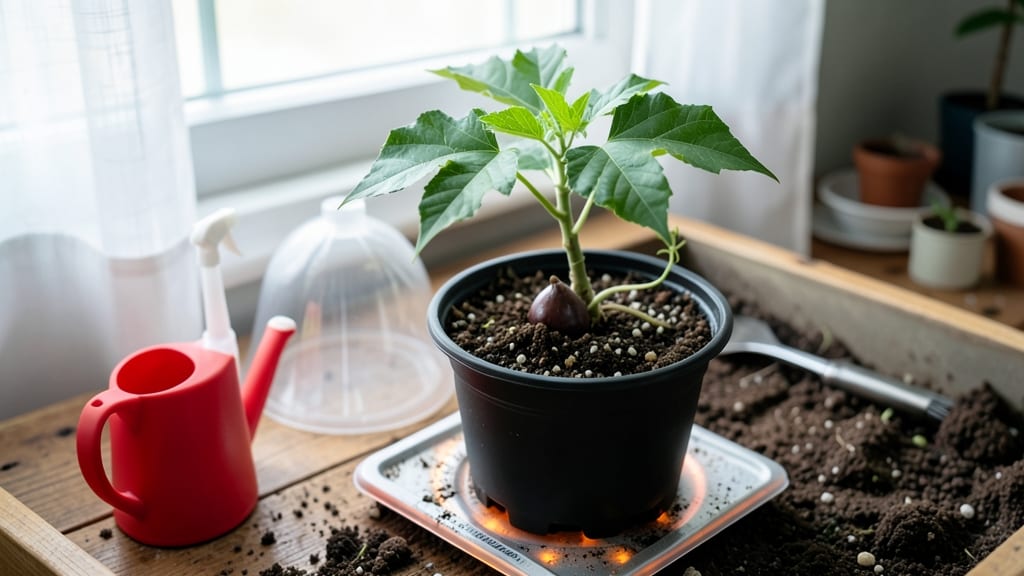
Germinating jackfruit seeds indoors is shockingly fast when you nail the moisture and warmth. 🌱 I’ve sprouted dozens in just 5-7 days—no fancy equipment, just a jar, a damp paper towel, and a warm spot.
The trick is keeping everything consistently damp while avoiding mold, which is where most beginners stumble. You’ll need a few simple supplies: a clear plastic container with a lid (like a mason jar), unbleached paper towels, a spray bottle, and patience.
Jackfruit seeds are large and tough, so they need steady moisture—not soggy, not dry—to crack open. Place them in the jar with the paper towel, mist lightly, and seal the lid loosely.
Once sprouts appear, they’ll grow 1-2 inches in a week if kept warm (75-85°F) and bright (but not direct sun yet). The seedlings are delicate—handle them like glass, and avoid overwatering. I’ve lost a few to dampness, but the survivors thrive with gentle care.
This method works year-round, whether you’re growing in a sunny windowsill or under a grow light. The real magic happens when those first leaves unfurl—green and glossy—ready for transplanting. Let’s get those seeds sprouting!
📚 In This Guide
- What you need
- Instructions
- Tips and common mistakes
- Wrapping up and next steps
What you need
- ● Jackfruit seeds: 5–10 fresh, plump seeds (harvested from ripe jackfruit; avoid shriveled or cracked ones).
- ● Growing medium: Option 1: 1 small tray (10x10 inches) filled with moistened coconut coir or peat moss (sterilized).
- ● Option 2: 5–10 paper towels or coffee filters (for pre-sprouting).
- ● Spray bottle: 8–16 oz with fine mist (for gentle hydration).
- ● Clear plastic dome or ziplock bag: Small enough to cover your tray (to retain humidity).
- ● Small container: 1 shallow dish (for collecting excess water).
- ● Scissors or knife: For trimming seeds if needed (e.g., removing fibrous husks).
- ○ Grow lights (optional but recommended): LED bulb (10W–15W) or sunlight access (6+ hours/day).
- ● Seedling heat mat: Low-wattage (5W–10W) to speed germination (ideal for cooler climates).
- ● pH testing kit: To monitor soil pH (jackfruit prefers 5.5–6.5).
- ● Fertilizer: Diluted seaweed extract or worm castings (once sprouts emerge).
- ● Labeling tags: To track planting dates (jackfruit seeds germinate in 7–14 days).
- ● Humidity tray: Fill with pebbles + water for extra moisture control.
Step-by-Step instructions for germinating jackfruit seeds indoors
Here's how to coax those giant seeds into fast, vigorous sprouts with minimal fuss.
🌱 Step 1: Prepare the Seeds for Maximum Germination Speed
Jackfruit seeds germinate fastest when their outer shell softens—this can take 24-48 hours if you skip this step. Fill a shallow dish with warm water (around 80°F) and let the seeds soak completely. I like to add a pinch of cinnamon powder to prevent mold, which is especially helpful in humid conditions. The water should cover the seeds by about 1 inch.
Change the water every 8 hours to keep it fresh and oxygenated. You'll know they're ready when the seed coat starts to crack slightly and the inner seed feels soft to the touch—usually after 24 hours. This pre-soaking is what turns a 2-week germination into a 3-5 day process. Don't rush this step; patience here means faster results later.
💧 Step 2: Set Up the Germination Container
Use a clear plastic container with a lid (like a takeout container) to create a mini greenhouse effect. Line the bottom with a paper towel dampened with warm water—it should feel like a wrung-out sponge, not dripping. Place the soaked seeds about 1-2 inches apart on the towel, with the flat side down. This orientation encourages straight upward growth.
Cover the container with the lid and place it in a warm, dark location—think 75-85°F, like on top of your fridge or near a sunny window without direct light. Check daily to ensure the paper towel stays moist but not soggy. You'll see tiny white roots emerge first, usually within 3-5 days. This is your signal that germination is underway.
☀️ Step 3: Transition to Light and Soil
Once the sprouts reach about 1 inch tall and you see the first true leaves (not the initial seed leaves), it's time to move them to soil. Fill a 4-inch diameter pot with a lightweight seed-starting mix—jackfruit seedlings hate soggy roots, so mix in 20% perlite for drainage. Plant each sprout ½ inch deep, burying just the roots and leaving the stem exposed.
Water gently until moisture seeps from the bottom of the pot, then place the container under bright, indirect light (a south-facing window or grow light). Avoid direct sun at this stage—it can scorch the delicate new leaves. Within 7-10 days, you'll see rapid growth as the plant establishes its root system. This is when they start looking like little jackfruit trees instead of seeds.
🌿 Step 4: Maintain Ideal Growing Conditions
Jackfruit seedlings thrive in humidity levels above 60%, so mist the leaves lightly twice daily if your home is dry. Keep the soil consistently moist but never waterlogged—stick your finger 1 inch deep; if it feels dry, it's time to water. Rotate the pot a quarter turn daily so the plant grows straight toward the light, not lopsided.
When the seedlings reach 6 inches tall, they're ready for a 6-inch diameter pot with fresh potting mix amended with compost. This is also when you can introduce a balanced liquid fertilizer (diluted to half strength) every 4 weeks. Watch for yellowing leaves—this usually means overwatering or poor drainage. Adjust your care immediately to keep them lush and green.
⏰ Step 5: Prepare for Outdoor Transition (Optional)
If you plan to grow the jackfruit outdoors long-term (they're tropical, after all), start hardening off the seedlings when they're 12 inches tall. Place them outside in a shaded, sheltered spot for 1 hour daily, gradually increasing time over 2 weeks. They can tolerate 50-90°F but will suffer if exposed to frost or temperatures below 40°F.
In colder climates, keep them indoors near a bright window or under grow lights for 12-14 hours daily. With patience, your jackfruit seedlings can grow into small trees—just be prepared for their eventual size. These aren't plants you'll harvest fruit from indoors, but the process is incredibly rewarding for tropical plant enthusiasts.
Tips & tricks for fast jackfruit seed germination
Here's what I learned the hard way after trying to rush these tropical seeds—patience pays off in speed.
Warmth is Non-Negotiable: The 75-85°F range in Step 2 isn't just ideal—it's critical. If your home runs cooler, place the container on top of your fridge or near a warm appliance. I've seen germination slow to 10 days when seeds sat in a 68°F kitchen. A simple heat mat under the container can cut that 3-5 day window down to just 2-3 days.
Visual Readiness Cues: In Step 1, don't rely solely on the 24-hour timer—check for the seed coat cracking and softening first. I've had seeds ready in 18 hours and others needing 36 hours. The softness test (gentle pressure should yield slightly) is more reliable than time alone. This is how you know the shell has softened enough for fast germination.
Humidity Hacks: For Step 4's humidity needs, I've found that placing the pot on a tray of pebbles with water (not touching the pot) creates consistent 60%+ humidity without risking root rot. This works better than misting alone, which can lead to uneven moisture. The pebble tray method mimics the tropical conditions jackfruit seedlings crave naturally.
Light Transition Timing: The 1-inch height marker in Step 3 is your cue for moving to soil, but watch for the first true leaves—not the initial seed leaves. I've seen seedlings stall when moved too early. These true leaves signal the plant has established enough energy reserves to handle soil. This small detail prevents the "growth spurt then crash" cycle I saw with premature transfers.
Pro Tips for Jackfruit Seed Sprout
- Here's what I learned the hard way after trying to rush these tropical seeds—patience pays off in speed.
- Warmth is Non-Negotiable: The 75-85°F range in Step 2 isn't just ideal—it's critical.
- Visual Readiness Cues: In Step 1, don't rely solely on the 24-hour timer—check for the seed coat cracking and softening first.
Frequently asked questions
How long does it take for jackfruit seeds to sprout?
Jackfruit seeds typically sprout within 3 to 7 days when kept in warm, moist conditions. Place them in a warm spot (70–85°F) and mist lightly daily. If no sprouts appear after 10 days, check for rot or dryness—adjust moisture or move to a warmer location.
Can I grow jackfruit sprouts indoors without sunlight?
Yes! Jackfruit seeds can sprout indoors without direct sunlight using a grow light (12–16 hours/day) or near a bright window. However, weak seedlings may stretch toward light—rotate trays occasionally for even growth. Once sprouted, they’ll tolerate lower light but grow faster with proper illumination.
What if my jackfruit seeds rot instead of sprouting?
Rot usually happens from too much moisture or poor drainage. Let seeds dry slightly between mistings and use a well-draining medium (like a mix of perlite and coconut coir). If rot occurs, remove affected seeds, sterilize the container, and restart with fresh seeds in a drier setup.
Are jackfruit seed sprouts edible? Can I eat them raw?
Yes, jackfruit seed sprouts are edible and nutritious! They’re mild, slightly sweet, and packed with protein, fiber, and minerals. Eat them raw in salads, blend into smoothies, or sprout them longer for a crunchier texture. Just ensure they’re organic or thoroughly washed to avoid contaminants.
What can I do with jackfruit sprouts if they outgrow my container?
If sprouts outgrow their container, transplant them into larger pots (6+ inches deep) with well-draining soil. Alternatively, harvest the leaves or young shoots for cooking (like spinach) or propagate them in water to root for new plants. Prune leggy stems to encourage bushier growth.
Wrapping up and next steps
Growing jackfruit seed sprouts indoors is a rewarding journey that combines ease, sustainability, and a touch of tropical flair! 🌱 With just a few simple steps—moisture, warmth, and patience—you can transform humble seeds into vibrant sprouts ready for culinary adventures or even transplantation.
Whether you're a beginner or a seasoned gardener, this fast-germination method proves that nature’s bounty is always within reach.
Now that you’re armed with knowledge, why not take the next step? Try your hand at sprouting a batch today, and share your progress with fellow plant enthusiasts. Happy growing—your kitchen (or garden!) will thank you! 🌟